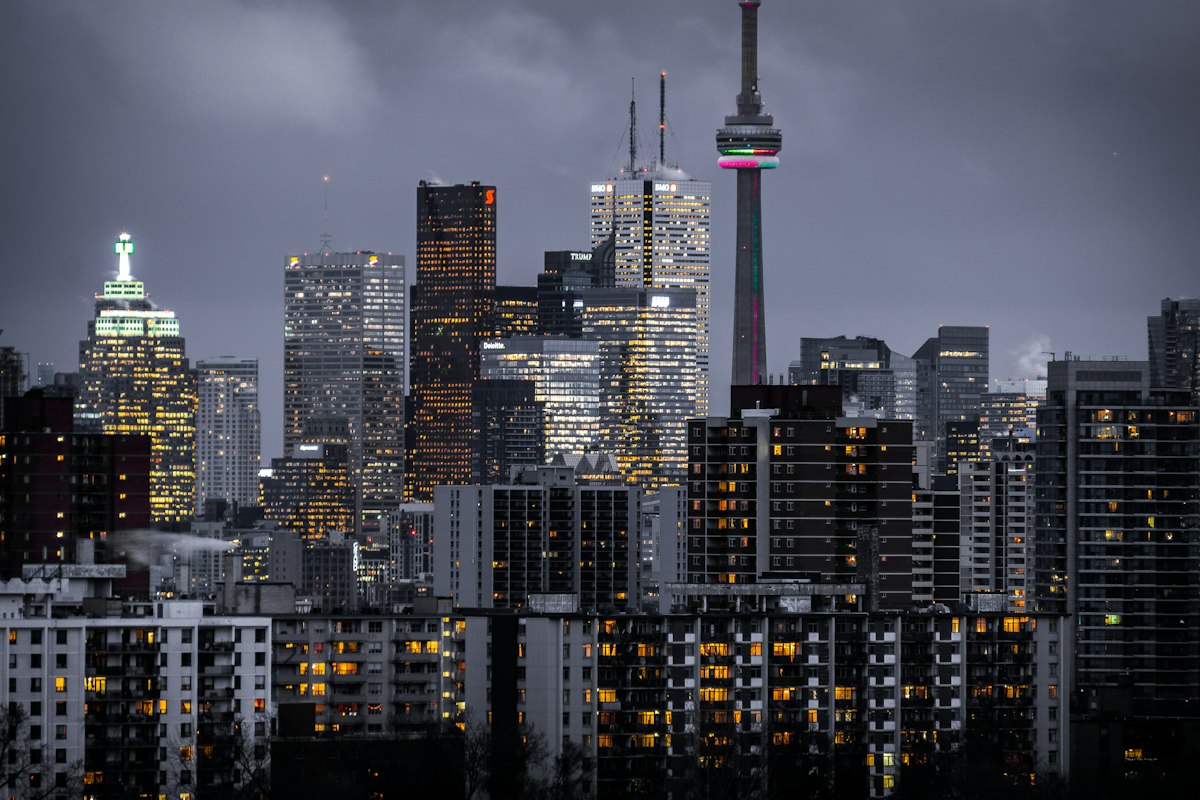
On a tight city-centre plot, the standard daylight figures in BRE BR 209 are sometimes impossible to hit — not because the design is poor, but because the surrounding townscape is already tall and dense. Appendix F of BR 209 (2022) exists precisely for this situation: it sets out a logical method for adopting alternative daylight target values without abandoning the British Standard or inviting a planning refusal.
This guide explains what Appendix F actually says, how a surveyor derives a bespoke target, and — crucially — how to present that target so a local planning authority accepts it rather than treats it as special pleading.
Why standard BRE targets do not always fit
BR 209's headline numbers — 27% Vertical Sky Component (VSC) for a "good" result, and the rule that a window retaining at least 0.8 times its former value is unlikely to be noticed — were calibrated against a fairly open, suburban context. They work well where new development sits among two- and three-storey neighbours. They strain in a historic high street, and they can become unachievable in a cluster of modern towers.
The BRE is explicit that its figures are advice, not regulation. The guide states that the numerical targets "may be varied to meet the needs of the development and its location." In a dense quarter, a higher degree of obstruction may simply be unavoidable if a new building is to match the height and proportions of what already stands around it. Insisting on a 27% VSC in that setting would freeze legitimate, plan-compliant development — which is not what the guidance intends. If you need a refresher on the metrics themselves, see our explainer on VSC, NSL and APSH.
What Appendix F actually does
Appendix F gives a structured way to develop a consistent set of alternative target values for skylight, while staying aligned with the interior-daylighting recommendations in BS EN 17037. The key word is consistent. You are not lowering the bar arbitrarily; you are recalibrating it to the realistic baseline of the site's context, and applying that recalibrated bar evenly across every affected window.
In practice the method draws on the flexible calculation routines in Appendices A, B and G of the guide. A surveyor characterises the existing obstruction — the actual angle and density of surrounding buildings — and derives target figures that a well-designed scheme in that specific context could reasonably be expected to meet. The result is a performance-based benchmark rooted in the real townscape, rather than a one-size-fits-all number imported from a suburban model.
The 'mirror-image' or notional-massing approach
A common technique sitting behind an Appendix F justification is to test the proposal against a notional compliant scheme — sometimes called a mirror-image or massing-equivalent model. The question becomes: what daylight would a sensitively designed building of the height and footprint the local plan actually anticipates here deliver to its neighbours? If the proposed scheme matches or betters that notional baseline, it is performing as well as the planning context allows, even where the raw VSC sits below 27%.
This reframes the debate. Instead of "the scheme fails the BRE target," the conversation becomes "the scheme meets the daylight standard appropriate to a site of this density." That is a far stronger position at committee, and it is exactly the reasoning Appendix F is designed to support.
Keeping the British Standard in view
Appendix F is not a licence to ignore interior daylight. The whole point is to retain consistency with BS EN 17037, which sets recommendations for the daylight people actually receive inside rooms — expressed through target illuminance and the proportion of the year it is met. A robust alternative-target case will usually pair the external skylight recalibration with an interior assessment, demonstrating that habitable rooms still achieve acceptable internal conditions. Our note on the BRE 2022 daylight provision tests covers that interior side in more detail.
Get this balance wrong and an alternative target looks like a number invented to make a problem disappear. Get it right and it reads as a reasoned, standards-based judgement — which is what officers and inspectors are looking for.
How to present an Appendix F case to planners
The technical derivation matters, but presentation decides outcomes. A persuasive alternative-target report tends to do five things:
- Anchor in policy. Cite the relevant national framework and the local plan's own amenity and design policies. In England the NPPF expects good standards of amenity while also supporting efficient use of land — the two pull in opposite directions on a dense site, and Appendix F is how you reconcile them.
- Show the baseline. Quantify the existing obstruction so the recalibrated target is visibly derived from the real context, not chosen for convenience.
- Apply the target evenly. Use the same alternative benchmark for every affected window, and report results transparently — including any that still fall short.
- Pair external and internal evidence. Support the skylight case with a BS EN 17037 interior check wherever room layouts allow.
- Be candid about trade-offs. Where amenity is genuinely reduced, say so and weigh it against the planning benefits, rather than claiming a flawless result.
Authorities in the densest boroughs are already familiar with this reasoning; many London planning teams expect a context-based justification on constrained sites rather than a bare pass/fail table.
Common mistakes to avoid
Three errors undermine otherwise sound Appendix F cases. First, treating it as a way to lower targets generally — it is not; it is a way to set appropriate targets for a defined context. Second, omitting the interior daylight evidence, which leaves the case resting on external numbers alone. Third, failing to compare against a credible notional baseline, so officers cannot tell whether the scheme is genuinely performing well or simply being graded on a curve. A well-built report closes all three gaps before submission.
How Fortress Associates can help
If your scheme sits on a constrained urban site and the standard BRE figures look out of reach, we prepare daylight and sunlight reports that build a properly reasoned Appendix F case — baseline obstruction analysis, alternative target derivation, and a BS EN 17037 interior check, all framed against your local plan. Reports are typically delivered in 4–5 working days with no advance payment, and we work for clients across the UK. To talk through a specific site, see our services or get in touch.
Sources & further reading
Need help with a UK planning project?
Fixed-fee daylight reports and Building Regulations drawings — delivered in 4–5 working days. No advance payment.
Request a free quote