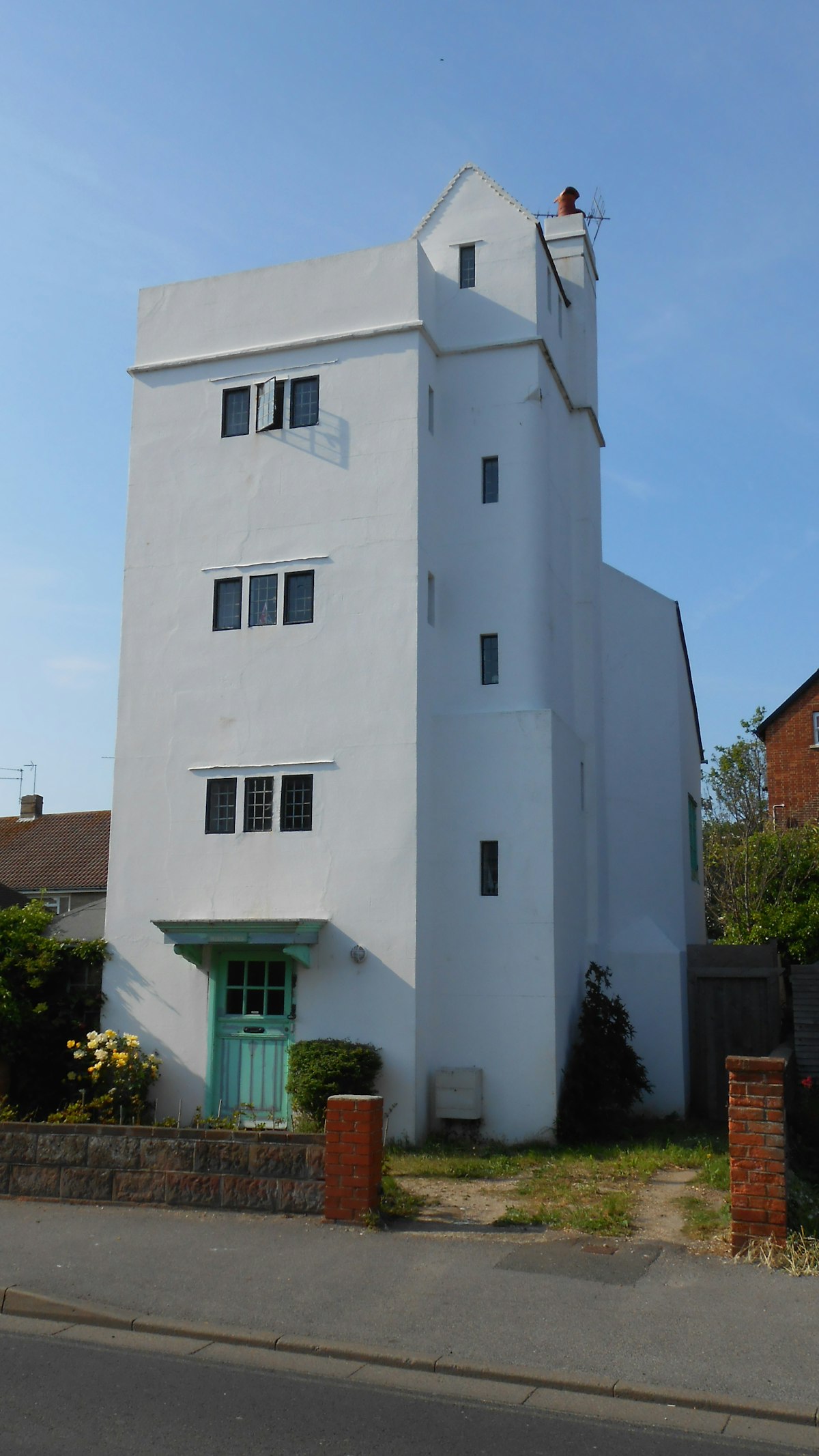
If you are planning an extension or a new home in Bognor Regis, Littlehampton or one of the villages along the coast, understanding the daylight requirements in Arun will help your planning application run smoothly. Arun District Council is the local planning authority (LPA) for this part of West Sussex - the county council is not the planning authority - and it judges the daylight and sunlight effects of development against its adopted Local Plan and recognised national guidance. This guide explains the policies, the council's approach, and when a daylight and sunlight report is worthwhile.
Daylight requirements in Arun: the policy framework
Arun's statutory development plan is the Arun Local Plan 2011-2031, adopted by Full Council on 18 July 2018. Its design chapter contains the policies that planning officers use to assess the impact of development on the light and amenity of neighbouring homes.
The key design policies are:
- Policy D SP1 (Design) - the strategic design policy requiring good design throughout the district;
- Policy D DM1 (Aspects of form and design quality) - the detailed design-management policy; and
- Policy D DM4 (Extensions and alterations to existing buildings, residential and non-residential) - the policy most relevant to householder schemes.
Policy D DM1 lists the aspects the council weighs when considering an application. Under the heading "Impact", it asks that development:
"Have minimal impact to users and occupiers of nearby property and land. For example, by avoiding significant loss of sunlight, privacy and outlook and unacceptable noise and disturbance."
For extensions and alterations, Policy D DM4 is more specific, requiring that such works should "not lead to overlooking, overpowering or overshadowing of neighbouring properties" and should "ensure adequate natural light within the building, garden and amenity space." Between them, these policies make the loss of sunlight, overshadowing and the protection of adequate natural light explicit material considerations in Arun.
Is there a daylight and sunlight SPD in Arun?
Arun District Council does not publish a dedicated daylight and sunlight Supplementary Planning Document, and its Local Plan policies describe the issue in qualitative terms - "significant loss of sunlight", "overshadowing", "adequate natural light" - rather than setting numerical thresholds. Where a council's policy is framed this way, the established way to demonstrate whether an effect is acceptable is to apply the relevant national technical guidance.
That guidance is BRE BR 209 (2022) - Site Layout Planning for Daylight and Sunlight, used together with BS EN 17037 (Daylight in buildings). The National Planning Policy Framework (NPPF) reinforces this by requiring development to provide a high standard of amenity for existing and future users. So while Arun's policies do not name BRE BR 209 directly, a daylight and sunlight assessment that follows BRE methodology is the accepted means of showing compliance with Policies D DM1 and D DM4. Applicants should also check Arun's published validation requirements before submitting, since the council can ask for supporting information where amenity impacts are likely.
What a BRE assessment covers
- Vertical Sky Component (VSC) - skylight reaching a neighbour's window, benchmarked at 27%;
- Daylight distribution (No Sky Line) - how much of a room still sees the sky after development;
- Annual Probable Sunlight Hours (APSH) - sunlight to windows facing within 90 degrees of due south, including the winter total; and
- Overshadowing of gardens and amenity space - usually tested for sunlight on 21 March, which links directly to Policy D DM4's wording.
For new dwellings, internal daylight is assessed against the targets in BS EN 17037 and the supporting BRE guidance.
Local factors that matter in Arun
- Two coastal towns with different grain. Bognor Regis and Littlehampton both have dense seafront and town-centre areas where new flats and taller buildings sit close to existing homes. In these locations the impact on a neighbour's daylight, sunlight and outlook is frequently a decisive planning issue, and a supporting report is often expected.
- Coastal orientation and low-rise suburbs. Much of the district is made up of low-density bungalow and chalet-style housing, particularly in areas such as Aldwick, Felpham, Middleton-on-Sea and Rustington. Single and two-storey extensions on these tightly arranged plots can readily affect a neighbour's sunlight, which is exactly the situation Policy D DM4 is designed to control. The largely undeveloped coastline at the mouth of the River Arun around Climping is a reminder of how distinctive the district's built and open landscapes are.
When you are likely to need a daylight and sunlight report
- New flats or houses near existing residential windows in Bognor Regis or Littlehampton;
- Two-storey or rear extensions where a neighbour fears loss of light or overshadowing;
- Taller seafront or town-centre redevelopment; and
- Any scheme where the council, a neighbour or your planning consultant has asked for daylight/sunlight evidence to show compliance with Policies D DM1 and D DM4.
How Fortress Associates can help
Fortress Associates provides our daylight and sunlight report service to BRE BR 209 (2022) and BS EN 17037, set out so that Arun District Council officers can read the findings directly against Policies D DM1 and D DM4. We operate UK-wide with a 4-5 working day turnaround and no advance payment. We can also prepare Building Regulations drawings where a project requires them. To discuss your scheme, please get in touch.
Sources & further reading
Need help with a UK planning project?
Fixed-fee daylight reports and Building Regulations drawings — delivered in 4–5 working days. No advance payment.
Request a free quote