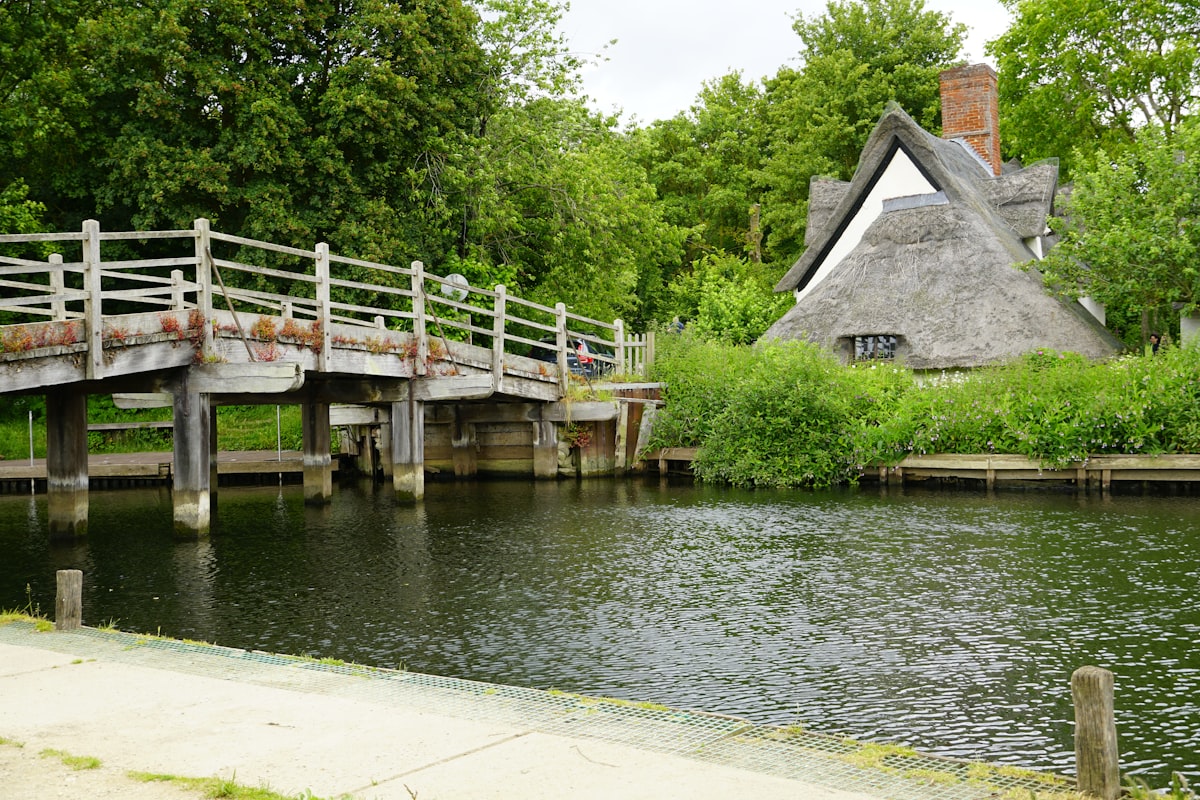
If you are planning a home extension, a new dwelling or a larger residential scheme in Sudbury, Hadleigh or one of Babergh's many villages, the daylight requirements in Babergh will be an important part of getting your proposal approved. Babergh is a largely rural district of south Suffolk, taking in the historic wool town of Sudbury — birthplace of the painter Thomas Gainsborough — and part of the Dedham Vale National Landscape, the famous 'Constable Country' along the River Stour. This guide sets out the local policy position and the technical standards used to assess daylight and sunlight.
The planning framework for daylight requirements in Babergh
The local planning authority for the area is Babergh District Council, a shire district. While Babergh lies within Suffolk, the county council is not the local planning authority for the day-to-day determination of planning applications, so it is the district's adopted policies that govern daylight, sunlight and amenity.
Babergh works in a long-standing partnership with neighbouring Mid Suffolk District Council, sharing planning services and a single development plan. The adopted plan is the Babergh and Mid Suffolk Joint Local Plan Part 1, adopted in November 2023 and covering the plan period to 2037. This joint document provides the policies against which applications in both districts are determined.
Policy LP24 and related policies
The central policy for daylight and sunlight is Policy LP24 (Design and Residential Amenity), which requires all new development to be of a high standard of design and to protect the character and amenity of the existing area. Protecting neighbouring occupiers from unacceptable loss of light, overlooking and overshadowing falls squarely within this amenity test. Several other adopted policies reinforce it:
- Policy LP23 (Sustainable Construction and Design) — promotes high-quality, sustainable design and recognises the role of orientation and landscaping in good development.
- Policy LP17 (Landscape) — seeks to preserve and enhance the character and setting of the landscape, which is particularly significant given the district's protected areas.
Applicants should also check the council's Local Validation Lists (one for householder applications and one for major and minor applications), which set out the supporting information required before an application can be validated.
Is there a dedicated daylight SPD in Babergh?
Babergh does not currently have a standalone daylight and sunlight Supplementary Planning Document setting bespoke numerical light targets. In the absence of a local daylight SPD, the established national methodology — BRE BR 209 (2022), BS EN 17037 and the National Planning Policy Framework (NPPF) — is applied through Policy LP24 of the adopted Joint Local Plan. Where overshadowing or loss of light is a material issue, the council will expect an assessment that reflects this recognised good-practice guidance.
How daylight and sunlight are technically assessed
The standard reference for these assessments is BRE BR 209, Site Layout Planning for Daylight and Sunlight: A Guide to Good Practice (2022 edition). A typical report considers:
- Vertical Sky Component (VSC) — skylight reaching neighbouring windows, with the familiar 27% benchmark and the 0.8-times rule for assessing reductions.
- No Sky Line / Daylight Distribution — the spread of daylight within affected rooms.
- Annual Probable Sunlight Hours (APSH) — sunlight to windows, particularly those facing within 90 degrees of due south.
- Overshadowing of gardens and amenity areas — using the BRE 21 March sun-on-ground test.
For the daylight and sunlight achieved inside new homes, BS EN 17037 (Daylight in Buildings) sets target illuminance levels. The NPPF requires decision-makers to secure a good standard of amenity while not applying daylight and sunlight guidelines so rigidly that they prevent the efficient use of suitable sites.
Why Babergh sites need careful assessment
The character of the district makes daylight a recurring consideration:
- Historic, tightly built town centres such as Sudbury and Hadleigh have narrow plots and close-set buildings, where even a modest extension can affect a neighbour's light or breach reasonable privacy distances.
- The southern part of the district lies within the Dedham Vale National Landscape (Constable Country), where sensitivity to massing, landscape setting and design quality is heightened under Policy LP17.
- Many proposals affect listed buildings and conservation areas, where the form and scale needed to respect heritage must be balanced against the daylight and sunlight of neighbouring properties.
How Fortress Associates can help
Fortress Associates prepares clear, robust daylight and sunlight assessments for sites across Babergh and the rest of the UK. Our our daylight and sunlight report service produces reports to BRE BR 209 (2022) and BS EN 17037, written to support your application under the Babergh and Mid Suffolk Joint Local Plan and Policy LP24. We work nationwide with a 4–5 working day turnaround and no advance payment required, and we can also produce Building Regulations drawings for your project. For advice on your scheme, please get in touch, or read our companion guide on daylight requirements in Ipswich.
Sources & further reading
Need help with a UK planning project?
Fixed-fee daylight reports and Building Regulations drawings — delivered in 4–5 working days. No advance payment.
Request a free quote