Daylight requirements in Blackburn with Darwen are set through the borough's Local Plan 2021–2037, which expects every new building, extension or conversion to safeguard the daylight, sunlight, privacy and outlook of surrounding homes. In short, a Blackburn with Darwen planning officer will judge a scheme on whether it secures a satisfactory level of amenity for neighbours and future occupiers, and where there is doubt they will look for a technical assessment to the recognised BRE method.
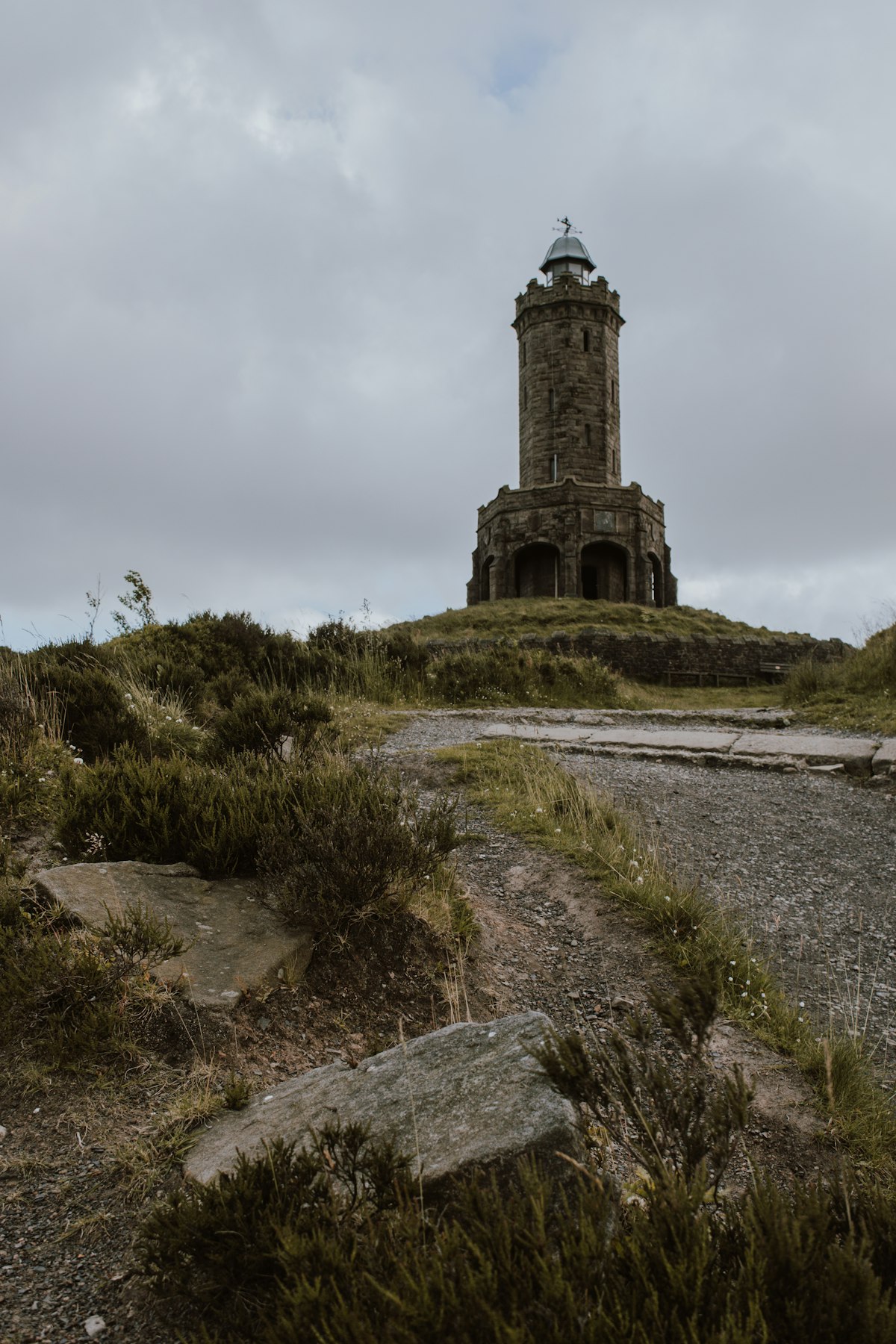
From a stone terrace below Darwen Tower to a mill conversion near Blackburn town centre, the same balance applies: development should make good use of land without robbing neighbours of light or overlooking their private space. This article sets out the borough-specific policy framework, the local guidance that backs it up and the points at which a professional report becomes worthwhile.
The policy basis for daylight requirements in Blackburn with Darwen
The statutory document is the Blackburn with Darwen Local Plan 2021–2037, adopted on 25 January 2024. It replaced the earlier Core Strategy (2011) and the Local Plan Part 2: Site Allocations and Development Management Policies (2015), and now forms the single development plan for the borough. Several of its policies bear directly on light and amenity:
- DM Policy 2 (DM02): Protecting Living and Working Environments – the core amenity test. Development is permitted where it secures a satisfactory level of amenity and safety for surrounding uses and for existing and future occupants, with explicit reference to light, privacy / overlooking and the relationship between buildings.
- DM Policy 27 (DM27): Design in New Developments – requires high quality, sustainable design measured against the ten characteristics of the National Design Guide, including "homes and buildings: functional, healthy and sustainable". This sits under Core Policy 8 (CP8): Securing High Quality and Inclusive Design.
- DM Policy 3 (DM03): Housing Mix, Standards and Densities – requires new dwellings to meet the nationally described space standards, which interact with daylight because well-lit, properly proportioned rooms are part of a healthy internal environment.
- DM Policy 10 (DM10): Residential Gardens and Boundaries – garden development is assessed for privacy, overlooking and amenity, and must be of an appropriate scale for the area.
Read together, these policies make clear that protecting daylight and sunlight is a material consideration in Blackburn with Darwen, even though DM02 expresses the test in terms of outcomes rather than a single numerical threshold.
Is there specific daylight guidance for the borough?
The Local Plan signals that the detail will sit in supporting guidance. The plan refers to a forthcoming Residential Amenity Planning Advisory Note, which will set out how the Council protects residential amenity through the planning process, and DM27 is supported by the Blackburn Character Study SPD, the Darwen Character Study SPD and a Residential Design Guide SPD. Until that amenity note is published, there is no single borough-specific numeric daylight standard, so the established national benchmarks fill the gap.
That benchmark is the Building Research Establishment guidance Site Layout Planning for Daylight and Sunlight: A Guide to Good Practice (BRE BR 209, 2022 edition), supported by BS EN 17037 and applied through the National Planning Policy Framework and the Local Plan's amenity policies. The familiar tests are:
- Vertical Sky Component (VSC) for daylight to existing windows, with the well-known 27% guideline and the rule that retained daylight should not fall below 0.8 times the previous value.
- No Sky Line assessments of daylight distribution within affected rooms.
- Annual Probable Sunlight Hours (APSH) for sunlight to main living rooms, with the 25% annual and 5% winter targets.
The BRE figures are guidance, not absolute limits. In a dense town-centre or terraced setting they are applied with flexibility; in lower-density suburbs a clear shortfall carries more weight under DM02.
Local factors that influence the assessment
Blackburn with Darwen has a distinctive built form, and that shapes how light is judged:
- Dense Victorian terraces and former mill sites – tight back-to-back layouts and conversions such as the former Thwaites brewery site and the former markets site on Penny Street mean existing daylight is often already constrained, so a careful baseline matters.
- The Pennine moorland edge around Darwen – sloping topography beneath Darwen Tower and Darwen Moor changes overshadowing patterns, and a competent assessment must account for ground levels rather than assuming a flat site.
- Air Quality Management Areas at Intack, Bastwell, Blackamoor and Four Lane Ends – while these relate to air quality under DM02, they signal where the Council scrutinises the living-environment impacts of new development most closely.
- Town-centre regeneration and higher densities – with a minimum of 45 dwellings per hectare expected in town centres under DM03, apartment schemes must demonstrate adequate internal daylight to proposed flats under BS EN 17037, not just acceptable impacts on neighbours.
When should you commission a report?
A single-storey rear extension on a generous plot rarely needs formal analysis. A daylight and sunlight report becomes valuable where:
- a two-storey or first-floor extension sits close to a neighbour's habitable-room window in a terraced or semi-detached street;
- a backland or garden plot (engaging DM10) is proposed in an established area;
- an apartment building or mill conversion could overshadow surrounding homes; or
- a neighbour objects on loss-of-light grounds and the Council seeks evidence under DM02.
A BRE-based report lets the case officer see exactly how a proposal performs, which is far more persuasive than a general assurance of "no real impact".
How Fortress Associates can help
Fortress Associates provides our daylight and sunlight report service to BRE BR 209 (2022) and BS EN 17037, written to address Blackburn with Darwen's DM02 and DM27 directly. We work nationwide with a typical 4–5 working day turnaround and no advance payment, so you can review the analysis before committing. Where the amenity position is finely balanced, our reports are designed to improve your approval prospects by giving the officer clear evidence. Explore our full range of services or contact us to discuss a specific site in the borough.
Further reading
For a plain-English primer on the key tests before you commission work, see our guide to the VSC, NSL and APSH daylight metrics.
Sources & further reading
Need help with a UK planning project?
Fixed-fee daylight reports and Building Regulations drawings — delivered in 4–5 working days. No advance payment.
Request a free quote