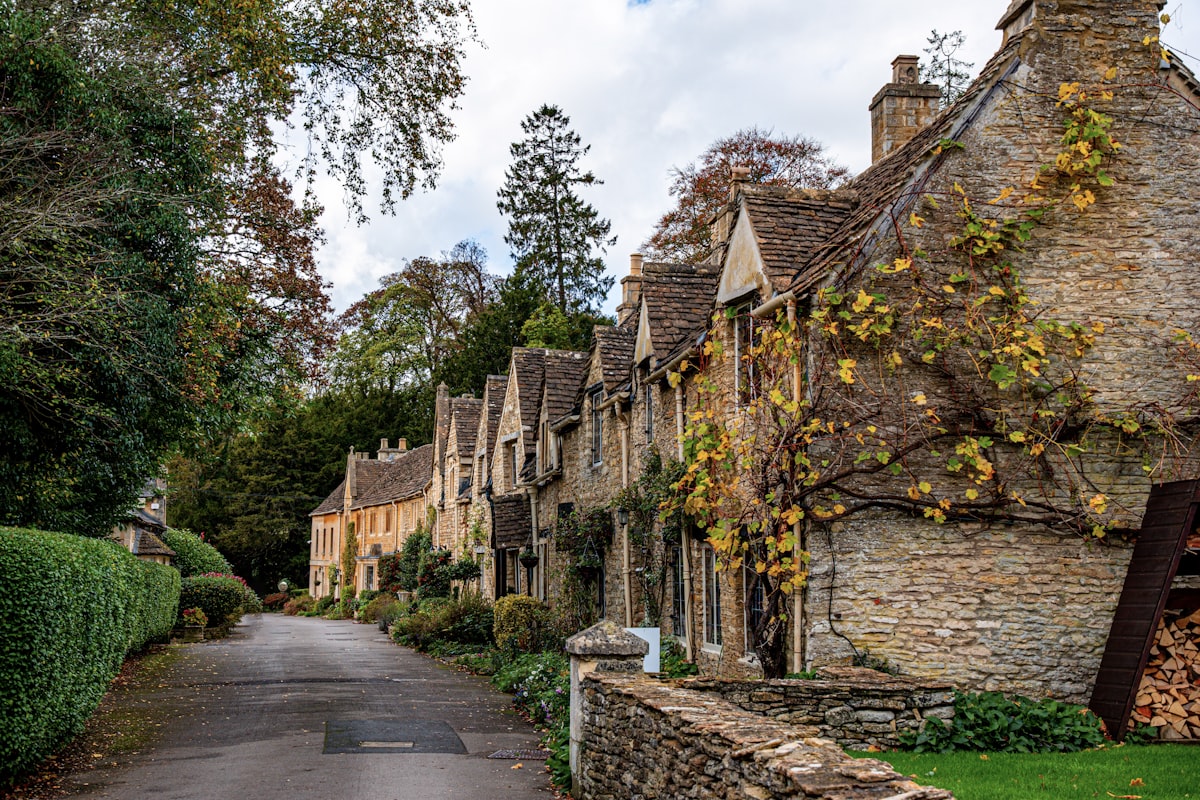
Daylight requirements in Central Bedfordshire are determined by a single, recently adopted development plan and a detailed council design guide, which makes the local position clearer than in many neighbouring areas. Central Bedfordshire Council is a unitary authority and the local planning authority for the whole district, covering towns such as Dunstable, Leighton Buzzard, Biggleswade, Sandy, Houghton Regis and Flitwick, together with a large rural hinterland that includes the Dunstable Downs and part of the Chilterns National Landscape.
Whether you are adding a rear extension, converting a property into flats, or bringing forward a larger residential scheme, the impact of your proposal on daylight and sunlight will be tested against the council's adopted policy and guidance. This article explains those requirements and how a properly prepared daylight and sunlight report can support your application.
The adopted Local Plan for Central Bedfordshire
The relevant development plan is the Central Bedfordshire Local Plan 2015–2035, which was adopted by Full Council on 22 July 2021. It sets the strategy for new homes, jobs, infrastructure and green spaces across the district up to 2035, and its policies are the starting point for determining planning applications. Because it is a single, district-wide plan, applicants do not have to untangle multiple legacy documents – the same policy framework applies consistently across Central Bedfordshire.
The key design and amenity policy is Policy HQ1 (High Quality Development). As applied in the council's own development management decisions, Policy HQ1 seeks to ensure that residential amenity is not adversely affected – including in terms of privacy, daylight, sunlight, outlook, noise and air quality – and requires new development to be of a high standard of design that responds to the character of its surroundings. Related policies in the HQ series, such as Policy HQ3 (Provision for Social and Community Infrastructure) and Policy HQ2 (Developer Contributions), sit alongside HQ1 within the plan's wider "high quality development" objectives, though HQ1 is the policy most directly concerned with protecting the living conditions of existing and future occupiers.
The council's daylight and sunlight guidance position
Unlike some authorities, Central Bedfordshire has its own adopted design guidance to support the Local Plan. The Central Bedfordshire Design Guide Supplementary Planning Document (SPD) was adopted on 1 August 2023 and is a material consideration in determining planning applications. It sets out detailed expectations for new homes and buildings, including amenity-space standards and design principles intended to safeguard the living conditions of neighbours and the quality of accommodation for future residents.
The SPD does not displace the recognised technical benchmarks for measuring daylight and sunlight. Instead, the council applies the Building Research Establishment's guidance – BRE BR 209, Site Layout Planning for Daylight and Sunlight: A Guide to Good Practice (2022 edition) – together with the daylight provision recommendations of BS EN 17037. These standards are read through the lens of Local Plan Policy HQ1 and the National Planning Policy Framework, which requires a high standard of amenity for existing and future users of land and buildings.
When a daylight and sunlight assessment is needed
Central Bedfordshire publishes a Validation Guide / Local Validation Checklist setting out the national and local information required to validate a planning application. A daylight and sunlight assessment is typically expected where:
- a proposal could materially reduce the daylight or sunlight reaching habitable rooms or gardens of neighbouring properties;
- new dwellings or flats are created that could receive poor levels of internal daylight; or
- the scale, height or proximity of a building raises a realistic prospect of overshadowing or loss of outlook.
Submitting a robust assessment up front reduces the risk of delay, requests for further information, or refusal on amenity grounds.
What a BRE-compliant report covers
A report prepared to BR 209 (2022) for a Central Bedfordshire scheme will normally include:
- Daylight to neighbours – the Vertical Sky Component (VSC) test at affected windows, and the No Sky Line / Daylight Distribution test within rooms.
- Sunlight to neighbours – the Annual Probable Sunlight Hours (APSH) test, including the winter component, for windows with a southerly aspect.
- Overshadowing – analysis of sunlight to gardens and amenity areas, typically against the 21 March benchmark.
- Daylight within the proposed dwellings – assessed against the target illuminance and daylight provision values in BS EN 17037 and BR 209.
Where the BRE numerical targets are not fully met, the report should explain the context and, where appropriate, set out a reasoned case for why the impact remains acceptable in planning terms.
Local specifics worth knowing
- Part of the district lies within the Chilterns National Landscape and the Dunstable Downs, where landscape sensitivity and design quality attract particularly close scrutiny under Policy HQ1.
- Historic market towns such as Leighton Buzzard, Biggleswade and Ampthill contain conservation areas and listed buildings, so extensions and infill must balance daylight and amenity with heritage considerations.
- Significant growth areas around Houghton Regis and Dunstable mean higher-density schemes are common, increasing the likelihood that a daylight, sunlight and overshadowing assessment will be requested at validation.
How Fortress Associates can help
Fortress Associates prepares our daylight and sunlight report service to BRE BR 209 (2022) and BS EN 17037, framed against Central Bedfordshire Local Plan Policy HQ1 and the council's Design Guide SPD. We work nationwide with a 4–5 working day turnaround and require no advance payment. We also provide Building Regulations drawings to Approved Documents A–S. To discuss your project, please get in touch or browse our full range of services. If your work also touches the neighbouring county, see our companion guide on daylight requirements in Buckinghamshire.
Sources & further reading
Need help with a UK planning project?
Fixed-fee daylight reports and Building Regulations drawings — delivered in 4–5 working days. No advance payment.
Request a free quote