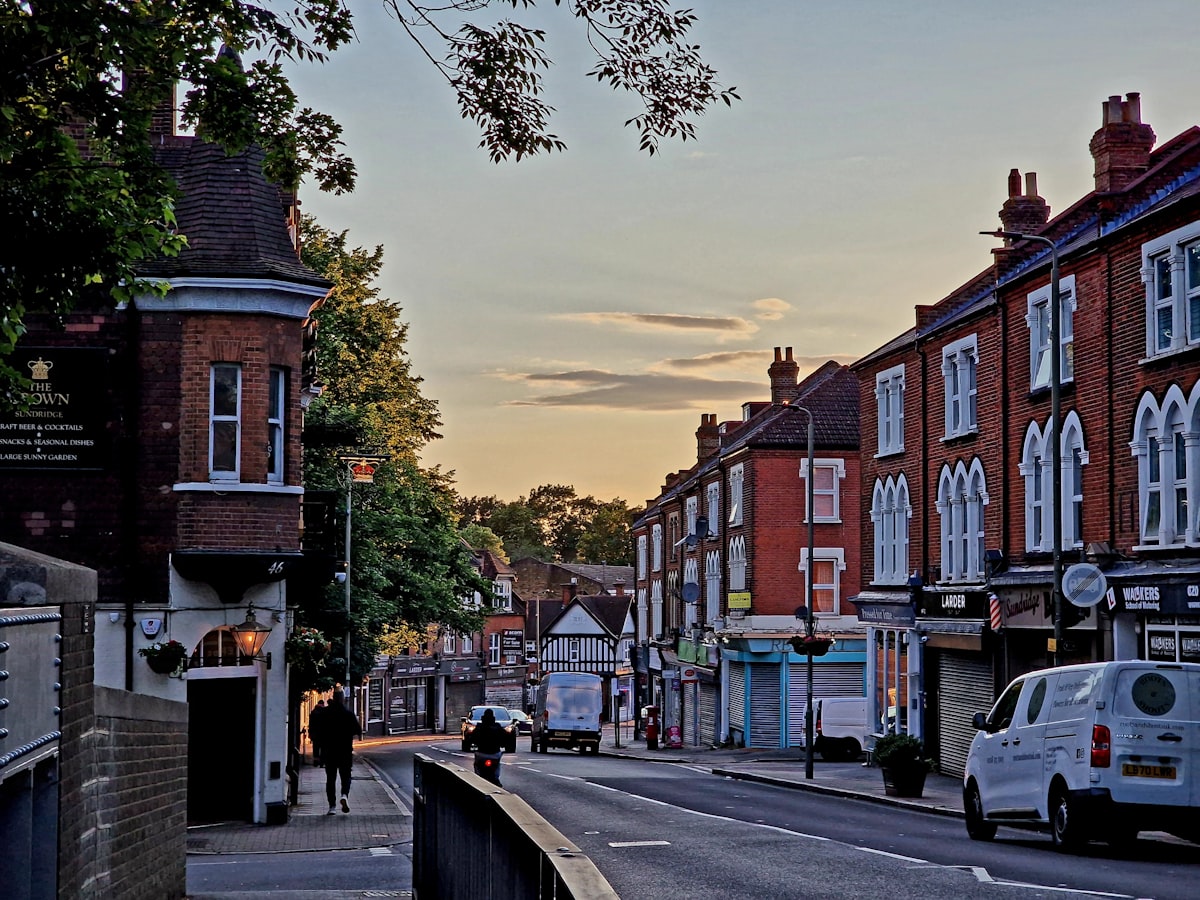
For homeowners, architects and developers working in Essex's county city, the question of daylight requirements in Chelmsford comes up early in almost every project. Whether you are adding a rear extension in a tightly knit residential street, building flats in the city centre, or delivering new homes within one of the city's growth areas, Chelmsford City Council will assess the impact of your proposal on the daylight and sunlight enjoyed by neighbours, as well as the quality of light reaching the new accommodation. This guide explains the adopted policy framework, the recognised technical standards, and when a daylight and sunlight assessment is likely to be needed.
Who is the local planning authority in Chelmsford?
Chelmsford City Council is the local planning authority (LPA) — not Essex County Council. Chelmsford was granted city status in 2012 and is the administrative centre of Essex. The council determines planning applications across the city and the surrounding villages and is the body that applies its adopted development plan to questions of residential amenity, including daylight, sunlight and overshadowing.
The adopted development plan
The relevant plan is the Chelmsford Local Plan, which sets the planning strategy for 2013 to 2036 and was adopted in May 2020. Its policies are prefixed with ‘S’ for strategic policies and ‘DM’ for development management policies. The plan is supported by the council's Making Places Supplementary Planning Document (SPD), which provides detailed design guidance for everything from large strategic sites to small extensions to individual homes. The policies most relevant to daylight and sunlight are:
- Policy DM29 (Protecting Living and Working Environments) – the council's principal amenity policy. Planning permission will be granted where development safeguards the living environment of nearby residential occupiers by ensuring it is not overbearing and does not result in unacceptable overlooking or overshadowing, and where it avoids unacceptable impacts such as noise or polluting emissions. Loss of light and overshadowing are assessed directly under this policy.
- Policy DM23 (High Quality and Inclusive Design) – requires development to respect the character and appearance of its surroundings, having regard to scale, siting, form and the relationship between buildings, which in turn governs how a proposal affects a neighbour's light and outlook.
- Policy DM26 (Design Specification for Dwellings) – requires all new dwellings, including flats, to have sufficient privacy and amenity space, supporting acceptable internal living conditions including access to daylight and sunlight.
Major and tall-building proposals are also assessed against related policies such as DM24 (Design and Place Shaping Principles in Major Developments) and DM28 (Tall Buildings), where massing and overshadowing are key considerations.
Daylight Requirements in Chelmsford: the technical standards that apply
The Chelmsford Local Plan sets the policy principle — that development must not cause unacceptable overshadowing or loss of amenity — but the numerical assessment of daylight and sunlight is carried out using the established national technical guidance. The recognised reference documents are:
- BRE BR 209, Site Layout Planning for Daylight and Sunlight: A Guide to Good Practice (third edition, 2022) – the standard methodology for assessing daylight to neighbouring windows (Vertical Sky Component and the no-sky-line / daylight distribution test), sunlight to windows (Annual Probable Sunlight Hours, with the seasonal split), and overshadowing of gardens and amenity areas.
- BS EN 17037 Daylight in Buildings – the standard for internal daylight provision in new dwellings, referenced within the 2022 BRE guidance.
- The National Planning Policy Framework (NPPF) – which seeks a high standard of amenity for existing and future occupiers while encouraging a flexible, context-led approach to daylight and sunlight, particularly where land is used efficiently in accessible locations.
In Chelmsford these standards are applied through the development management policies above — principally DM29 — and supported by the design expectations of the Making Places SPD. The council does not publish its own alternative numerical daylight targets; BRE BR 209 (2022) remains the benchmark used in practice when overshadowing or loss of light is in dispute.
When is a daylight and sunlight assessment needed?
Not every application requires a formal report. A modest single-storey rear extension a good distance from a boundary is unlikely to need numerical analysis. However, a BRE-based daylight and sunlight assessment is strongly advisable where a proposal is:
- a flatted scheme or apartment block in the city centre, where windows are close together and tall forms cast significant shadows;
- a two-storey or first-floor extension close to a shared boundary, where it could breach a neighbour's daylight to habitable-room windows;
- a taller or larger building assessed under the major-development and tall-building policies, where shadow studies and – for sensitive cases – transient overshadowing analysis are expected.
A clear, BRE-compliant report addresses likely objections under Policy DM29 before they escalate and gives case officers the technical evidence they need to recommend approval.
Local context that affects daylight in Chelmsford
Several local characteristics influence how daylight and sunlight issues arise:
- Garden community and growth areas. Large strategic developments such as the Beaulieu and Channels area to the north-east of the city bring new, higher-density layouts where the spacing, orientation and massing of homes must be designed to protect daylight, sunlight and privacy from the outset — exactly the issues the Making Places SPD addresses.
- An intensifying city centre. As a designated city with continued pressure for flats and mixed-use schemes near the River Chelmer and Can, Chelmsford sees more proposals where tall buildings and close-set windows make overshadowing and internal daylight a central planning consideration.
How Fortress Associates can help
Fortress Associates provides our daylight and sunlight report service to clients across Chelmsford and the whole of the UK. Our reports follow BRE BR 209 (2022) and BS EN 17037 and are prepared to support planning submissions assessed under Policies DM29, DM23 and DM26 of the Chelmsford Local Plan. We work to a 4–5 working day turnaround and ask for no advance payment. We can also prepare your Building Regulations drawings. To discuss a project, please get in touch.
Sources & further reading
Need help with a UK planning project?
Fixed-fee daylight reports and Building Regulations drawings — delivered in 4–5 working days. No advance payment.
Request a free quote