Understanding the daylight requirements in Cotswold is essential for anyone planning an extension, a new dwelling or a larger residential scheme in this part of Gloucestershire. Cotswold District Council is the local planning authority (LPA) for the area — Gloucestershire County Council is not the planning authority for these decisions — so applications are assessed against the District's own adopted policies, supported by national technical guidance. This article explains how daylight and sunlight are considered locally, which policies apply, and how a professional assessment can support your application.
The planning framework: the Cotswold District Local Plan 2011–2031
The development plan for the area is the Cotswold District Local Plan 2011–2031, which was adopted on 3 August 2018. It sets out the policies against which planning applications in the District are determined, alongside the National Planning Policy Framework (NPPF). Two policies are particularly relevant when daylight, sunlight and amenity are in question.
- Policy EN2 – Design of the Built and Natural Environment. This policy requires development to be of a high design quality that respects the character and appearance of the area. It works together with the Cotswold Design Code (Appendix D of the Local Plan), which addresses how new development relates to its surroundings, including the interface between new and existing buildings and the protection of neighbouring amenity.
- Policy EN15 – Pollution and Contaminated Land. This policy safeguards against development that would cause unacceptable harm to amenity, health and the environment, including from pollution such as light. It is one of the levers through which the Council protects the living conditions of existing and future residents.
Loss of daylight, loss of sunlight, overshadowing and overlooking are recognised material considerations under these amenity and design policies. Where a proposal would unacceptably harm the daylight or sunlight enjoyed by a neighbouring property — or fail to provide adequate daylight within new homes — that can weigh against a grant of permission.
Daylight requirements in Cotswold: what guidance actually applies
It is important to be accurate about the local position. Cotswold District Council does not publish a standalone daylight and sunlight supplementary planning document (SPD) setting out its own numerical targets. Instead, the recognised national technical methodology is applied through the Local Plan's amenity and design policies. In practice this means assessments are carried out against:
- BRE BR 209 (2022) – Site layout planning for daylight and sunlight: a guide to good practice, the standard reference for measuring impacts on neighbours (Vertical Sky Component, the no-sky line / daylight distribution, and the Annual Probable Sunlight Hours test for sunlight);
- BS EN 17037 – the British Standard on daylight in buildings, used to assess the daylight provision within new and altered homes;
- the NPPF – which expects good standards of amenity for existing and future occupants and, on optimising the use of land, makes clear that authorities should take a flexible approach to daylight and sunlight where this would otherwise inhibit making efficient use of a site.
The Council's own design guidance reinforces this approach. The Cotswold Design Code includes guidance on layout planning for daylight, and the Council's wider design material stresses that the interface between a new development and adjacent properties should be designed to respect the amenity of existing residents. The Householder Validation Checklist and the full planning validation checklists also flag amenity and overshadowing as matters that may need to be addressed in supporting information, particularly for extensions close to a boundary or to neighbouring windows.
Why local context matters here
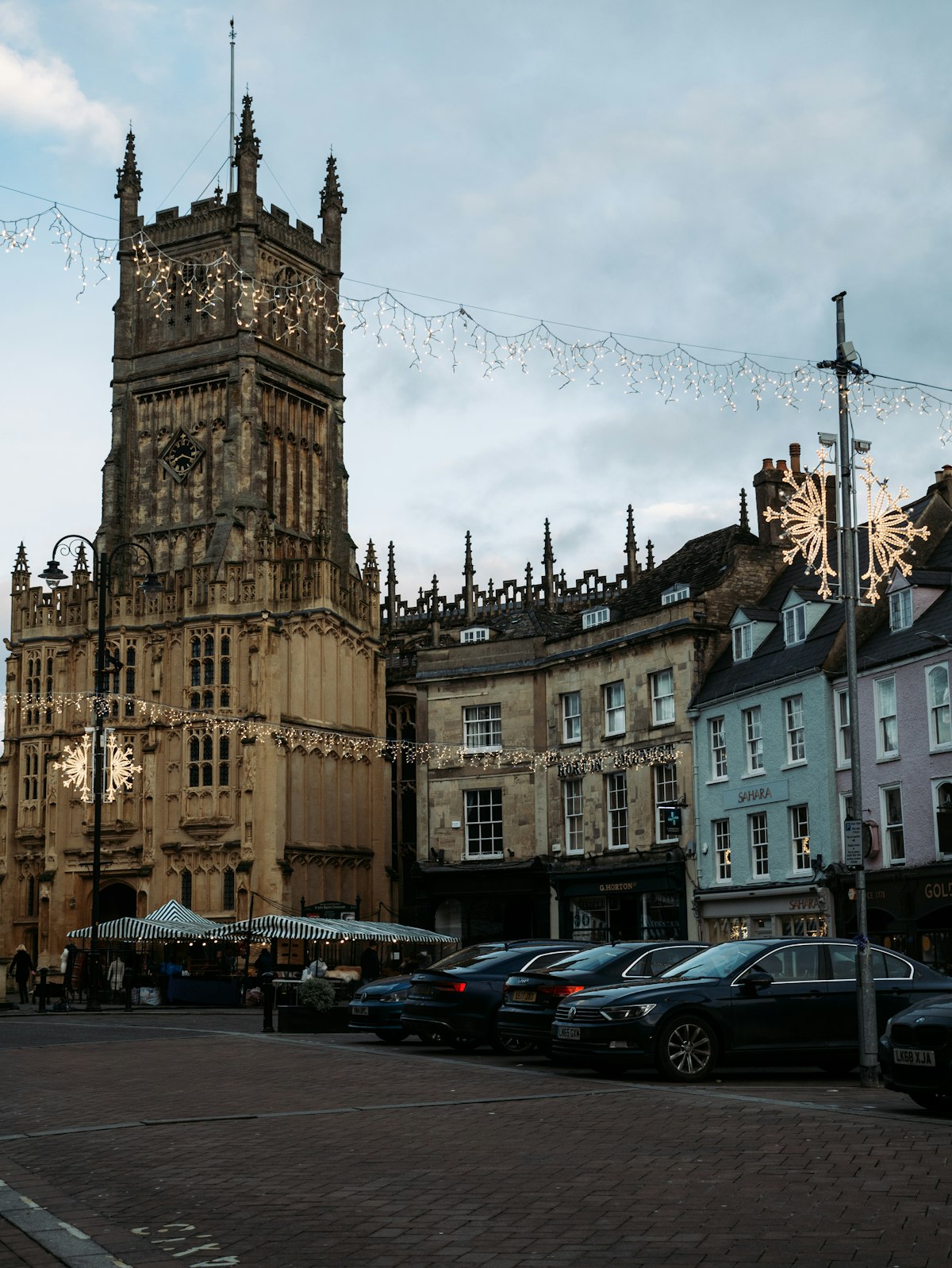
Cotswold is a distinctive place, and that context shapes how daylight and design are judged. Almost the entire District lies within the Cotswolds National Landscape (formerly the Cotswolds Area of Outstanding Natural Beauty), one of the largest protected landscapes in England. The traditional building grain — tightly knit settlements of honey-coloured limestone, narrow lanes and closely spaced frontages, seen at their best in Cirencester (the District's largest town) and villages such as Bourton-on-the-Water and Stow-on-the-Wold — means that buildings often sit close together. This compact historic form can make daylight and overshadowing relationships finely balanced, and a careful, evidence-based assessment is frequently the difference between a smooth approval and a refusal or objection.
When you should commission a daylight and sunlight report
A professional daylight and sunlight assessment is worth considering when:
- your extension or new building could reduce daylight or sunlight to a neighbour's habitable-room windows or their garden;
- a neighbour has objected, or the case officer has raised amenity or overshadowing as a concern;
- you are designing a flatted or higher-density scheme and need to demonstrate adequate internal daylight under BS EN 17037; or
- you want to test a design early, before submission, to reduce the risk of costly redesign.
A report prepared to BRE BR 209 (2022) provides objective figures that a planning officer can rely on, and it can also be used to defend a scheme against an unfounded objection.
How Fortress Associates can help
Fortress Associates is a UK daylight and sunlight consultancy working nationwide, including across Cotswold District. We prepare our daylight and sunlight report service to BRE BR 209 (2022) and BS EN 17037, referenced to the relevant Local Plan policies, so your application is supported by clear, defensible evidence. We typically turn assessments around in 4–5 working days, and we ask for no advance payment. We can also prepare Building Regulations drawings where your project needs them. To discuss your scheme, please get in touch.
Related reading
If your project sits elsewhere in Gloucestershire, you may also find our guide to daylight requirements in Stroud useful, as it covers the neighbouring district's adopted policies.
Sources & further reading
Need help with a UK planning project?
Fixed-fee daylight reports and Building Regulations drawings — delivered in 4–5 working days. No advance payment.
Request a free quote