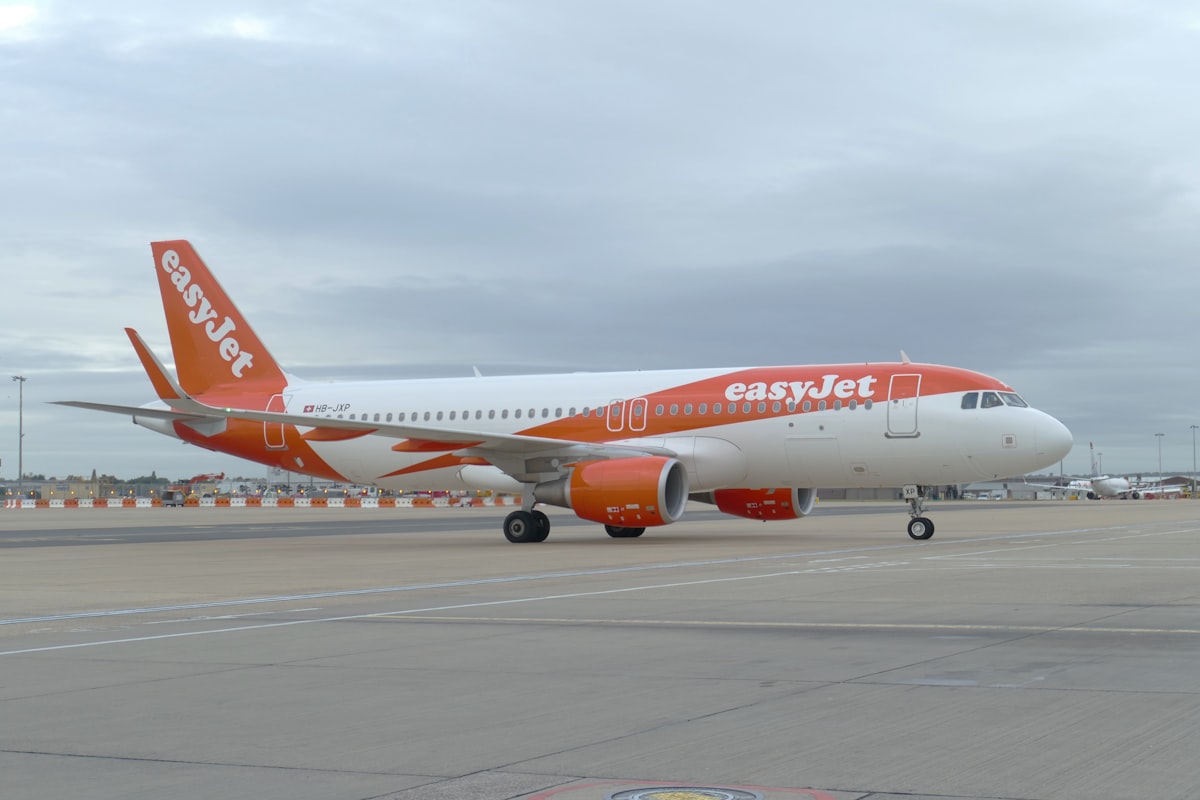
Daylight requirements in Crawley deserve careful attention from anyone planning a new home, an extension or a larger residential or mixed-use scheme in this West Sussex borough. Crawley is unusual among local authorities: it was built as a post-war New Town, organised around a town centre and a series of self-contained residential neighbourhoods, and it is home to London Gatwick Airport, one of the busiest single-runway airports in the world. That distinctive urban grain — relatively planned, medium-density layouts alongside intensifying town-centre sites — makes the protection of daylight and sunlight a recurring theme in planning decisions. This article sets out how those requirements apply locally.
The local planning framework in Crawley
The local planning authority (LPA) is Crawley Borough Council; West Sussex County Council is not the LPA for these decisions. The current development plan is the Crawley Borough Local Plan 2023 to 2040, adopted by Full Council on 16 October 2024. This replaced the previous 2015 plan and brings the borough's policies up to date.
The Local Plan groups its design and amenity expectations under a set of "Design and Development" (DD) policies. The ones most relevant to daylight and sunlight are:
- Policy DD1 (Normal Requirements of All New Development / high quality design), under which all proposals must provide or retain a good standard of amenity for existing and future occupiers and must not cause unreasonable harm to neighbouring amenity through overlooking, dominance or overshadowing.
- Policy DD2 (Inclusive Design) and Policy DD3 (Standards for All New Dwellings), which together set internal and external space and quality expectations for new homes, including the quality of the living environment that adequate daylight helps to deliver.
The explicit reference to overshadowing in the amenity requirements is the policy basis on which daylight and sunlight objections are most often raised and resolved in Crawley.
Crawley's supplementary guidance
Unlike many districts, Crawley supports its Local Plan with a meaningful body of supplementary guidance that bears directly on daylight and sunlight:
- Urban Design SPD (2016) — applies to development of all scales and uses, helping applicants submit good-quality schemes that meet national and local policy. It addresses the relationship between buildings and the impact of new development on the amenity of neighbours.
- Householder Development SPD — guidance aimed specifically at extensions and alterations, dealing with matters such as first-floor side windows and overlooking, and the relationship of extensions to adjoining homes and their light. The council has been reviewing and updating this guidance to sit alongside the new Local Plan.
- Planning and Climate Change SPD — relevant where building orientation, daylighting and overheating are considered together.
Crawley's adopted national and local list of validation requirements goes further than many neighbouring authorities by expressly providing for a daylight, sunlight and overshadowing assessment where a proposal may materially affect the light reaching neighbouring properties or public spaces. Following adoption of the 2023-2040 Local Plan, the council reviewed this local list to keep it aligned with current policy. In practice this means that for sensitive sites — taller town-centre buildings, infill within an established neighbourhood, or a scheme close to existing two-storey homes — a daylight and sunlight assessment is often a required part of a valid submission.
The standards that apply
Crawley does not set its own numerical daylight thresholds. Instead, assessments are prepared against the established national and international benchmarks, which the council's amenity and design policies rely upon:
- BRE BR 209 (2022) — the Building Research Establishment guide Site Layout Planning for Daylight and Sunlight, providing the vertical sky component (VSC), no-sky-line, annual probable sunlight hours (APSH) and overshadowing tests.
- BS EN 17037 — the standard Daylight in Buildings, used to demonstrate adequate daylight provision within new dwellings.
- The National Planning Policy Framework (NPPF), which requires a high standard of amenity for existing and future users while supporting the efficient use of land.
What daylight requirements in Crawley mean in practice
The borough's particular characteristics influence how assessments are read:
- A New Town structure. Crawley's residential neighbourhoods — Tilgate, Furnace Green, Pound Hill, Bewbush, Broadfield and others — were laid out to consistent densities, so the introduction of taller or deeper buildings can stand out and prompt close scrutiny of impact on neighbours' light and gardens.
- An intensifying town centre. Pressure to deliver homes near the centre and around the railway station leads to taller apartment schemes, where VSC and daylight distribution tests are central to demonstrating acceptable impact.
- The Gatwick economy. The airport drives demand for housing and employment floorspace, increasing the frequency of higher-density proposals where daylight modelling adds real value.
A robust assessment measures the existing daylight and sunlight to surrounding windows and amenity areas, models the proposal, and compares the outcome with the BRE BR 209 guidelines. Meeting those targets provides strong evidence of compliance with Policies DD1 to DD3 and the Urban Design SPD. Where a target is not met, the report can set out the context and any mitigation, helping the council reach a balanced, evidence-led judgement.
Common triggers for an assessment in Crawley
- Apartment or mixed-use buildings in or near the town centre.
- Two-storey extensions close to a shared boundary.
- Infill and back-land dwellings within an established neighbourhood.
- Schemes where neighbours have raised concerns about loss of light.
How Fortress Associates can help
Fortress Associates provides our daylight and sunlight report service to BRE BR 209 (2022) and BS EN 17037, set within the policy framework of the Crawley Borough Local Plan 2023-2040 and its supplementary guidance. We work nationwide, typically turn reports around in four to five working days, and ask for no advance payment. See our services page or use our contact page to get started. For nearby schemes, you may also find our guide to daylight requirements in Horsham helpful.
Sources & further reading
Need help with a UK planning project?
Fixed-fee daylight reports and Building Regulations drawings — delivered in 4–5 working days. No advance payment.
Request a free quote