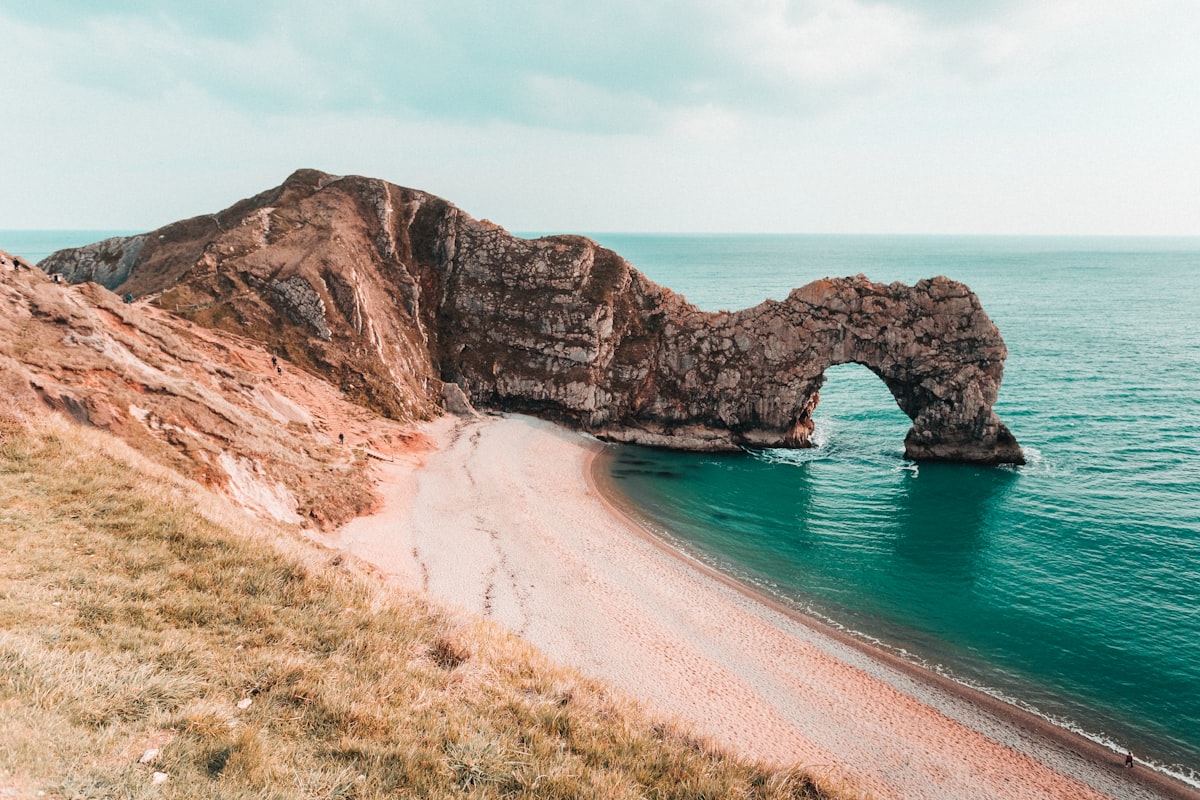
Getting to grips with the daylight requirements in Dorset can feel complicated, and for good reason: Dorset Council is a single planning authority that still works to several different legacy local plans inherited from the councils it replaced. Whether you are extending a cottage in Bridport, building flats in Weymouth or developing a site near the Jurassic Coast, the daylight and sunlight reaching your scheme and the homes around it can be decisive. This guide explains how Dorset Council assesses daylight and sunlight, which adopted policies apply, and the national technical standards that underpin every assessment.
How daylight is regulated in Dorset
Dorset Council is a unitary authority created on 1 April 2019, when the former district and borough councils of East Dorset, North Dorset, Purbeck, West Dorset, and Weymouth & Portland, together with Dorset County Council, were merged. It is now the Local Planning Authority (LPA) for the whole of its area — everything except the separate Bournemouth, Christchurch and Poole (BCP) Council area.
Because the merger brought together several planning authorities, Dorset Council does not yet have one single adopted local plan. Instead, planning applications are decided against the relevant legacy development plan for the part of the county in which a site sits, supported by national policy. A new, single Dorset Council Local Plan is being prepared: the Council decided in 2024 to restart work on its plan, with renewed Issues and Options (Regulation 18) consultation in 2025 and later stages following. Until that new plan is adopted, the inherited plans remain the basis for decisions.
The multi-plan situation, explained
The key plans an applicant may encounter include:
- The West Dorset, Weymouth & Portland Local Plan (2015), a joint plan adopted in October 2015 and running to 2031, covering the former West Dorset and Weymouth & Portland areas.
- The Purbeck Local Plan Part 1 (2024), adopted on 18 July 2024, covering the former Purbeck area.
- The legacy North Dorset and East Dorset / Christchurch & East Dorset local plans, covering those respective areas.
The practical consequence is that the exact policy wording on amenity can differ depending on where your site is. It is always worth confirming which plan applies before you design or submit a scheme.
A legacy amenity policy: West Dorset, Weymouth & Portland
To show how daylight is handled, the West Dorset, Weymouth & Portland Local Plan (2015) is a good example. Two policies are directly relevant:
- Policy ENV16 (Amenity). This is the central amenity test. It states that development should be designed to minimise its impact on the amenity and quiet enjoyment of existing and future residents, and will only be permitted provided proposals “do not have a significant adverse effect on the amenity of the occupiers of properties through inadequate daylight or excessive overshadowing, overbearing impact or flicker”, and do not cause a significant adverse effect “through loss of privacy”. This is an unusually explicit local statement that daylight, sunlight and overshadowing are material considerations.
- Policy ENV12 (The Design and Positioning of Buildings). This design policy expects development to achieve a high quality of design and to respond to the positioning, orientation and relationship of buildings — matters that directly influence how light reaches a building and its neighbours.
Other legacy plans contain their own equivalent amenity and design policies; the principle — protecting neighbours and future occupiers from unacceptable loss of light — is consistent across them.
Does Dorset require a daylight and sunlight assessment?
Yes, in defined circumstances. Dorset Council's National and Local List of Validation Requirements includes a specific item for a Daylight/sunlight assessment. It is required “for all applications when there is a potential adverse impact upon the current levels of sunlight/daylight enjoyed by the users/occupants of the proposed development site and adjoining properties or building(s), including associated gardens or amenity space.”
Crucially, the validation list points applicants directly to the recognised national methodology, stating that “guidance is provided by the Building Research Establishment”. The checklist also reminds applicants that planning permission does not override private property rights, including potential matters under the Rights of Light Act 1959 — a separate legal regime from planning. The stated reasons for the requirement include the National Planning Policy Framework, Planning Practice Guidance and the Council's adopted development plans.
This means that, unlike some authorities where daylight is only implied, Dorset Council has an explicit, plan-backed trigger for a daylight and sunlight assessment. In practice the assessment is carried out using:
- BRE BR 209 (2022) – Site Layout Planning for Daylight and Sunlight: A Guide to Good Practice, the standard methodology for daylight to neighbouring windows (Vertical Sky Component and No Sky Line) and sunlight (Annual Probable Sunlight Hours).
- BS EN 17037 – Daylight in Buildings, which sets targets for daylight, sunlight, view out and the avoidance of glare inside the new homes.
- The National Planning Policy Framework (NPPF), which requires a high standard of amenity for existing and future occupants while supporting efficient use of land.
Where daylight issues commonly arise in Dorset
Dorset's landscape and settlement pattern create particular pressures. Coastal sites near the Jurassic Coast and steeply sloping plots, such as those below cliffs, can throw long shadows and make sunlight and daylight a key consideration for occupied buildings and amenity spaces. Historic market towns such as Dorchester, Bridport and Sherborne have tight, characterful street patterns where a rear extension can readily affect a neighbour's windows or garden. In Weymouth and other denser settlements, infill and apartment schemes raise the familiar balance between making efficient use of land and protecting daylight between buildings.
When should you commission a daylight and sunlight report?
Given Dorset's explicit validation trigger, a professional assessment is worth considering where:
- A two-storey or large rear extension sits close to a neighbouring boundary and habitable-room windows.
- You are proposing flats or infill where buildings are close together, or a scheme on a sloping or cliff-side plot.
- A neighbour has objected on grounds of loss of light, overshadowing or an overbearing effect.
- A planning officer or the validation checklist indicates a daylight and sunlight assessment is needed.
How Fortress Associates can help
Fortress Associates prepares our daylight and sunlight report service to BRE BR 209 (2022) and BS EN 17037, presenting results clearly against the relevant Dorset legacy plan policies so officers and neighbours can understand the impact quickly. We work UK-wide with a typical turnaround of 4–5 working days, and we ask for no advance payment. You can also explore our wider planning support services, including Building Regulations drawings to the Approved Documents. To discuss a Dorset project, get in touch with our team.
If you are working in the Midlands as well, our guide to daylight requirements in Derby offers a useful comparison.
Sources & further reading
Need help with a UK planning project?
Fixed-fee daylight reports and Building Regulations drawings — delivered in 4–5 working days. No advance payment.
Request a free quote