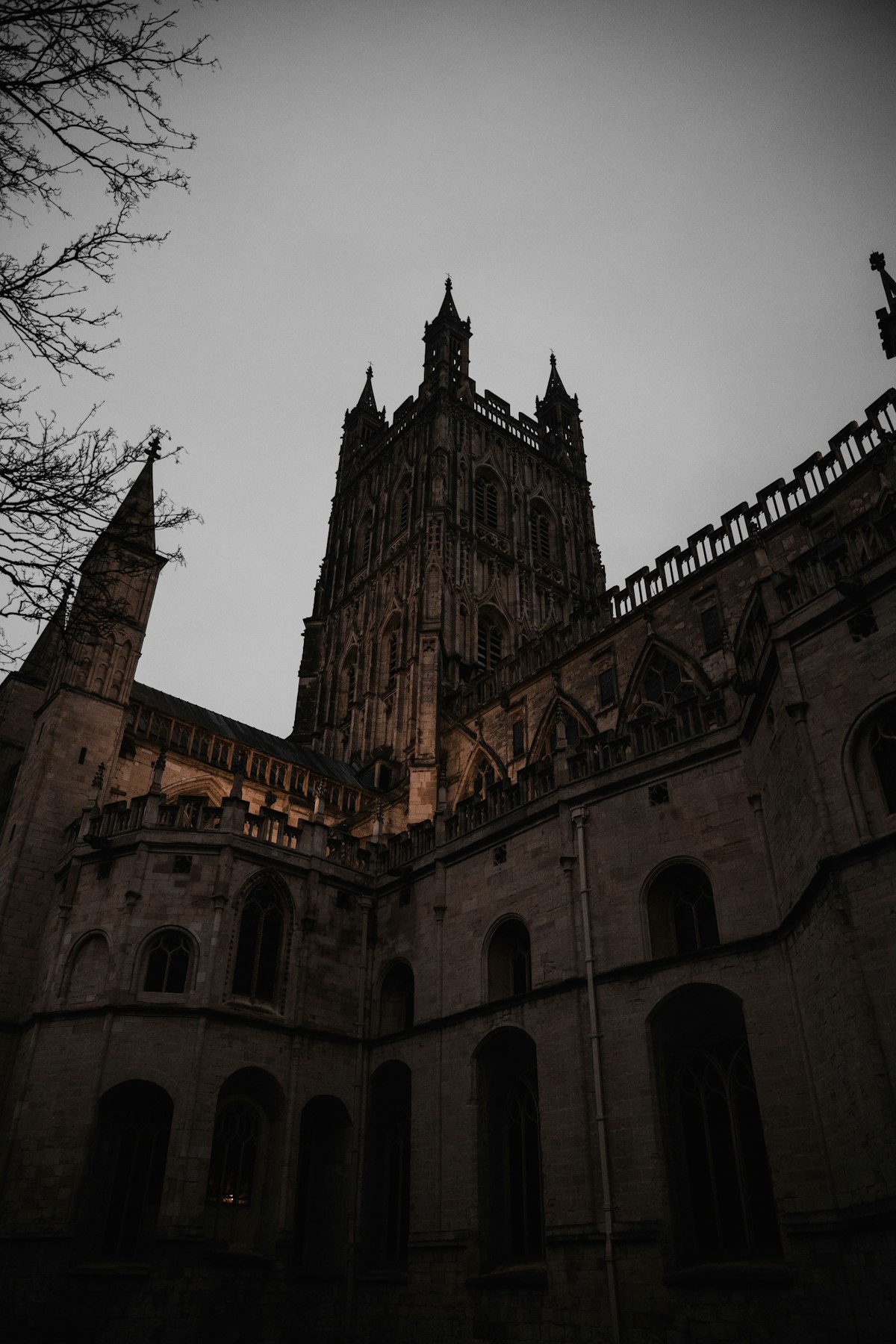
Understanding the daylight requirements in Gloucester is essential for anyone planning a residential extension, an infill dwelling or a larger development within the city. Gloucester City Council is the local planning authority (LPA) for the city, and it assesses the effect of new building on daylight, sunlight and overall amenity through its adopted development plan. Gloucestershire County Council is not the planning authority for these decisions. This guide explains the policies that apply, the guidance the council uses, and how a professional daylight and sunlight assessment can support a clean application.
Who decides daylight matters in Gloucester
Gloucester is a shire district within Gloucestershire, and Gloucester City Council determines planning applications for development within the city boundary. The city has an unusual two-part development plan, which is worth understanding before you submit anything.
Gloucester shares a strategic plan, the Gloucester, Cheltenham and Tewkesbury Joint Core Strategy (JCS), with two neighbouring authorities. The JCS was adopted in December 2017 and sets the strategic policy framework across all three areas. Sitting beneath it, Gloucester has its own local plan, the Gloucester City Plan 2011–2031, which was adopted by Full Council on 26 January 2023. Decisions on amenity, design and daylight draw on both documents together, along with the remaining saved policies of the older City of Gloucester Local Plan.
The Local Plan policies that govern daylight and amenity
There is no single policy headed "daylight" in Gloucester. Instead, daylight and sunlight are assessed as part of the wider tests on residential amenity and design quality. The key adopted policies are:
- JCS Policy SD4 (Design Requirements) — requires development to be of a high standard of design that responds to its context and protects the amenity of existing and future occupiers.
- JCS Policy SD10 (Residential Development) — sets out the criteria for acceptable housing development, including the living conditions of neighbouring and future residents.
- JCS Policy SD14 (Health and Environmental Quality) — addresses the quality of the living environment, including amenity impacts on existing residents.
- City Plan Policy A1 (Effective and efficient use of housing land and buildings) — permits development only where it does not have a significant adverse impact on "the character of the locality, the appearance of the street scene and the living conditions of neighbouring occupiers or future residents", and requires schemes to be well-designed to support healthy living conditions.
The most direct test for householders sits in the City Plan policy on residential extensions, which grants permission only where the proposal satisfies all of the listed criteria, including that:
"The living conditions of neighbouring occupiers are not unduly harmed by the proposal as a result of overlooking, overshadowing, or overbearing development."
Overshadowing is the language the plan uses for loss of sunlight to gardens and amenity space, while reduced daylight to neighbouring windows falls within the same amenity test. This is where a BRE-based assessment becomes valuable, because it converts a subjective judgement about "undue harm" into measurable numbers.
Gloucester's daylight guidance: the Home Extension Guide
Gloucester City Council does not publish a standalone daylight and sunlight Supplementary Planning Document (SPD). However, it does have a relevant and current piece of design guidance: the Home Extension Guide, an adopted SPD most recently updated in April 2024.
The Home Extension Guide is unusually explicit about light. It sets out a section on overshadowing, advising that the positioning, design and mass of an extension should not be dominant or overbearing, and it applies the well-known 45-degree rule to test loss of light to neighbouring windows. The guide describes two methods of applying the 45-degree splay — one on plan and one on elevation — and explains that an extension breaking one line may be unacceptable while breaking both would normally be refused. For householders, this is the practical yardstick Gloucester officers reach for first.
Where the 45-degree rule is not decisive, or for larger schemes such as flats and infill development, the council relies on national technical guidance applied through the Local Plan. That means the BRE guidance BR 209 (2022 edition), the daylight standard BS EN 17037, and the amenity expectations of the National Planning Policy Framework (NPPF). The City Plan also references its validation requirements, and where a proposal raises a genuine light issue an officer can expect a daylight and sunlight assessment in support.
Local specifics worth knowing in Gloucester
Two characteristics of the city shape daylight cases more than the policy text alone:
- Gloucester Docks and the historic core. The regenerated docks and the area around Gloucester Cathedral combine tall historic structures with newer high-density residential conversions and apartments. In these tight, vertically mixed settings, daylight and overshadowing impacts are scrutinised closely, and a numerical BRE assessment often carries more weight than a design argument alone.
- Dense terraced and infill housing. Much of Gloucester's older housing is closely spaced terraced and semi-detached stock with modest rear gardens. The Home Extension Guide's 45-degree rule was written with exactly this grain in mind, and rear extensions are the most common daylight flashpoint between neighbours.
Because Gloucester has no dedicated daylight SPD, applicants and objectors alike benefit from a clear, BRE-compliant set of figures. It removes ambiguity from the "undue harm" judgement and gives the case officer something objective to weigh.
How Fortress Associates can help
Fortress Associates provides a focused our daylight and sunlight report service for projects across Gloucester and the wider country. We prepare daylight and sunlight assessments to BRE BR 209 (2022) and BS EN 17037, written to support your planning application under the JCS and the Gloucester City Plan. We work UK-wide with a 4–5 working day turnaround and ask for no advance payment. We also produce Building Regulations drawings where a scheme needs them. To discuss your site, get in touch.
Sources & further reading
- Gloucester City Council — Adopted Development Plan (JCS 2017 and City Plan 2023)
- Gloucester City Council — Submitting a planning application and validation
- BRE — Site layout planning for daylight and sunlight (BR 209)
- National Planning Policy Framework (NPPF)
- Fortress Associates daylight and sunlight reports
Need help with a UK planning project?
Fixed-fee daylight reports and Building Regulations drawings — delivered in 4–5 working days. No advance payment.
Request a free quote