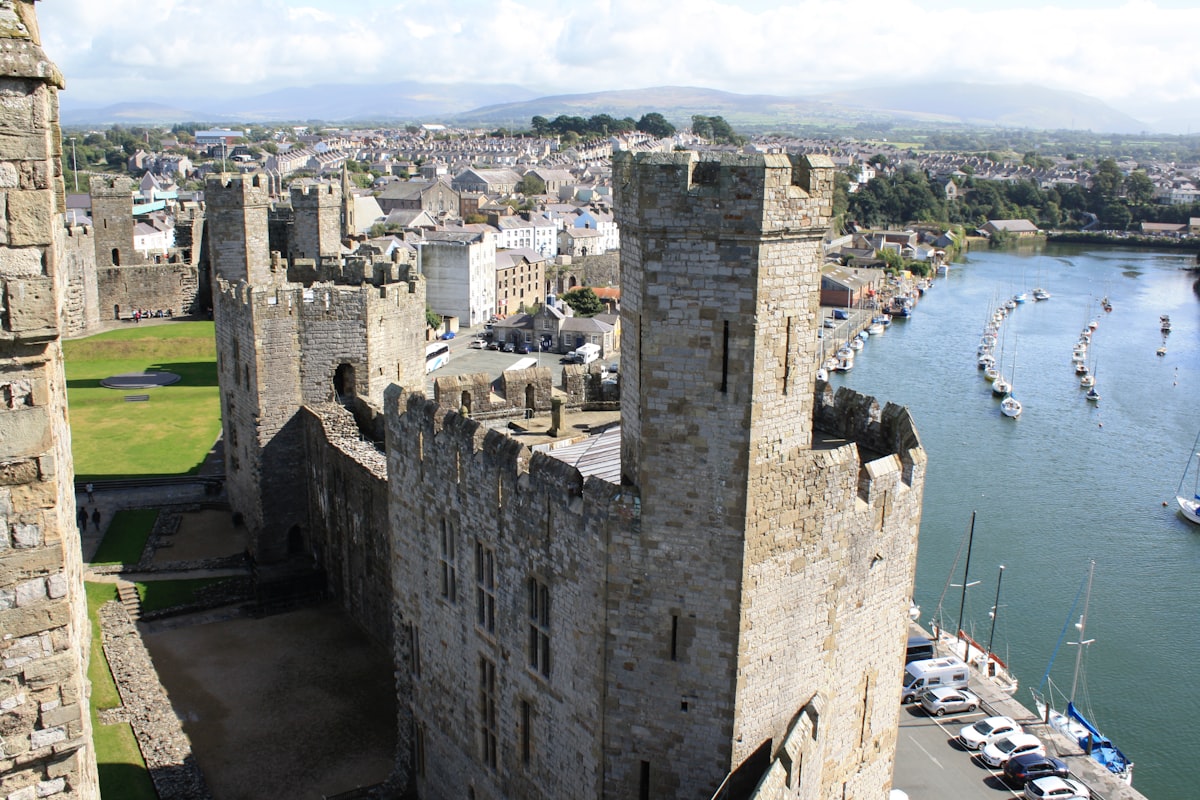
Anyone bringing forward development in Caernarfon, Bangor, Pwllheli or the wider county needs to understand the daylight requirements in Gwynedd. Cyngor Gwynedd, as the local planning authority for most of the county, expects new buildings and extensions to respect the daylight and sunlight enjoyed by neighbouring homes, and to provide acceptable internal daylight for future occupiers. This article explains the policy framework that applies, the technical guidance assessors use, and how to prepare for a planning application with confidence.
The planning framework that applies in Gwynedd
Planning decisions in Gwynedd are made against the adopted development plan together with national policy. The adopted plan is the Joint Anglesey and Gwynedd Local Development Plan 2011–2026, which was adopted on 31 July 2017. It was prepared jointly by Cyngor Gwynedd and the Isle of Anglesey County Council and remains the statutory development plan for both authority areas.
An important local point: the Joint LDP does not cover the whole of Gwynedd. Much of southern and eastern Gwynedd falls within Eryri (Snowdonia) National Park, which is a separate planning authority with its own local development plan. If your site lies within the National Park boundary, the Eryri authority — not Cyngor Gwynedd — determines the application. It is always worth confirming which authority your land falls under before you begin.
Note too that Cyngor Gwynedd and the Isle of Anglesey County Council ended their joint planning policy working arrangement on 31 March 2023. The 2017 Joint LDP still applies, but Gwynedd has begun preparing a new Local Development Plan for the Gwynedd planning area alone. The adopted Joint LDP remains the basis for decisions until any replacement is adopted.
Above the local plan sit the national documents for Wales: Planning Policy Wales (Edition 12, 2024), Future Wales: the National Plan 2040, and the relevant Technical Advice Notes, including TAN 12: Design. The English National Planning Policy Framework does not apply in Wales.
Which Gwynedd policies deal with daylight and amenity?
The Joint LDP does not set a single numerical “daylight standardâ€. Instead, daylight and sunlight are assessed as part of the wider tests of design quality and protection of residential amenity. Two policies are central:
- Policy PCYFF 2 – Development Criteria. This is the principal amenity policy. It requires that proposals must not cause an unacceptable adverse impact on the health, safety or amenity of occupiers of local residences, other land uses or the characteristics of the locality — including impacts arising from loss of light, overlooking, overshadowing and loss of privacy.
- Policy PCYFF 3 – Design and Place Shaping. This requires good-quality design that respects the site and its surroundings and protects important local features and amenity. Adequate daylight to new and existing properties is part of achieving the standard of design and amenity the policy seeks.
In practice, a planning case officer in Gwynedd will weigh whether a scheme overshadows neighbouring gardens or windows, blocks light to habitable rooms, or creates an oppressive or enclosing relationship with adjoining homes. A clear daylight and sunlight assessment is the most effective way to demonstrate that PCYFF 2 and PCYFF 3 are satisfied.
Welsh-language and cultural considerations also feature in the Joint LDP, reflecting Gwynedd’s status as a stronghold of the Welsh language. While these matters do not change daylight methodology, they form part of the design and community context that the council assesses, and a well-presented application that engages with local character tends to fare better.
How daylight and sunlight are actually measured
Because the Joint LDP sets the policy aim rather than a calculation method, assessors in Gwynedd — as across the UK — use established best-practice guidance to test whether amenity is protected. The recognised reference is the Building Research Establishment guide BRE BR 209, “Site Layout Planning for Daylight and Sunlight†(2022 edition), supported by the British Standard BS EN 17037 on daylight in buildings.
These documents set out the numerical tests that a daylight and sunlight report applies, including:
- Vertical Sky Component (VSC) – the amount of skylight reaching a neighbour’s window, with a guideline that retained values should generally be at least 27%, or no less than 0.8 times the former value.
- No-Sky Line / Daylight Distribution – how far daylight penetrates into a room.
- Annual Probable Sunlight Hours (APSH) – sunlight to windows and amenity areas, particularly those facing within 90 degrees of due south.
- Overshadowing of gardens and open space, normally tested on the 21 March equinox.
A robust BR 209 assessment gives Gwynedd’s officers the objective evidence they need to apply PCYFF 2 and PCYFF 3, and helps applicants identify and design out problems before submission.
When is a daylight assessment worth commissioning?
It is sensible to consider a daylight and sunlight report where a proposal is taller or deeper than its neighbours, sits close to a boundary, introduces new windows that overlook adjoining property, or where a tight urban plot in Bangor or Caernarfon means new homes must be tested for their own internal daylight. Providing the evidence up front reduces the risk of delay, objection or refusal.
How Fortress Associates can help
Fortress Associates provides our daylight and sunlight report service to BRE BR 209 (2022) and BS EN 17037 for sites across Gwynedd and the rest of the UK. We assess impact on neighbours and the daylight available to your own scheme, and set the findings within the relevant Joint LDP policies and the Welsh planning framework. We also prepare Building Regulations drawings. Reports are typically delivered within 4–5 working days, with no advance payment required. To discuss your site, please get in touch.
Sources & further reading
Need help with a UK planning project?
Fixed-fee daylight reports and Building Regulations drawings — delivered in 4–5 working days. No advance payment.
Request a free quote