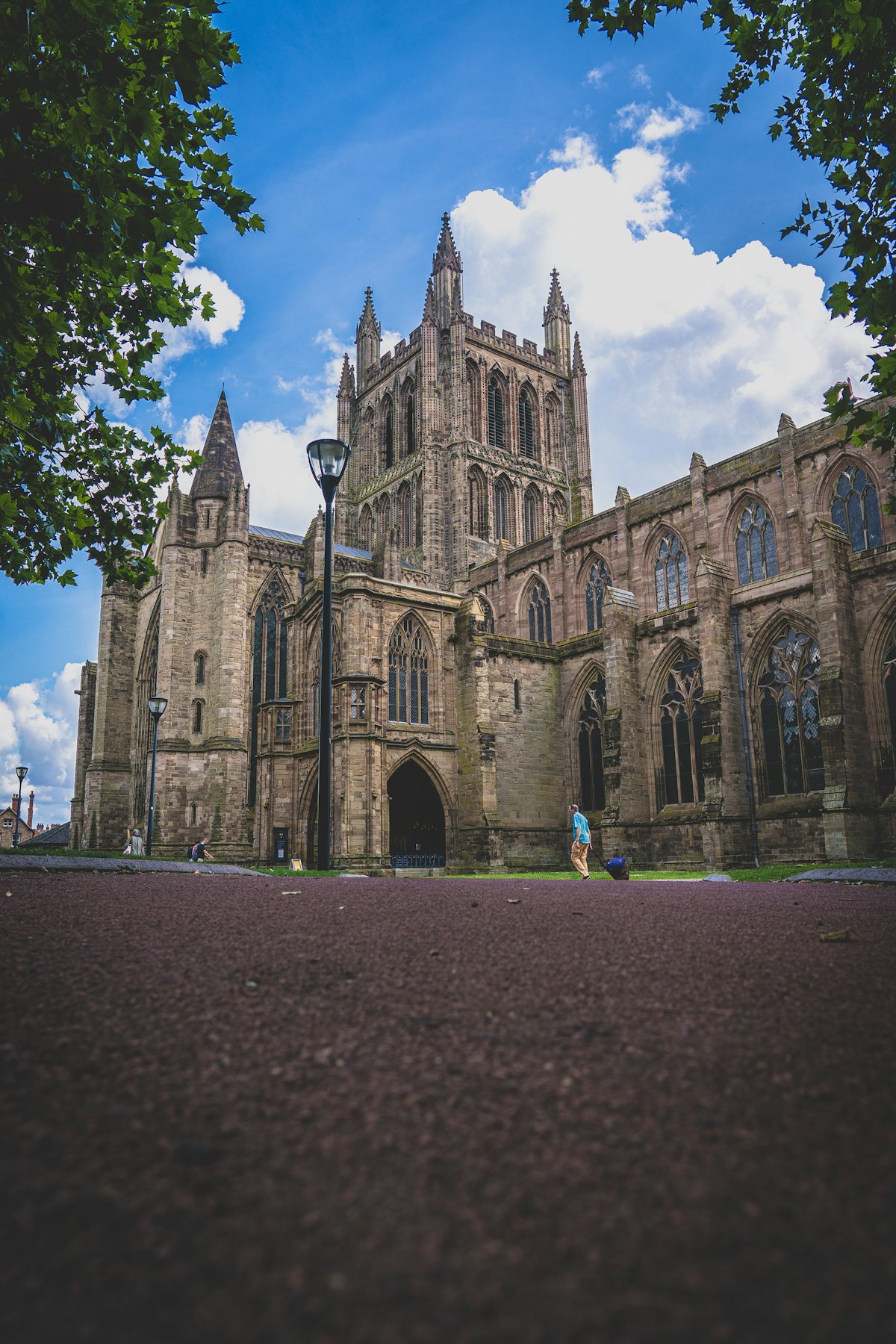
Daylight requirements in Herefordshire sit at the meeting point of local planning policy and nationally recognised technical guidance. Whether you are extending a period property in Hereford, building within one of the county's historic black-and-white market towns, or developing on a rural plot, Herefordshire Council will expect your proposal to protect the daylight, sunlight and amenity of neighbouring homes. This guide explains the adopted policy position and the standards used to assess daylight and sunlight across the county.
Herefordshire is a unitary authority, so the council is the sole Local Planning Authority for the whole county. It determines applications for the city of Hereford, the five market towns of Bromyard, Kington, Ledbury, Leominster and Ross-on-Wye, and the surrounding countryside, which includes parts of the Wye Valley and Malvern Hills Areas of Outstanding Natural Beauty. With no county tier above it, the council's own Local Plan carries decisive weight.
The adopted Local Plan position on daylight requirements in Herefordshire
The current development plan is the Herefordshire Local Plan - Core Strategy 2011-2031, adopted by full council on 16 October 2015. The Core Strategy sets the strategic framework for the county; it is supplemented by neighbourhood development plans in many parishes, and the council has been preparing an emerging Local Plan to take the strategy forward beyond 2031. For daylight and sunlight, two adopted Core Strategy policies are central.
Policy SD1: Sustainable design and energy efficiency
Policy SD1 is the council's principal design policy and the one most directly engaged by daylight and sunlight issues. It requires that development proposals "create safe, sustainable, well integrated environments" and, among other requirements, that they:
- safeguard residential amenity for existing and proposed residents;
- maintain local distinctiveness by respecting the scale, height, proportions and massing of surrounding development;
- make efficient use of land while taking account of local context and site characteristics; and
- use physical sustainability measures including the careful orientation of buildings.
The supporting text leaves no doubt that daylight is part of the amenity being protected. Paragraph 5.3.30 states that "buildings, extensions and spaces must be designed with regard to overlooking, overshadowing and overbearing impacts", and that high quality design can enhance amenity for new residents while insensitive design can adversely affect the quality of life of existing residents. The reference to the careful orientation of buildings is significant: good orientation is the practical means by which daylight and sunlight, both to new homes and from neighbouring ones, are maximised.
Policy LD1: Landscape and townscape
Policy LD1 requires development to respond to the character of the landscape and townscape, including the protection and enhancement of conservation areas and the Areas of Outstanding Natural Beauty. While LD1 is not a daylight policy as such, it matters in Herefordshire because so much of the building stock is historic and tightly grouped, particularly in the black-and-white market towns and Hereford's conservation areas. Schemes there must balance the need for adequate light with the duty to respect a sensitive historic setting, which often constrains the height and footprint of an extension.
Herefordshire's daylight and sunlight guidance: how the standards are applied
Herefordshire does not publish a dedicated daylight and sunlight Supplementary Planning Document, and the Core Strategy does not set its own numerical daylight or sunlight targets or fixed privacy-separation distances. The council's adopted design guidance focuses on character and landscape, most notably the Landscape Character Assessment Supplementary Planning Guidance (2009) referenced in the Core Strategy, rather than on prescriptive light metrics.
In the absence of a local numerical standard, daylight and sunlight effects are assessed against the established national methodology. This is set out in the Building Research Establishment guide BRE BR 209, "Site Layout Planning for Daylight and Sunlight: A Guide to Good Practice" (third edition, 2022). BR 209 provides the recognised tests, including:
- Vertical Sky Component (VSC) and the No Sky Line / daylight distribution test, used to measure the daylight reaching windows of neighbouring properties;
- Annual Probable Sunlight Hours (APSH), used to assess sunlight to windows and the loss of it; and
- overshadowing assessment for gardens and other amenity areas, typically tested on the spring equinox.
For the daylight inside new homes, the relevant target levels are given in the British Standard BS EN 17037 "Daylight in Buildings". Read alongside the National Planning Policy Framework (NPPF), which requires decision-makers to secure a good standard of amenity for existing and future occupants, these documents supply the technical substance that gives Policy SD1 its teeth. In short: the duty to "safeguard residential amenity" in SD1 is, in practice, tested using BRE BR 209 and BS EN 17037.
What this means for applicants across the county
For most householder extensions, the council will look at whether a proposal causes unacceptable overshadowing, loss of light or an overbearing effect on neighbours, in line with paragraph 5.3.30 of the Core Strategy. On a generous rural plot, that judgement may be straightforward. In the closer-grained settings of Hereford or a market town such as Ledbury or Leominster, where buildings often sit close together and may be listed or within a conservation area, the margins are tighter and a numerical daylight and sunlight assessment is frequently the most persuasive evidence.
A professional report prepared to BRE BR 209 does two things. It quantifies the impact of your proposal on neighbouring windows and gardens (VSC, daylight distribution, APSH and overshadowing), and it can confirm that the rooms in your own scheme achieve good internal daylight under BS EN 17037. Providing that analysis with the application demonstrates compliance with Policy SD1 from the outset and reduces the risk of objections, a request for further information, or refusal.
How Fortress Associates can help
Fortress Associates offers our daylight and sunlight report service to homeowners, architects and developers throughout Herefordshire and the rest of the UK. Every report is prepared to BRE BR 209 (2022), BS EN 17037 and the relevant Local Plan policies, so it addresses precisely what Herefordshire case officers assess under Policy SD1. We provide a typical turnaround of 4 to 5 working days and require no advance payment. We also produce Building Regulations drawings to the Approved Documents (Parts A to S) for the construction stage. To discuss a project in Hereford, the market towns or the wider county, please contact our team.
If you are comparing how different authorities handle these issues, our guide to daylight requirements in Halton sets out the position for that borough.
Sources & further reading
Need help with a UK planning project?
Fixed-fee daylight reports and Building Regulations drawings — delivered in 4–5 working days. No advance payment.
Request a free quote