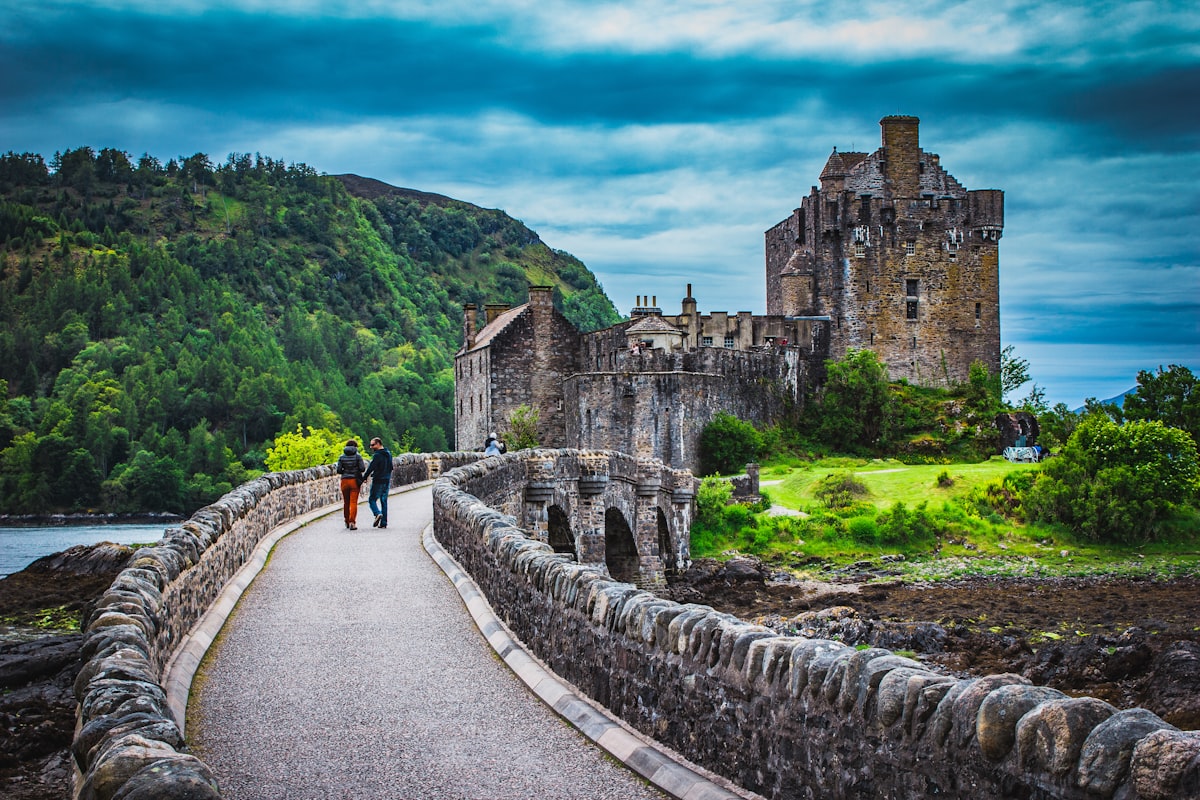
The daylight requirements in Highland apply across one of the largest and most geographically varied planning authorities in the United Kingdom. The Highland Council area stretches from the city of Inverness, through Fort William and Lochaber, to the deeply rural communities of Caithness, Sutherland, Wester Ross and Skye. Whether you are converting a city-centre building in Inverness or building a new house in a remote glen, the Council expects new development to protect the daylight, sunlight and privacy of neighbouring properties and to provide good internal daylight for new homes. This guide explains how those requirements work in the Highland context.
The Highland planning framework
Highland has an unusual development plan structure. Because the area is so large, the statutory development plan is made up of one Highland-wide plan plus a set of more local area plans, all read alongside national policy:
- Highland-wide Local Development Plan (HwLDP), adopted in April 2012. This sets the strategic, area-wide policies that apply everywhere in Highland, including the key design and amenity policies.
- Area Local Development Plans, which set out the spatial strategy and site allocations for each part of the region:
- Inner Moray Firth Local Development Plan 2 (IMFLDP2), adopted in June 2024, covering Inverness and the surrounding Inner Moray Firth area.
- West Highland and Islands Local Development Plan (WestPlan), adopted in September 2019, covering Lochaber (including Fort William), Skye and Lochalsh, and Wester Ross.
- Caithness and Sutherland Local Development Plan (CaSPlan), adopted in August 2018, covering the far north.
- National Planning Framework 4 (NPF4), adopted on 13 February 2023, which forms part of the statutory development plan across Scotland.
For any given site, the relevant area plan must be read together with the HwLDP and NPF4. The daylight and amenity expectations, however, are driven mainly by the HwLDP design policies and supporting guidance.
HwLDP Policy 28 and Policy 29
Two HwLDP policies are central to daylight and amenity:
- Policy 28 – Sustainable Design. This sets out the site-specific criteria against which proposals are assessed, including impact on community and residential amenity and compatibility with the character of the surrounding area. Protecting the privacy and amenity of neighbours – which includes their access to daylight and sunlight – falls within this policy.
- Policy 29 – Design Quality and Place-making. This requires development to be designed to a high standard and to respect the local context, reinforcing the amenity expectations of Policy 28.
These policies are supported by the Council's Sustainable Design Guide, adopted as supplementary guidance, which provides the detailed expectations on layout, separation between dwellings, privacy and overlooking, and which directs the use of established Building Research Establishment (BRE) guidance for daylight and sunlight assessment.
NPF4 Policies 14 and 16
At the national level, the most relevant NPF4 policies are:
- Policy 14 – Design, quality and place, which requires development to be consistent with the six qualities of successful places and not to be detrimental to the amenity of the surrounding area.
- Policy 16 – Quality homes, which seeks well-designed homes and, for relevant proposals, asks how a development will improve the residential amenity of the surrounding area.
Good daylight and sunlight are part of the amenity and design quality that both policies require, and NPF4 applies in addition to the Highland plans.
How daylight and sunlight are assessed in Highland
Highland Council relies on the BRE guide Site Layout Planning for Daylight and Sunlight: a guide to good practice (BRE BR 209), now in its 2022 edition. A competent assessment will normally report against the recognised BRE measures:
Daylight to neighbouring homes
- Vertical Sky Component (VSC): the skylight reaching an existing window. The BRE guide flags a noticeable loss where VSC falls below 27% or to less than 0.8 times its previous value.
- No Sky Line / Daylight Distribution: how much of a room still receives direct skylight after development.
Sunlight
- Annual Probable Sunlight Hours (APSH): checked for windows facing within 90 degrees of due south, with attention to winter sunlight – particularly important at Highland latitudes where the winter sun sits low in the sky.
Internal daylight for new homes
For daylight inside proposed dwellings, assessments reference BS EN 17037 (Daylight in Buildings) alongside BR 209. The 2022 edition of BR 209 was revised to align with BS EN 17037, and the two together set target daylight provision levels for habitable rooms.
Highland's far-northern latitude means low winter sun angles and long shadows. Winter sunlight and overshadowing therefore deserve particular attention in a Highland daylight assessment, even on relatively open sites.
Two things that make Highland distinctive
- A multi-plan area. Unlike most authorities, Highland is covered by several adopted area plans. Identifying the correct area plan – IMFLDP2 for Inverness, WestPlan for Fort William and Lochaber, or CaSPlan for the far north – is the first step, but the daylight and amenity tests flow from the Highland-wide policies in every case.
- From dense town centres to open glens. Daylight pressures in central Inverness or Fort William – where buildings are close together – differ greatly from a single house on a large rural plot. A proportionate assessment focuses on the genuine impact: window-to-window relationships and overshadowing matter most where neighbouring buildings are close.
Practical tips for proposals in Highland
- Confirm your area plan. Check whether your site sits in the Inner Moray Firth, West Highland and Islands, or Caithness and Sutherland plan area before you start.
- Mind the winter sun. At Highland latitudes, winter APSH and overshadowing can be the deciding amenity issue.
- Respect separation and privacy. Follow the Sustainable Design Guide on separation distances and overlooking; where you fall short, explain the daylight and privacy implications.
- Survey the existing situation accurately. Reliable VSC and daylight-distribution results depend on an accurate survey of neighbouring windows and ground levels.
How Fortress Associates can help
Fortress Associates provides our daylight and sunlight report service to BRE BR 209 (2022) and BS EN 17037, set against the relevant Highland area plan, the Highland-wide Local Development Plan and NPF4. We assess impact on neighbouring properties and the internal daylight of proposed homes. We work UK-wide with a typical turnaround of 4 to 5 working days and no advance payment. We also prepare building warrant and Building (Scotland) Regulations drawings if your project needs them. Learn more on our services page or use our contact page.
Sources & further reading
- The Highland Council – Highland-wide Local Development Plan
- BRE – BR 209 Site Layout Planning for Daylight and Sunlight (2022 edition)
- Scottish Government – National Planning Framework 4 (NPF4)
- Fortress Associates – our services
- Daylight Requirements in Glasgow City (related guidance for another Scottish authority)
Need help with a UK planning project?
Fixed-fee daylight reports and Building Regulations drawings — delivered in 4–5 working days. No advance payment.
Request a free quote