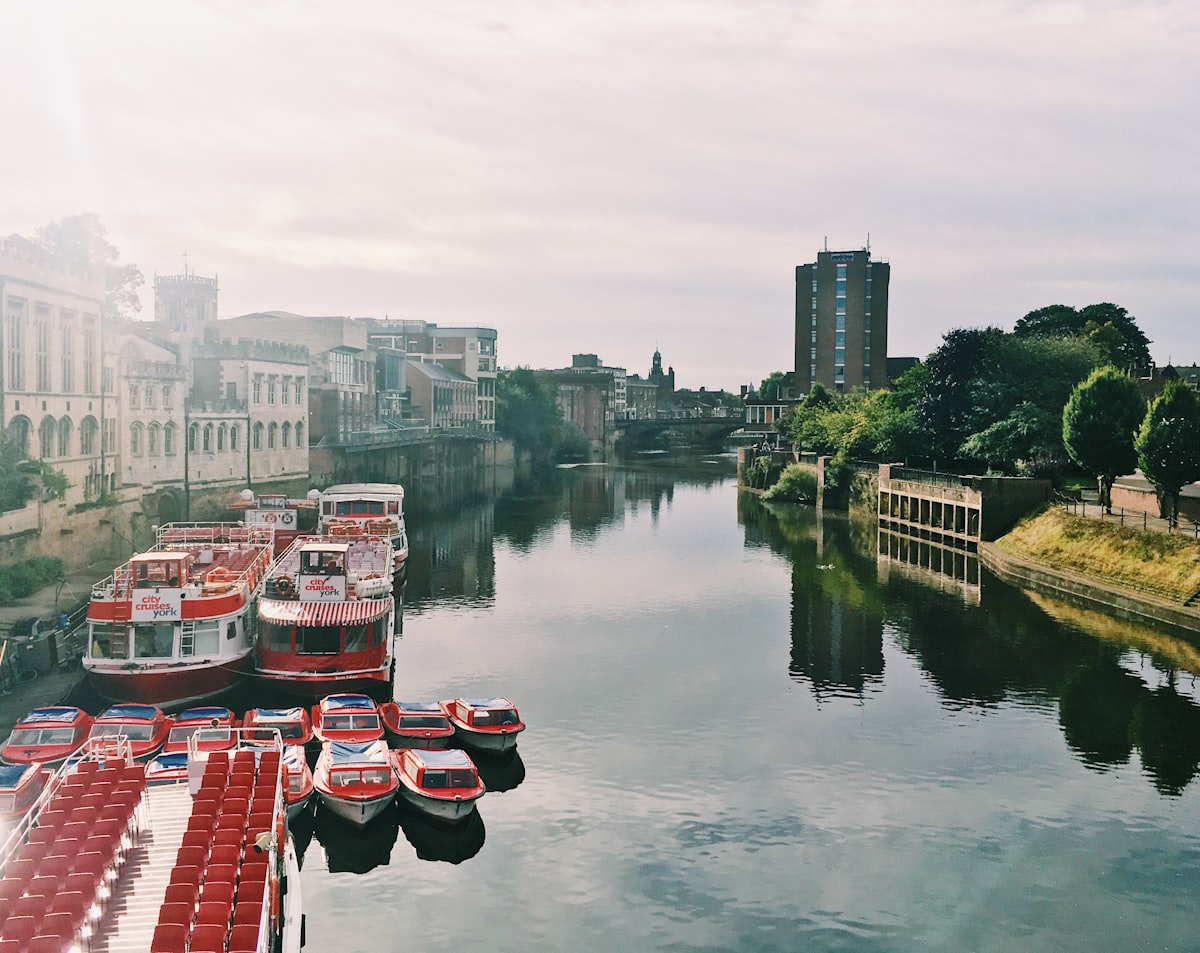
Meeting the daylight requirements in Huntingdonshire is an important part of securing planning permission for residential development across the district, whether you are extending a home in Huntingdon, building a new dwelling on a plot in St Ives or St Neots, or bringing forward a larger scheme in one of the district's villages. Huntingdonshire is a largely rural district of historic market towns and villages along the River Great Ouse, where the relationship of new development to its neighbours — including the daylight and sunlight they receive — is regularly tested by the council.
This guide sets out the local policy position, the design guidance the council expects applicants to follow, and how a well-prepared daylight and sunlight assessment supports your application.
The Huntingdonshire Local Plan to 2036
The local planning authority for development management in the district is Huntingdonshire District Council. The adopted development plan is Huntingdonshire's Local Plan to 2036, adopted at Full Council on 15 May 2019, which sets out the policies used to determine planning applications across the district.
Three adopted policies are particularly relevant to daylight, sunlight and residential amenity:
- Policy LP11: Design Context — proposals are supported where they respond positively to their context, which includes the form and spacing of surrounding buildings that govern light between properties.
- Policy LP12: Design Implementation — new development is expected to be well designed, contributing positively to the area's character and successfully integrating with adjoining buildings and landscape.
- Policy LP14: Amenity — the key amenity policy, supporting proposals where a high standard of amenity is provided for the occupiers of the development and maintained for the occupiers of neighbouring land and buildings. In practice, this is the policy under which the council assesses acceptable levels of daylight and sunlight, both within new homes and to existing neighbours.
Together these policies mean that a scheme which would unacceptably reduce daylight or sunlight to a neighbour's habitable rooms or garden, or which would fail to provide adequate light within the new accommodation, is likely to conflict with the Local Plan.
Daylight guidance: the Huntingdonshire Design Guide SPD
Huntingdonshire has its own adopted design guidance to support these policies. The Huntingdonshire Design Guide Supplementary Planning Document (SPD), adopted on 16 March 2017, provides detailed design expectations for development in the district, including the treatment of amenity, privacy and the relationship between new and existing buildings. It is a material consideration in determining applications and is the document that fleshes out how Policies LP11, LP12 and LP14 are applied to real schemes.
The council also publishes householder application guidance and validation checklists for those proposing extensions and other domestic works, setting out the information needed for a valid application. Where a proposal raises a realistic prospect of harm to a neighbour's light, the council will expect that issue to be addressed with appropriate evidence.
The national technical standards
For Huntingdonshire applications, the recognised technical benchmarks come from the BRE guide, now in its 2022 edition, BR 209: Site Layout Planning for Daylight and Sunlight — A Guide to Good Practice. This sets out the tests used in practice:
- Vertical Sky Component (VSC) and the no-sky line / daylight distribution test for daylight to neighbouring windows and rooms;
- Annual Probable Sunlight Hours (APSH) for sunlight to neighbouring windows; and
- overshadowing tests for gardens and amenity areas.
BRE also provides the familiar "rule of thumb" tests, such as the 45 degree test, which are often used as a first screen for householder extensions. Daylight provision within new dwellings is assessed against BS EN 17037, the British and European standard for daylight in buildings. At the national level, the National Planning Policy Framework (NPPF) requires development to provide a high standard of amenity and avoid unacceptable harm to living conditions — an objective delivered locally through Policy LP14 and the Design Guide.
Local factors that matter in Huntingdonshire
- Historic market towns. Huntingdon, St Ives and St Neots have historic cores and conservation areas with tightly grouped buildings, where extensions and infill can readily raise loss-of-light and overshadowing concerns.
- Riverside and village settings. Development along the River Great Ouse and in the district's many villages must respect established patterns of spacing and amenity space that influence daylight and sunlight between dwellings.
- An updating plan. The council has agreed to begin a full update of its adopted Local Plan. The Local Plan to 2036 remains the adopted plan for now, but applicants should keep emerging policy in view as it progresses.
What your daylight and sunlight assessment should show
- Identify the neighbouring habitable rooms and amenity spaces that could be affected by the proposal.
- Apply the BRE BR 209 (2022) tests — VSC, daylight distribution, APSH and overshadowing — and report the results against the recognised guideline values.
- Where relevant, assess daylight within the proposed dwellings against BS EN 17037.
- Relate the findings to Policies LP11, LP12 and LP14 and the Huntingdonshire Design Guide SPD so the case officer can weigh the evidence against adopted policy.
How Fortress Associates can help
Fortress Associates prepares clear, policy-aware daylight and sunlight assessments for sites across Huntingdonshire, including Huntingdon, St Ives and St Neots. Our daylight and sunlight report service follows BRE BR 209 (2022) and BS EN 17037 and references the relevant Local Plan policies and the Design Guide SPD so your report addresses the council directly. We work UK-wide with a 4 to 5 working day turnaround and no advance payment. See our services or get in touch via our contact page. For a neighbouring authority, you may also find our guide to daylight requirements in South Cambridgeshire useful.
Sources & further reading
Need help with a UK planning project?
Fixed-fee daylight reports and Building Regulations drawings — delivered in 4–5 working days. No advance payment.
Request a free quote