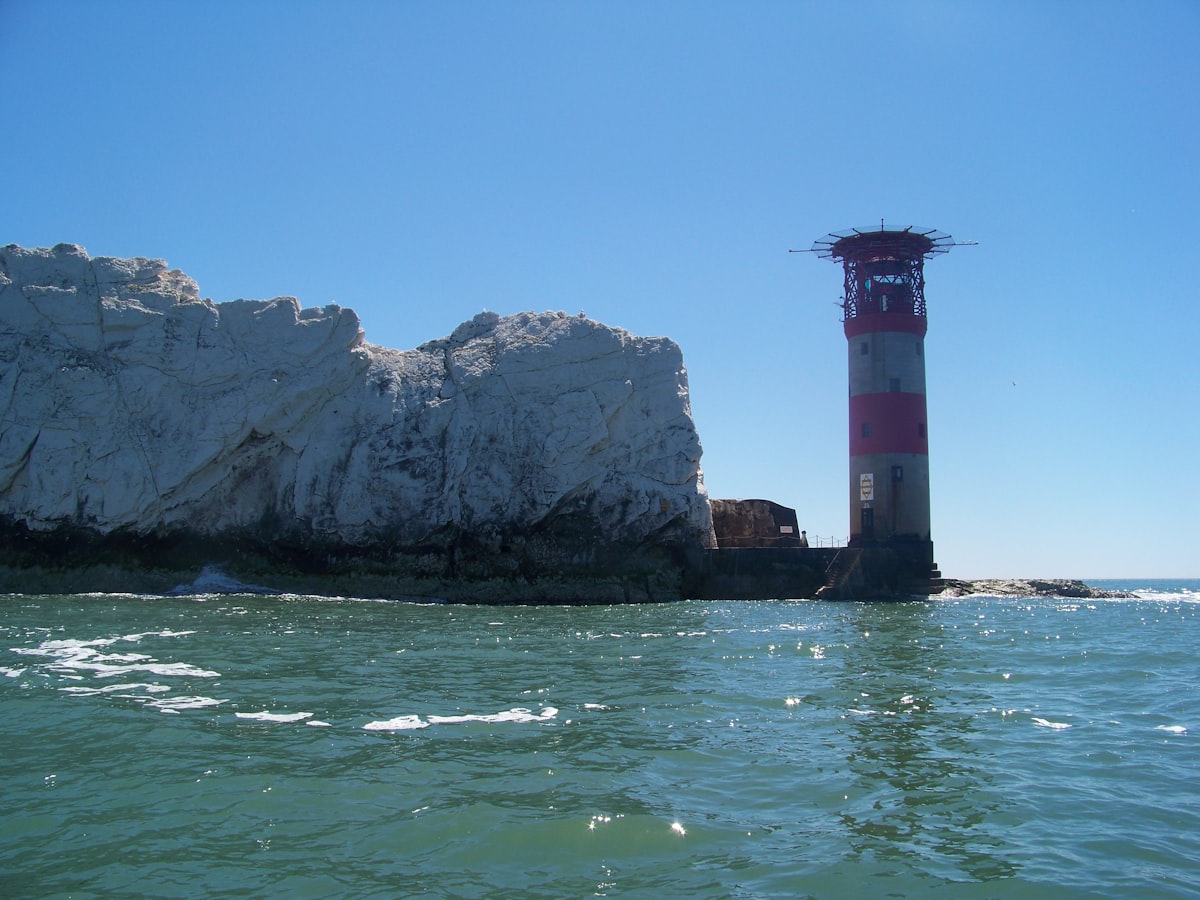
Understanding daylight requirements in the Isle of Wight is essential for anyone planning a new home, an extension or a larger residential scheme on the Island. As a unitary authority, the Isle of Wight Council is the sole local planning authority (LPA) for the whole Island, so a single planning framework governs how daylight, sunlight and residential amenity are assessed from Cowes to Ventnor and from Yarmouth to Bembridge. This article explains the adopted and emerging planning policy position, the national technical standards that apply, and how to give your proposal the best possible footing.
The planning framework for the Isle of Wight
The statutory development plan for the Island is the Island Plan Core Strategy, adopted by the Isle of Wight Council on 21 March 2012 and covering the plan period to 2027. The Core Strategy contains the Council's Development Management policies, which are the policies most often engaged when daylight and sunlight are in question.
The two policies most relevant to residential amenity and overshadowing are:
- Policy DM2 – Design Quality for New Development. This is the principal design policy. It requires development to be of high quality and to respect the amenities of neighbouring occupiers and the character of the surrounding area. Loss of light, overshadowing, overlooking and loss of privacy are all matters assessed under this policy.
- Policy DM12 – Landscape, Seascape, Biodiversity and Geodiversity. Because so much of the Island is sensitive in landscape terms, this policy frames how the scale and massing of development – which in turn drives its daylight and overshadowing impact – must respond to its setting, including the Isle of Wight National Landscape.
The Island's planning policy is in transition. The Council has prepared a new local plan, the Island Planning Strategy 2022–2037, which was submitted to the Secretary of State for independent examination on 31 October 2024. Examination hearings were held in 2025, and the Council ran further public consultation on proposed main modifications between December 2025 and January 2026. Until the Island Planning Strategy is adopted, the 2012 Core Strategy remains the adopted development plan, but applicants should keep an eye on the emerging policies, which carry increasing weight as the plan advances through examination.
Daylight requirements in the Isle of Wight: is there a specific local standard?
The honest position is that the Isle of Wight Council does not publish a numerical daylight and sunlight standard of its own, nor a dedicated daylight and sunlight Supplementary Planning Document. There is no bespoke Vertical Sky Component target or set-back formula written into Island policy. Instead, Policy DM2 sets the amenity principle, and the technical assessment of whether a proposal is acceptable is carried out against the recognised national methodology.
That methodology rests on three pillars:
- BRE BR 209 (2022), Site Layout Planning for Daylight and Sunlight: A Guide to Good Practice. This is the standard reference for assessing daylight to neighbouring windows (Vertical Sky Component and the daylight distribution / no-sky-line test), sunlight (Annual Probable Sunlight Hours), and overshadowing of gardens and amenity space.
- BS EN 17037:2018 Daylight in Buildings. The European standard increasingly used to demonstrate adequate daylight, sunlight, view out and the avoidance of glare inside new dwellings.
- The National Planning Policy Framework (NPPF). The NPPF requires good design and a high standard of amenity for existing and future occupiers, and encourages authorities to apply daylight and sunlight guidance flexibly where it would otherwise inhibit appropriate development.
In practice this means a daylight and sunlight report prepared to BRE BR 209 (2022), supported where appropriate by BS EN 17037, is the most reliable way to demonstrate compliance with Policy DM2 on the Island. The Council's validation requirements may call for such an assessment where a proposal could affect the light reaching neighbouring habitable rooms or gardens, particularly in the Island's denser town centres.
Local factors that shape daylight assessments on the Island
Several features of the Isle of Wight have a direct bearing on how daylight and sunlight should be assessed here:
The Isle of Wight National Landscape
The Isle of Wight Area of Outstanding Natural Beauty was designated in 1963 and was re-styled the Isle of Wight National Landscape in 2023. It covers roughly half the land area of the Island – about 191 square kilometres – across five separate parcels of coast and downland. Within and adjacent to the National Landscape, the acceptable height and bulk of a building is tightly constrained, which in turn limits how much a scheme can overshadow its neighbours. Designers often have to balance the desire for generous internal daylight against a landscape-led restriction on massing.
Dense, historic coastal towns
Towns such as Cowes, Ryde, Newport and Ventnor contain tightly packed Victorian and Georgian terraces, narrow streets and steeply sloping plots. Infill and extension proposals in these areas are the most likely to raise daylight, sunlight and overshadowing concerns for neighbouring properties, and the most likely to need a BRE-based assessment to support a planning application.
Topography and coastal orientation
The Island's varied topography – from the chalk downs to the sheltered Undercliff at Ventnor – means that orientation, slope and existing obstructions vary enormously from site to site. A robust daylight and sunlight assessment models the actual context rather than relying on rules of thumb.
What a daylight and sunlight report should contain
A report that will satisfy the Isle of Wight Council and stand up at appeal typically covers:
- An accurate 3D model of the proposal and its surroundings, based on a measured survey.
- Daylight to neighbours – Vertical Sky Component and daylight distribution (no-sky-line) tests to BR 209 (2022).
- Sunlight to neighbours – Annual Probable Sunlight Hours, including the winter probable sunlight hours.
- Overshadowing of neighbouring gardens and amenity areas – the BRE two-hour-on-21-March sun-on-ground test.
- Internal daylight and sunlight for the proposed dwellings, assessed against BS EN 17037 where relevant.
- A clear interpretation that relates the numerical results back to Policy DM2 and the NPPF.
How Fortress Associates can help
Fortress Associates provides nationwide our daylight and sunlight report service for Island householders, architects and developers. Every report is prepared to BRE BR 209 (2022) and, where appropriate, BS EN 17037, and is written to address Isle of Wight Council policy directly. We work to a 4–5 working day turnaround and ask for no advance payment. We also prepare Building Regulations drawings to the Approved Documents (Parts A–S). To discuss a site on the Island, get in touch with our team.
Sources & further reading
Need help with a UK planning project?
Fixed-fee daylight reports and Building Regulations drawings — delivered in 4–5 working days. No advance payment.
Request a free quote