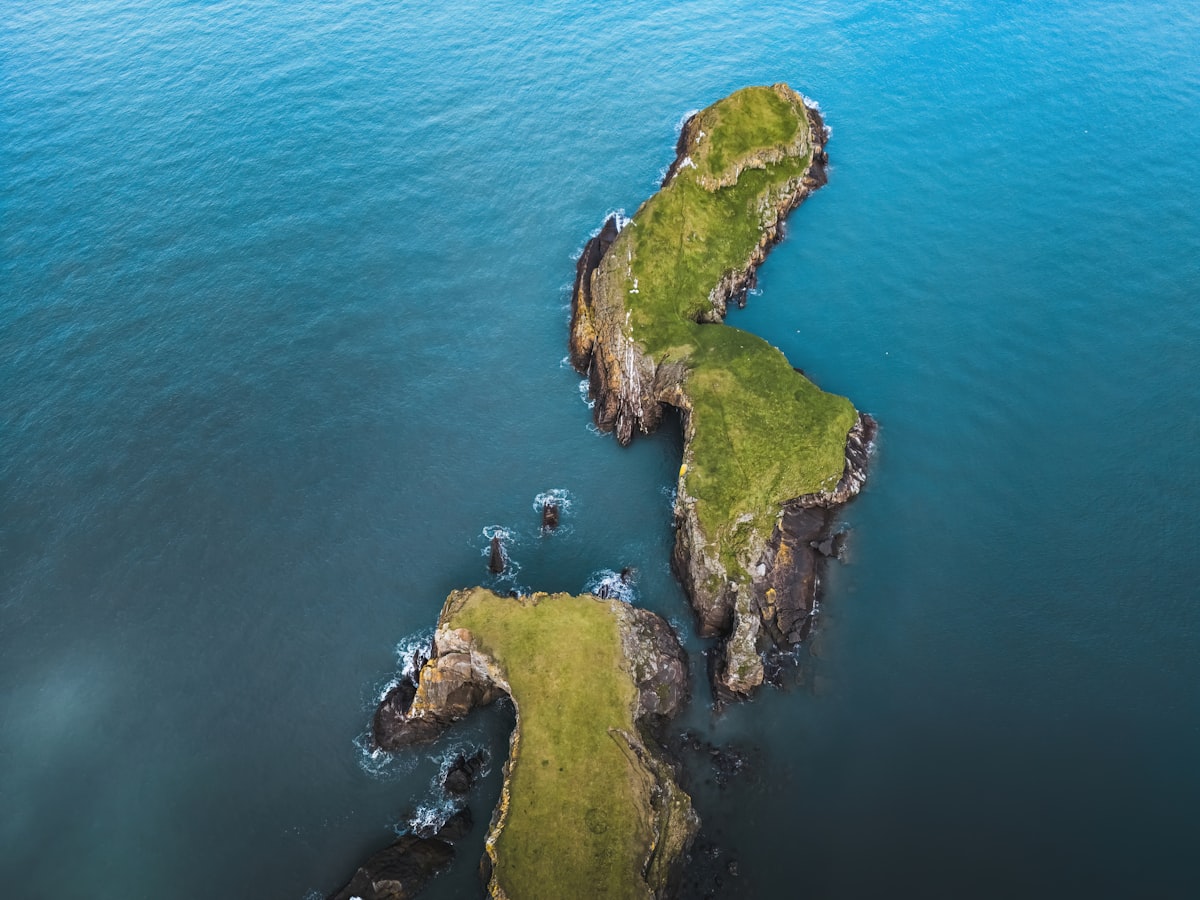
The Isles of Scilly are the smallest local planning authority in the United Kingdom, but the principles governing daylight requirements in the Isles of Scilly are no less important than anywhere else. With around 2,200 residents across five inhabited islands, the Council of the Isles of Scilly acts as the sole local planning authority, and a single, distinctive development plan applies to every home, extension and new building on St Mary's, Tresco, St Martin's, Bryher and St Agnes. This guide sets out the real policy position honestly, names the relevant standards, and explains what an assessment needs to show.
The planning framework for the Isles of Scilly
The statutory development plan is the Isles of Scilly Local Plan 2015–2030, adopted on 25 March 2021. It replaced the older 2005 Local Plan, which has been revoked. Because the islands are so small and so heavily protected, the Local Plan is unusually integrated: a single document covers strategy, housing, the natural and historic environment and design, and every proposal is read against the plan as a whole.
Two policies are most relevant to daylight, sunlight and residential amenity:
- Policy SS2 – Sustainable quality design and place-making. This is the principal design policy. It requires development to be well designed and to protect the residential amenities of neighbouring properties. It is the policy under which loss of light, overshadowing, overlooking and loss of privacy to neighbours are weighed.
- Policy OE4 – Protecting Scilly's Dark Skies. This policy is distinctive to the islands. It restricts external lighting to what is essential for safety, security or community reasons, and specifically addresses skyglow, light nuisance and glare. While dark-skies policy is about artificial light rather than natural daylight, it sits alongside SS2 to form an unusually light-conscious planning regime.
Daylight requirements in the Isles of Scilly: the honest position
It is important to be candid about how much council-specific daylight guidance exists here, because the Isles of Scilly is a genuinely minimal authority in this respect. There is no dedicated daylight and sunlight Supplementary Planning Document, and the Local Plan does not set a numerical daylight target such as a Vertical Sky Component figure or a fixed separation distance. Policy SS2 establishes the amenity principle, and the detailed technical assessment is carried out against national standards rather than a bespoke local metric.
What the council does have, and what makes Scilly notable, is an explicit validation trigger. The council's Full planning application validation checklist (November 2025) includes a Light Assessment item. Under that item, an applicant must confirm either that a light assessment is included because the proposal could impact light levels or the amenity of neighbouring properties, or that none is needed because there is no such impact. In practice this means that where a scheme could reduce the daylight or sunlight reaching a neighbour's windows or garden, the council expects a supporting assessment to be submitted with the application.
That assessment is judged against the recognised national framework:
- BRE BR 209 (2022), Site Layout Planning for Daylight and Sunlight: A Guide to Good Practice – the standard reference for daylight to neighbours (Vertical Sky Component and the no-sky-line / daylight distribution test), sunlight (Annual Probable Sunlight Hours) and overshadowing of amenity areas.
- BS EN 17037:2018 Daylight in Buildings – used to demonstrate adequate daylight, sunlight, view out and the avoidance of glare for the occupants of new dwellings.
- The National Planning Policy Framework (NPPF) – which requires good design and a high standard of amenity for existing and future occupiers, and supports a flexible, context-sensitive application of daylight guidance.
Local factors that shape daylight assessments on Scilly
The island context is central to how any daylight or amenity case is argued here.
A wholly designated landscape
The entire archipelago is designated. The Isles of Scilly became the nation's 33rd Area of Outstanding Natural Beauty when the designation was confirmed in 1976 (now styled the Isles of Scilly National Landscape) and, at roughly 16 square kilometres, it is the smallest such area in the country. The whole of the inhabited islands was also designated a Conservation Area in 1975 and defined as a Heritage Coast. There is effectively no land on Scilly that sits outside a major landscape or heritage designation, so the scale, height and massing of any building are tightly controlled. That constraint naturally limits how much one building can overshadow another, but it also means design solutions to a daylight problem must respect a very sensitive setting.
Traditional density and granite settlements
Hugh Town on St Mary's and the older settlements on the off-islands contain tightly grouped traditional cottages, narrow lanes and small plots. Infill, replacement dwellings and extensions in these clustered settlements are the proposals most likely to raise overshadowing, overlooking and loss-of-light concerns, and therefore the most likely to need a Light Assessment to accompany the application.
Exposure, orientation and a maritime climate
Scilly's exposed, low-lying maritime setting means orientation, shelter and existing obstructions vary markedly between sites. A robust daylight and sunlight assessment models the actual surroundings rather than relying on generic rules of thumb.
What a daylight and sunlight report should contain
A report that will satisfy the council and stand up to scrutiny typically includes:
- An accurate 3D model of the proposal and its neighbours, based on a measured survey.
- Daylight to neighbours – Vertical Sky Component and daylight distribution (no-sky-line) tests to BR 209 (2022).
- Sunlight to neighbours – Annual Probable Sunlight Hours, including winter sunlight.
- Overshadowing of neighbouring gardens and amenity space – the BRE two-hour sun-on-ground test for 21 March.
- Internal daylight and sunlight for the new accommodation, assessed against BS EN 17037 where relevant.
- A clear interpretation linking the results back to Policy SS2, the council's Light Assessment requirement and the NPPF.
How Fortress Associates can help
Fortress Associates provides nationwide our daylight and sunlight report service for householders, architects and developers across the Isles of Scilly. Every report is prepared to BRE BR 209 (2022) and, where appropriate, BS EN 17037, and is written to address the council's policies and validation requirements directly. We work to a 4–5 working day turnaround and ask for no advance payment. We also prepare Building Regulations drawings to the Approved Documents (Parts A–S). To discuss a site on the islands, get in touch with our team.
Sources & further reading
Need help with a UK planning project?
Fixed-fee daylight reports and Building Regulations drawings — delivered in 4–5 working days. No advance payment.
Request a free quote