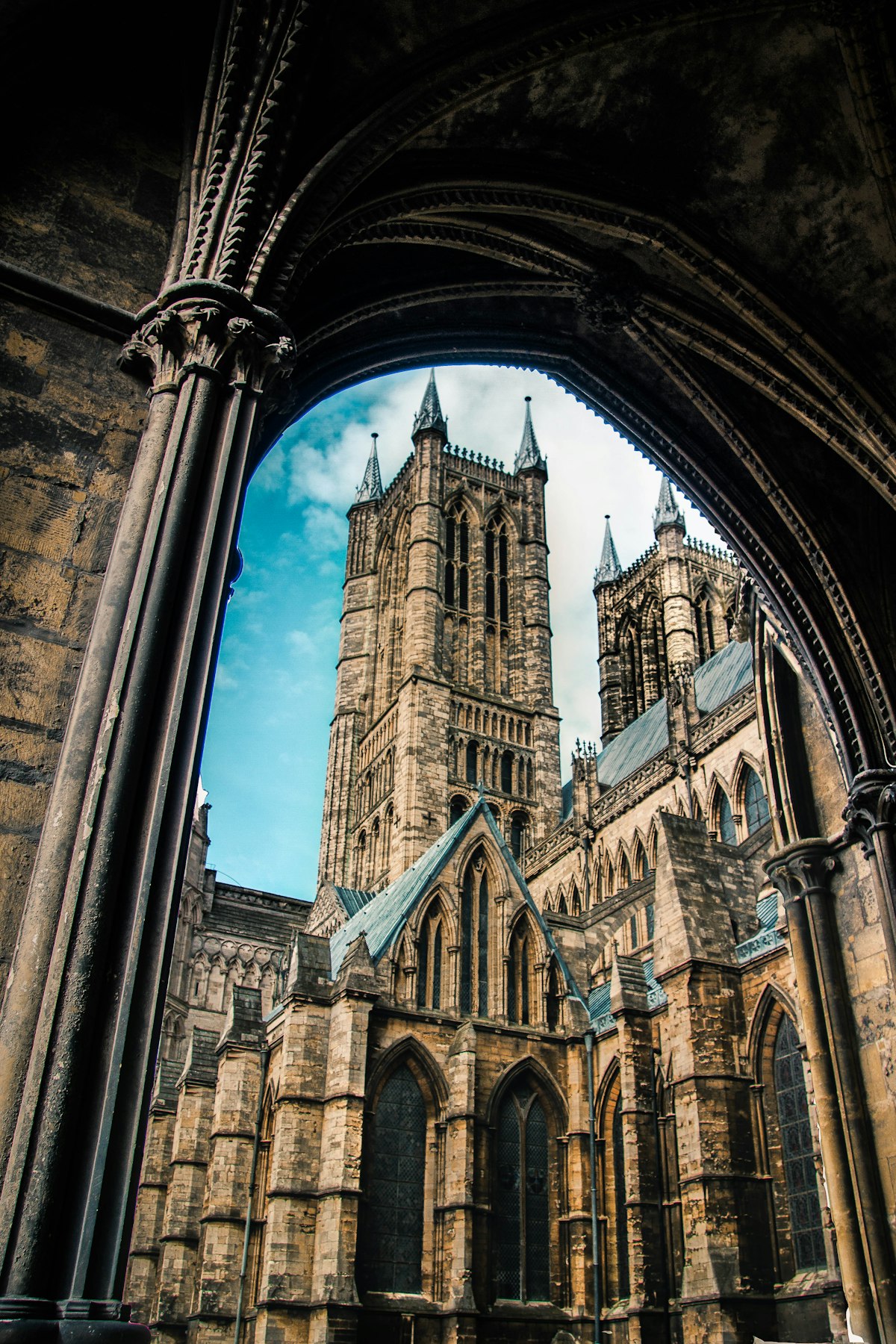
Understanding the daylight requirements in Lincoln is important for anyone proposing a house extension, an infill dwelling or a larger residential or mixed-use scheme in the city, whether on the slopes below Lincoln Cathedral and the castle, along the historic climb of Steep Hill, or in the more suburban neighbourhoods on the city's edge. The City of Lincoln Council is the local planning authority (LPA) that determines these applications; Lincolnshire County Council is the upper-tier authority but is not the body that decides most householder and residential proposals. This guide explains how daylight, sunlight and amenity are weighed locally, which adopted policies apply, and what a recognised assessment involves.
Daylight requirements in Lincoln: the Central Lincolnshire Local Plan
Lincoln does not have a development plan of its own. Instead it is covered by the Central Lincolnshire Local Plan, a joint plan adopted on 13 April 2023 by the Central Lincolnshire Joint Strategic Planning Committee. The same plan covers three local planning authorities - the City of Lincoln Council, North Kesteven District Council and West Lindsey District Council - and it replaced the previous Central Lincolnshire Local Plan adopted in 2017. Although the plan is prepared jointly, planning applications in the city are still decided by City of Lincoln Council as the relevant LPA. (If your project sits just outside the city, see our companion guide to the daylight requirements in North Kesteven, which is covered by the same joint plan.)
The central policy for daylight, sunlight and amenity is Policy S53: Design and Amenity, in the plan's Design chapter. Policy S53 is structured around the ten characteristics of the National Design Guide, and it applies to "all development, including extensions and alterations to existing buildings". Each proposal is assessed against the relevant criteria under those ten themes.
Policy S53 and the daylight and sunlight tests
The amenity criterion is set out under theme 8 (Homes and Buildings). Among other things, Policy S53 requires that development proposals will:
"Not result in harm to people's amenity either within the proposed development or neighbouring it through overlooking, overshadowing, loss of light or increase in artificial light or glare." (criterion 8d)
This is one of the most directly worded daylight and sunlight tests in any local plan: it names overshadowing and loss of light explicitly, and it protects both the occupiers of the new development and its neighbours. Other parts of the same policy reinforce the point. Theme 3 (Built Form) asks for development to be appropriate to its context in terms of "siting, height, scale, massing, form, rhythm, plot widths, gaps between buildings" - the very factors that determine whether a scheme overshadows or overbears on its surroundings - and theme 7 (Uses) requires that new development be "compatible with neighbouring land uses" and provide a satisfactory standard of amenity for future occupiers.
Design guidance and the historic city
Policy S53 expressly anticipates the use of design codes informed by the National Model Design Code, and the Central Lincolnshire authorities have produced a Central Lincolnshire Design Code to guide the quality of new development across the area. Where a code has been adopted for a particular place, development is expected to adhere to it. Lincoln is also singled out in the plan's urban-character provisions: the Built Environment chapter notes that Lincoln is "a world class Cathedral City" with a historic core of national importance, and Policy S57 (The Historic Environment) requires proposals affecting heritage assets and their settings to consider "scale, design, architectural detailing, materials, siting, layout, mass, use, and views and vistas". In the densely built, sloping streets of the historic uphill area, those design and amenity considerations and the daylight and sunlight enjoyed by neighbours are closely connected.
The city does not publish a separate numerical daylight and sunlight Supplementary Planning Document. Where a proposal raises a realistic prospect of harm to a neighbour's daylight or sunlight, or to the living conditions of future occupiers, the practical expectation is that this is demonstrated against the recognised national methodology: the Building Research Establishment guidance, BRE BR 209: Site Layout Planning for Daylight and Sunlight - A Guide to Good Practice (2022 edition), read alongside the British Standard BS EN 17037 on daylight in buildings. The National Planning Policy Framework (NPPF) supports securing well-designed places and a good standard of amenity for existing and future users, and these national documents are applied through Policy S53 above. BR 209 provides the technical tests that allow the policy language - "overshadowing", "loss of light" - to be measured objectively rather than argued.
What a daylight and sunlight assessment involves
A BRE-based assessment typically considers two questions: the daylight and sunlight enjoyed by neighbouring properties, and the daylight and sunlight that future occupiers of the proposed development will receive. The principal tests include:
- Vertical Sky Component (VSC) - the amount of skylight reaching the centre of a neighbour's window, with a guideline value of 27%, or no worse than 0.8 times its former value;
- Daylight distribution (no-sky line) - how daylight is spread across the depth of a room;
- Annual Probable Sunlight Hours (APSH) - the sunlight reaching windows with a significant southerly aspect, assessed across the whole year and the winter months;
- Overshadowing of gardens and amenity areas - using the sun-on-ground test at the equinox.
A clear, BRE-compliant report helps a City of Lincoln planning officer judge a proposal against Policy S53, and in particular criterion 8d. It is especially valuable for terraced and tightly packed plots in the historic uphill streets, where back-to-back relationships and changes in level make overshadowing a frequent concern; for rear and two-storey side extensions across the city's Victorian and inter-war suburbs; and for taller apartment or student schemes near the centre. A robust assessment cannot promise consent - no report can - but it gives officers the evidence to reach a sound decision and helps applicants design out problems before submission.
How Fortress Associates can help
Fortress Associates prepares our daylight and sunlight report service to BRE BR 209 (2022) and BS EN 17037 for projects across Lincoln and the wider Central Lincolnshire area. We work nationwide with a typical 4 to 5 working day turnaround and ask for no advance payment. You can see the full range on our services page or contact us to discuss your site. We also produce Building Regulations drawings where these are needed alongside a planning submission.
Sources & further reading
- City of Lincoln Council - Local Plan Policies (Central Lincolnshire Local Plan 2023)
- Central Lincolnshire - Adopted Local Plan 2023
- BRE - BR 209: Site Layout Planning for Daylight and Sunlight (2022)
- GOV.UK - National Planning Policy Framework
- Fortress Associates daylight and sunlight reports and our services
Need help with a UK planning project?
Fixed-fee daylight reports and Building Regulations drawings — delivered in 4–5 working days. No advance payment.
Request a free quote