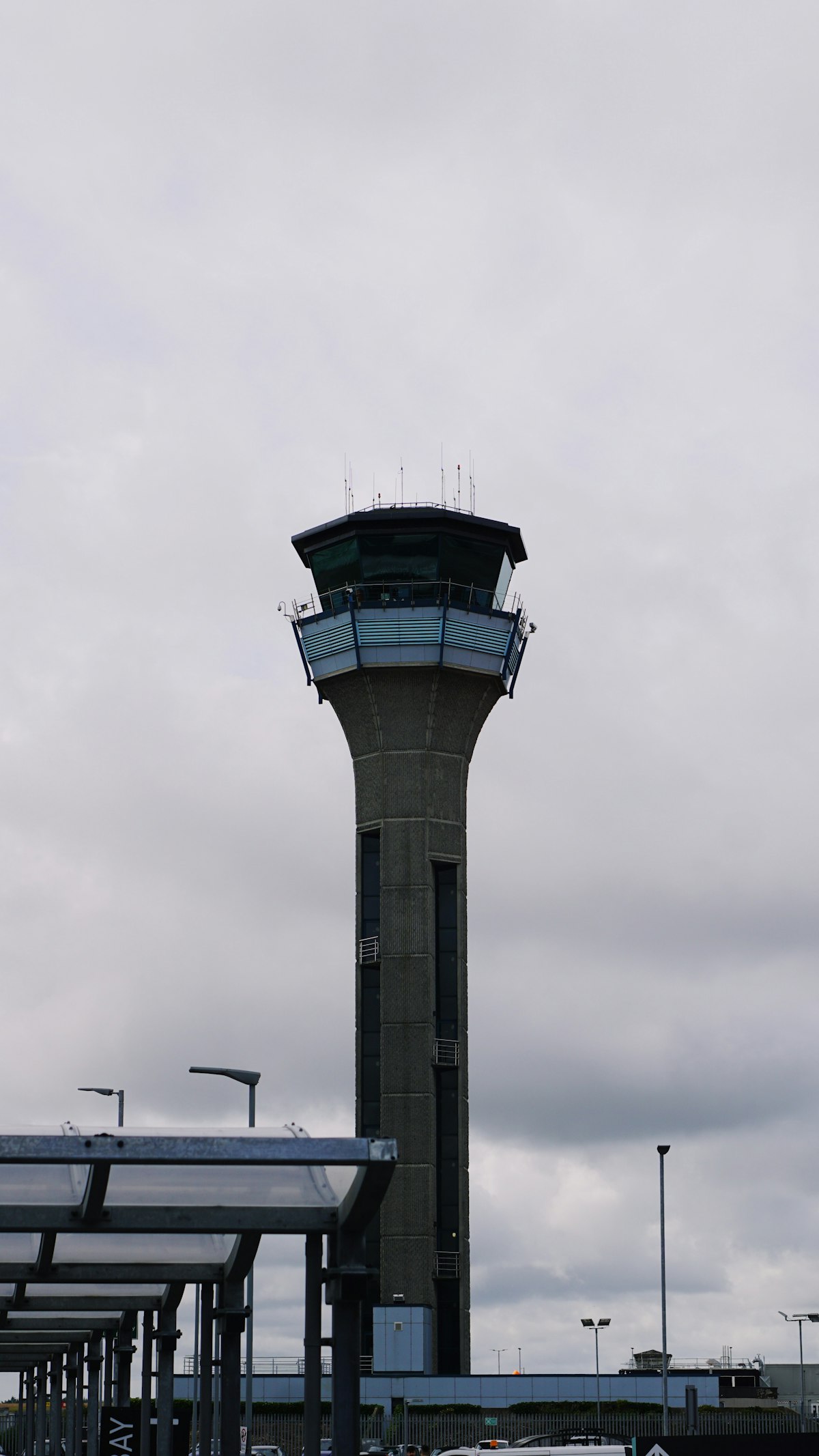
Understanding the daylight requirements in Luton is essential for anyone planning a house extension, a flat conversion, a town-centre apartment scheme or a backland infill plot. Luton is a unitary authority, which means Luton Borough Council acts as the Local Planning Authority (LPA) for the whole of the town, from Stopsley and Bushmead to High Town, the town centre and the areas around London Luton Airport. There is no separate county tier to consider, so the council's own development plan and adopted guidance set the framework against which the daylight and sunlight effects of a proposal are judged.
This guide explains how daylight and sunlight are dealt with in Luton: the adopted Local Plan and its design policies, the emerging new Local Plan, and the national technical guidance that the council relies on when no local numerical standard exists. It is written for homeowners, developers, architects and agents who want to understand what the council will expect before an application is submitted.
Daylight requirements in Luton: the policy framework
The statutory development plan for the town is the Luton Local Plan 2011-2031, which the council formally adopted in November 2017. It replaced the earlier Luton Local Plan and the saved policies that preceded it, and it sets out the vision, objectives and spatial strategy for Luton up to 2031.
The principal policy for design and residential amenity is Policy LLP25 (High Quality Design). This policy requires development to be of a high quality that responds positively to its townscape, street scene and building context, and to create quality places that do not unacceptably harm the amenity of nearby occupiers. In practice, when officers and inspectors assess applications in Luton, the impact of a proposal on neighbouring living conditions, including loss of light, outlook, privacy and an overbearing or enclosing effect, is weighed under LLP25. It works alongside Policy LLP1 (Presumption in favour of sustainable development), which frames how the council determines applications in line with national policy.
It is worth being precise about what this means for light. The Local Plan does not set out its own numerical daylight or sunlight targets such as a Vertical Sky Component figure or a no-sky-line test. Instead, amenity, including daylight and sunlight, is protected through the qualitative wording of the design and amenity policies. When a numerical assessment is needed to demonstrate that a scheme is acceptable, the council looks to the recognised national technical guidance rather than to a local formula.
Is there a daylight or sunlight SPD in Luton?
Luton Borough Council does not publish a dedicated daylight and sunlight Supplementary Planning Document or a residential extensions design guide that sets out its own numerical light standards. The council's adopted supplementary guidance includes documents such as the Sustainable Design Guide and the Luton Town Centre Design Guide SPD, which deal with broader matters of design quality, placemaking and the character of the town centre. These influence the form and massing of development, which in turn affects light, but they are not a substitute for a technical daylight and sunlight assessment.
Because there is no local numerical standard, the established national benchmark applies. The Building Research Establishment's guidance, BRE BR 209 – Site Layout Planning for Daylight and Sunlight: A Guide to Good Practice (2022 edition), is the document the council and planning inspectors use to measure daylight and sunlight effects. It is supported by the daylight provision recommendations in BS EN 17037, and both sit within the wider expectations of the National Planning Policy Framework (NPPF) that new development should provide a good standard of amenity for existing and future occupiers. These nationally recognised tests are applied through the amenity wording of the Local Plan.
The emerging new Local Plan
Luton is preparing a new Local Plan to succeed the 2011-2031 plan and to help deliver the wider Luton 2040 vision for the town. The council carried out early consultation on an issues and options stage, together with a call for sites, over the winter of 2024 and into early 2025, and the new plan is expected to take several years to complete. Until that plan is adopted, the adopted Luton Local Plan 2011-2031 remains the development plan against which applications are determined, so its design and amenity policies, and the BRE-based approach to daylight and sunlight, continue to apply. Applicants should nonetheless keep an eye on the emerging plan, particularly for sites in and around the town centre where significant regeneration and taller buildings are anticipated.
What this means for your application
Two local features make daylight and sunlight a recurring issue in Luton. First, the town centre is the focus of regeneration and the Luton 2040 ambitions, and taller, denser residential schemes in this area routinely raise questions about daylight to new flats and to existing neighbours, as well as overshadowing of streets and amenity space. Second, much of Luton's housing is in tightly packed Victorian and Edwardian terraces and inter-war suburban streets, where rear extensions, loft conversions and infill development can readily affect a neighbour's windows and gardens. In both situations a clear, BR 209-based daylight and sunlight report is the most reliable way to show the council that a scheme is acceptable.
A daylight and sunlight assessment is most likely to be needed where your proposal:
- is a multi-storey or town-centre development that introduces additional height or massing;
- is a rear or side extension close to a neighbouring boundary, particularly where there are windows to habitable rooms nearby;
- creates new dwellings, including flat conversions and backland infill, where the daylight and sunlight available to future occupiers must be demonstrated;
- is in a conservation area or a sensitive townscape context where amenity and design are scrutinised together; or
- has prompted a neighbour objection on the grounds of loss of light, overshadowing or an overbearing effect.
Even where the council does not formally require a report on the validation checklist, a robust assessment prepared to BRE BR 209 (2022) is often the most persuasive way to address objections and to give officers the technical comfort they need to recommend approval. It can also identify a design change, such as a modest reduction in projection or a repositioned window, that resolves a problem before it becomes a reason for refusal.
How Fortress Associates can help
Fortress Associates is a UK daylight and sunlight consultancy working nationwide, including across Luton and the wider Bedfordshire area. We prepare our daylight and sunlight report service to BRE BR 209 (2022) and BS EN 17037, presenting clear results that planning officers, neighbours and committees can rely on. We typically turn reports around in 4 to 5 working days, and we ask for no advance payment. We also produce Building Regulations drawings covering Approved Documents A to S. To discuss a Luton project, please get in touch with our team.
Sources & further reading
Need help with a UK planning project?
Fixed-fee daylight reports and Building Regulations drawings — delivered in 4–5 working days. No advance payment.
Request a free quote