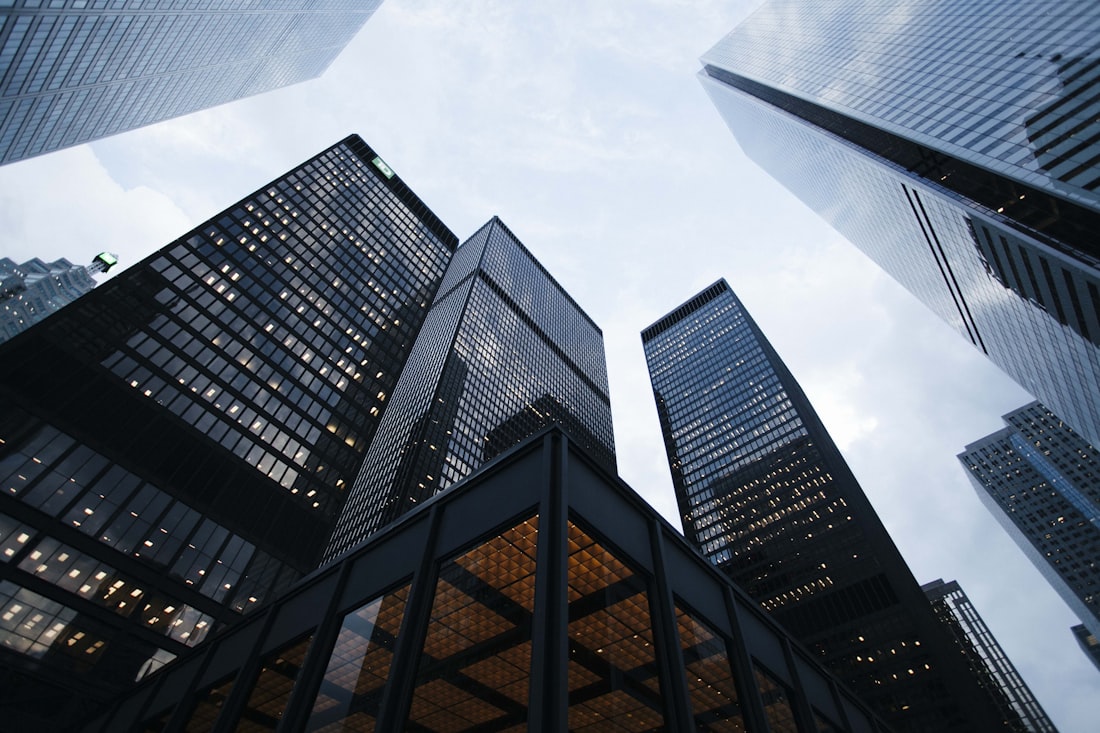
Manchester is one of the most dynamic development environments in the United Kingdom. From the soaring residential towers of the Northern Quarter and Deansgate to the sprawling regeneration schemes at NOMA and Ancoats, the city is reshaping its skyline at a pace unseen outside London. With that pace comes increasing scrutiny from Manchester City Council's planning officers on how new buildings affect natural light - both for future occupants and for neighbours in the city's tightly packed Victorian terrace streets. Whether you are an architect bringing forward a city-centre tower, a developer adding floors to an existing building, or a homeowner extending into the rear garden, understanding daylight requirements in Manchester has never been more important.
Planning context in Manchester
Manchester occupies a unique position in the English planning system. At the local level, Manchester City Council determines planning applications under the adopted Manchester Local Plan, which includes Core Strategy policies on design, residential amenity, and sustainable development. At the strategic level, the Greater Manchester Combined Authority (GMCA) and its Mayor play a growing role through the Greater Manchester Spatial Framework - now known as Places for Everyone - which was adopted in March 2024 by nine of the ten Greater Manchester districts (Stockport having adopted its own plan). Places for Everyone sets housing targets that place significant development pressure on Manchester itself, particularly in the city centre and inner suburbs.
Manchester's built environment is extraordinarily varied. The city centre contains some of England's tallest residential towers outside London, including schemes exceeding 40 storeys. Inner suburbs such as Hulme, Ardwick, Ancoats, and Miles Platting feature dense Victorian terraces with narrow rear gardens and limited existing sky exposure. Outer areas - Didsbury, Chorlton, Levenshulme, Gorton - have more generous suburban plots but still attract significant infill and extension activity. This diversity means that daylight and sunlight sensitivity varies enormously across the city, and planners apply BRE BR 209 (2022) with a correspondingly nuanced approach.
Daylight and sunlight policy in Manchester
Manchester City Council's adopted development plan does not contain a standalone Supplementary Planning Document (SPD) solely dedicated to daylight and sunlight. Instead, daylight and sunlight considerations feed through Core Strategy Policy T1 (Sustainable Transport), Policy EN1 (Design), and Policy H1 (Overall Housing Provision), as well as the saved Unitary Development Plan policies that remain in force pending the emerging new Local Plan. Nationally, the framework is set by the National Planning Policy Framework (NPPF), which requires planning decisions to secure a good standard of amenity for existing and future users of land and buildings.
The technical benchmark is BRE Report 209 (2022 edition), Site Layout Planning for Daylight and Sunlight: A Guide to Good Practice. Planning officers in Manchester routinely request compliance with BRE BR 209 as a material consideration on major applications, particularly where taller buildings are proposed in close proximity to residential properties or where the density of new residential development raises internal daylight concerns. Manchester's planning officers are increasingly aware of the 2022 edition's updated flexibility provisions, which allow for a more context-sensitive approach in dense urban areas - meaning that modest shortfalls below BRE target values can sometimes be accepted where the wider design quality and regeneration benefits are compelling.
The Greater Manchester Design Guide, published by GMCA, also sets expectations around natural light in new residential developments, referencing Vertical Sky Component (VSC), No-Sky Line (NSL), Annual Probable Sunlight Hours (APSH), and Daylight Factor (DF) as appropriate metrics depending on the nature and scale of the proposal.
When is a daylight report required in Manchester?
- Major residential developments of 10 or more dwellings, particularly where neighbouring properties could be overshadowed or where internal daylight standards need to be demonstrated
- Any development - including extensions - that materially reduces the amount of natural light reaching windows of an adjoining habitable room
- Tall buildings (typically six storeys and above) where the shadow throw and sky obstruction to neighbours is material
- Office-to-residential conversions under Class MA permitted development rights, where adequacy of natural light to future habitable rooms must be established
- Basement and lower-ground-floor residential conversions where existing or proposed windows have limited sky exposure
- Loft conversions and dormer additions where the new structure could affect a neighbour's primary window
- Applications where a pre-application discussion with Manchester City Council's planning officers has identified daylight or sunlight as a potential objection
- Appeals or call-in cases where daylight amenity is a contested matter
Common daylight challenges in Manchester
Manchester's Victorian terrace streets - particularly in areas such as Longsight, Moss Side, Rusholme, and Levenshulme - present persistent daylight challenges. Houses are built close to the rear boundary, with rear elevations often less than ten metres from the back of a neighbouring property. Any rear extension on these plots risks reducing a neighbour's VSC below the BRE 209 guideline of 27%, and planning officers will scrutinise these cases carefully.
In the city centre, the main challenge is mutual overshadowing between tall buildings and their neighbours. Where a proposed tower stands in close proximity to an existing residential block, the deflection in VSC and the reduction in APSH can be substantial. The 2022 BRE guide provides tools for applying proportionate judgement in such cases, but a robust assessment is essential to demonstrate compliance or to justify any deviation from the target values.
Ancoats and the Northern Quarter, as heritage-sensitive regeneration zones, present a further complication: new buildings often sit adjacent to listed structures or conservation area buildings whose windows are protected as part of the street scene. Daylight assessments in these areas must account for the character of the existing built fabric as well as the numerical targets.
HMO conversions and student accommodation schemes - both very active in Manchester - raise internal daylight issues. Single-aspect rooms with deep floor plans or windows obstructed by adjacent structures can fail Daylight Factor targets, leading to conditions or refusals if not addressed at the design stage.
How Fortress Associates can help
Fortress Associates provides BRE BR 209 (2022) compliant daylight and sunlight reports for planning applications across Manchester and the wider Greater Manchester area. Our assessments cover VSC, NSL, APSH, and Daylight Factor calculations, and we prepare clear, concise reports that address the specific policies and character context of the Manchester Local Plan and Places for Everyone.
We typically deliver completed daylight reports within four to five working days of receiving the necessary drawings and information, with no advance payment required. We work with architects, developers, planning consultants, and homeowners on projects ranging from single rear extensions to major mixed-use towers.
To discuss your Manchester project and get a fee indication, please visit our contact page.
Sources & further reading
Need help with a UK planning project?
Fixed-fee daylight reports and Building Regulations drawings — delivered in 4–5 working days. No advance payment.
Request a free quote