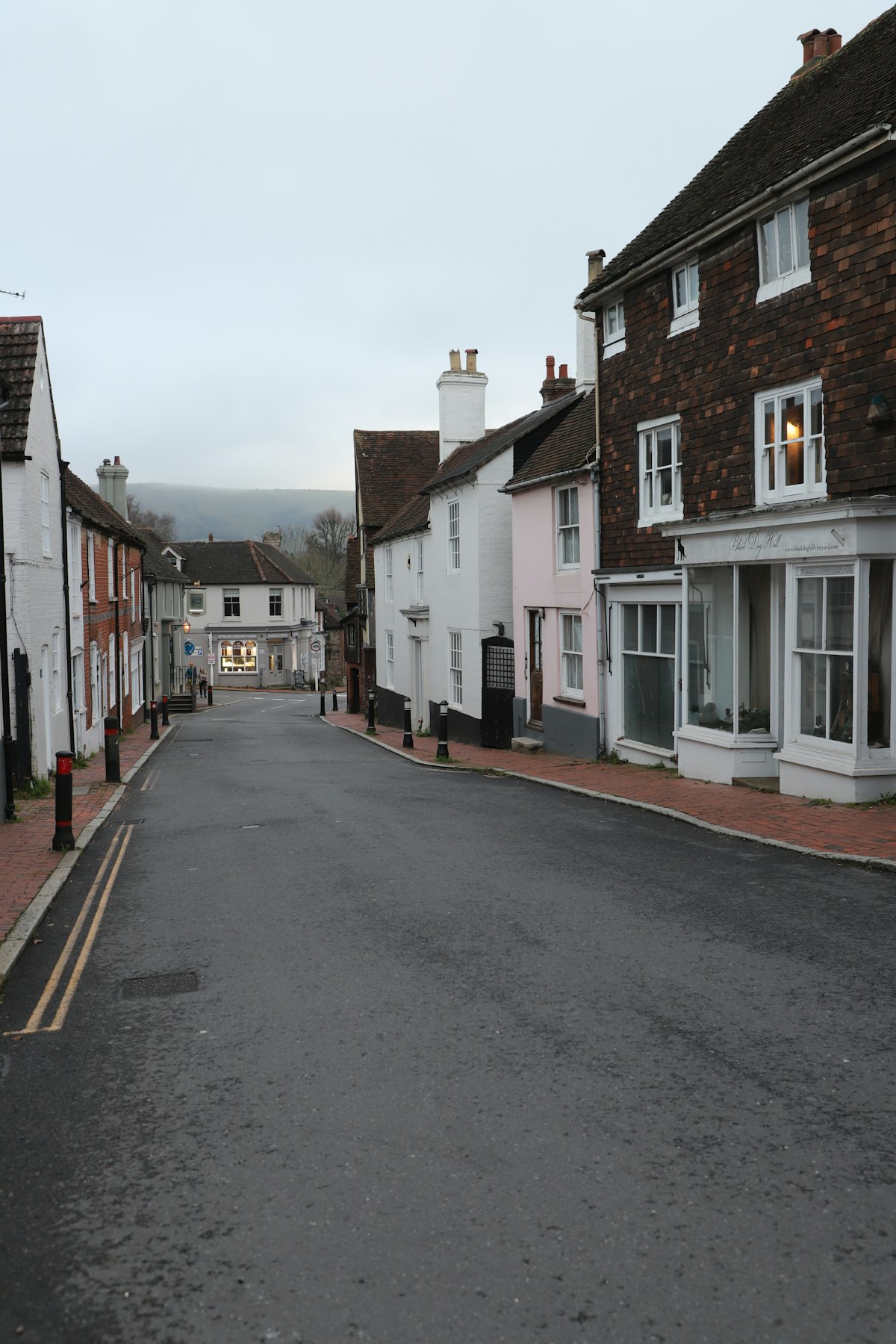
Daylight requirements in Melton matter to anyone planning a home extension, a new dwelling or a larger residential scheme in and around Melton Mowbray and the rural villages of the borough. Melton Borough Council is the local planning authority (LPA) here — Leicestershire County Council does not decide these applications — and it weighs the effect of new building on the daylight, sunlight and amenity of neighbouring homes when determining planning applications. This guide explains how those daylight requirements operate in Melton, which adopted policies apply, and where the recognised technical standards fit in.
The adopted planning framework in Melton
The development plan for the area is the Melton Borough Local Plan 2011-2036, adopted by Full Council on 10 October 2018. It sets out the policies against which planning applications across the borough — from Melton Mowbray itself to villages such as Asfordby, Bottesford, Long Clawson and Waltham on the Wolds — are assessed.
The central design policy is Policy D1: Raising the Standard of Design. It requires all new development to be of high quality and to be assessed against a list of criteria. Two are directly relevant to daylight and sunlight:
- criterion (a): siting and layout must be sympathetic to the character of the area; and
- criterion (d): the amenity of neighbours and neighbouring properties should not be compromised.
The supporting text makes the link to daylight explicit. Paragraph 9.2.11, under the heading “Protecting amenityâ€, states that development “should not adversely affect neighbours and nearby uses and occupiers by reason of being overbearing, overlooking, loss of privacy, loss of light, pollution (including that from artificial light) and other forms of disturbance.†The plan further warns (at paragraph 9.2.9) that buildings of inappropriate scale and mass can harm amenity through “loss of aspect; loss of light; or loss of privacy.â€
In other words, “loss of light†is named expressly in the Melton Local Plan as a form of harm that Policy D1 is intended to prevent. A daylight and sunlight assessment is the standard way to test whether that harm would occur.
Daylight requirements in Melton: guidance and technical standards
Melton does not set its own numeric daylight or sunlight target. Instead it supports Policy D1 with the Design of Development Supplementary Planning Document (Design SPD), adopted on 24 February 2022. The SPD was prepared primarily to support the implementation of Policy D1, raising the standard of design and helping applicants respond positively to local context, including the relationship between new buildings and their neighbours.
Where the impact on daylight and sunlight needs to be measured, the recognised national methodology applies. The reference document is the Building Research Establishment (BRE) guide Site Layout Planning for Daylight and Sunlight: A Guide to Good Practice, in its current 2022 third edition (commonly cited as BR 209). Alongside it, BS EN 17037 sets out daylight provision recommendations for new interiors. Between them, these documents provide the established numerical tests — the Vertical Sky Component (VSC), the No Sky Line / daylight distribution test, and the Annual Probable Sunlight Hours (APSH) test — used to judge whether a neighbouring window or garden would suffer a material loss of light or sunlight.
The use of these tools follows from national policy. The National Planning Policy Framework (NPPF) requires planning to secure a high standard of amenity for existing and future occupiers, a requirement the Melton Local Plan itself quotes at paragraph 9.2.1. Policy D1 applies that expectation locally, and the BRE and BS EN 17037 methodologies supply the evidence base.
There is no Melton-specific daylight number to meet. The borough relies on Policy D1 and the Design of Development SPD to require that amenity and light are protected, and on BRE BR 209 (2022) and BS EN 17037 as the technical tests to demonstrate it.
Practical questions for applicants
Whether you are extending a property in central Melton Mowbray or proposing a backland or infill plot in one of the villages, the key questions are consistent:
- Will daylight to habitable-room windows of adjoining homes be materially reduced, against the BRE VSC and daylight distribution tests?
- Will the proposal be overbearing or cause loss of light or aspect, the very harms named at paragraph 9.2.11 of the Local Plan?
- Will sunlight or overshadowing of a neighbour's garden or main living rooms breach the BRE sunlight and APSH thresholds?
Providing a robust assessment up front gives the case officer the evidence needed to apply Policy D1 and the Design SPD with confidence, reducing the risk of objection, refusal or delay.
Local context worth noting
Melton is a predominantly rural borough — famous as the home of the Melton Mowbray pork pie and a centre of Stilton cheese production — with the bulk of its built form concentrated in and around the market town of Melton Mowbray. Tighter plots within the town tend to raise daylight, overlooking and overbearing-impact concerns most acutely. Large strategic sites, such as the sustainable neighbourhoods linked to the Melton Mowbray Distributor Road, are master-planned to perform well against Building for Life 12 in accordance with Policy D1, where layout and orientation for light and amenity are designed in from the outset. A site-specific approach — exactly what the BRE guide and Policy D1 anticipate — is essential.
How Fortress Associates can help
Fortress Associates prepares clear, planning-ready daylight and sunlight assessments to BRE BR 209 (2022) and BS EN 17037. If you are developing in Melton, our daylight and sunlight report service provides the evidence to demonstrate compliance with Policy D1 and the Design of Development SPD. We work UK-wide with a 4–5 working day turnaround and require no advance payment. We also produce Building Regulations drawings when a scheme moves to construction. To discuss your site, get in touch with our team.
Sources & further reading
Need help with a UK planning project?
Fixed-fee daylight reports and Building Regulations drawings — delivered in 4–5 working days. No advance payment.
Request a free quote