Daylight requirements in Mid and East Antrim are now set out in the borough council's own adopted development plan, rather than in the older regional Planning Policy Statements. Mid and East Antrim Borough Council, which covers Ballymena, Larne and Carrickfergus and their surrounding areas, has carried its Local Development Plan through to adoption. As a result, daylight, sunlight, overshadowing and privacy are assessed against locally adopted operational policy and the council's own design guidance. For homeowners, architects and developers across the borough, understanding how that local framework works — and how it differs from a simple regional rule of thumb — is the key to a smooth application.
This article explains the current planning position in Mid and East Antrim, the specific daylight tests the council applies, and how an independent assessment to BRE BR 209 (2022) can support a proposal.
An adopted plan: the Local Development Plan 2030
Mid and East Antrim Borough Council adopted its Local Development Plan (LDP) 2030 Plan Strategy on 16 October 2023, following independent examination and a Direction from the Department for Infrastructure. The Plan Strategy is the first of the two documents that make up the LDP under the Planning Act (Northern Ireland) 2011, and the council has since commenced work on the draft Local Policies Plan, including a 'call for sites' consultation carried out in 2024.
Adoption changed the policy landscape in the borough. The LDP 2030 Plan Strategy replaced the regional operational policies in the topic-based Planning Policy Statements (PPSs) and the remaining provisions of 'A Planning Strategy for Rural Northern Ireland' (PSRNI) for applications in Mid and East Antrim. In other words, an applicant cannot simply cite PPS 7 in the borough as they might have done before adoption; the relevant tests now live within the adopted Plan Strategy itself. The overarching regional Strategic Planning Policy Statement (SPPS, 2015) remains in place above the local plan.
Daylight requirements in Mid and East Antrim: the relevant policy
Two parts of the adopted Plan Strategy do most of the work on daylight and amenity:
- Policy GP1 'General Policy for All Development'. GP1 sets out general criteria that apply to all development proposals, and the council must consider them when determining applications. Among these criteria is the protection of residential amenity, which captures loss of light, overshadowing, overbearing impact and loss of privacy to neighbouring occupiers.
- Appendix G 'Guidance for Residential Extensions and Alterations'. This is the practical design guidance applied to householder schemes, and it is unusually specific about daylight.
Appendix G is where Mid and East Antrim sets itself apart. It explains that a poorly sited or badly designed extension can cast a shadow that reduces a neighbour's daylight to an unacceptable level, and that every effort should be made to avoid or minimise overshadowing. Crucially, the guidance applies a geometric test: 45 degree and 60 degree lines are used to gauge the loss of light to neighbouring residential properties, with the assessment tool illustrated in the guidance as Figure G1. On daylighting, the council considers the effect on all rooms except halls, landings, bathrooms and utility rooms, and where an extension would reduce the light entering a habitable-room window to an unreasonable degree, planning permission is likely to be refused. On privacy, residential properties are expected to retain private open space, usually to the rear, with a high degree of privacy from the street and neighbours.
What this means for a typical application
- Householder extensions: proposals are tested against the 45 and 60 degree lines of Appendix G for loss of light and overshadowing, alongside privacy and overbearing impact under Policy GP1.
- Infill and new dwellings: the council weighs daylight and sunlight to neighbouring homes and gardens, and the adequacy of light within the proposed dwellings, under GP1.
- Larger schemes: a clear technical demonstration of acceptable impact and adequate internal daylight supports the case that the scheme respects residential amenity.
How daylight and sunlight are measured
The Appendix G line test is a useful first screen, but for anything beyond a simple extension the recognised technical methodology is the Building Research Establishment guidance, which sits comfortably alongside the council's own tests. A robust assessment applies:
- BRE BR 209 (2022), Site Layout Planning for Daylight and Sunlight: A Guide to Good Practice, the established reference for impact on neighbours and the quality of light in new homes.
- BS EN 17037 'Daylight in Buildings', the European standard now reflected within BR 209.
For neighbouring properties, the principal measures are the Vertical Sky Component (VSC) and the daylight distribution (no sky line) test for affected rooms, with the Annual Probable Sunlight Hours (APSH) test for windows facing within 90 degrees of due south. For gardens and amenity space, the overshadowing test checks whether at least half the area still receives two or more hours of sunlight on 21 March. Presenting these results allows a Mid and East Antrim case officer to read a scheme against both the Appendix G geometry and the amenity objectives of Policy GP1 with confidence.
A borough of distinctive settings
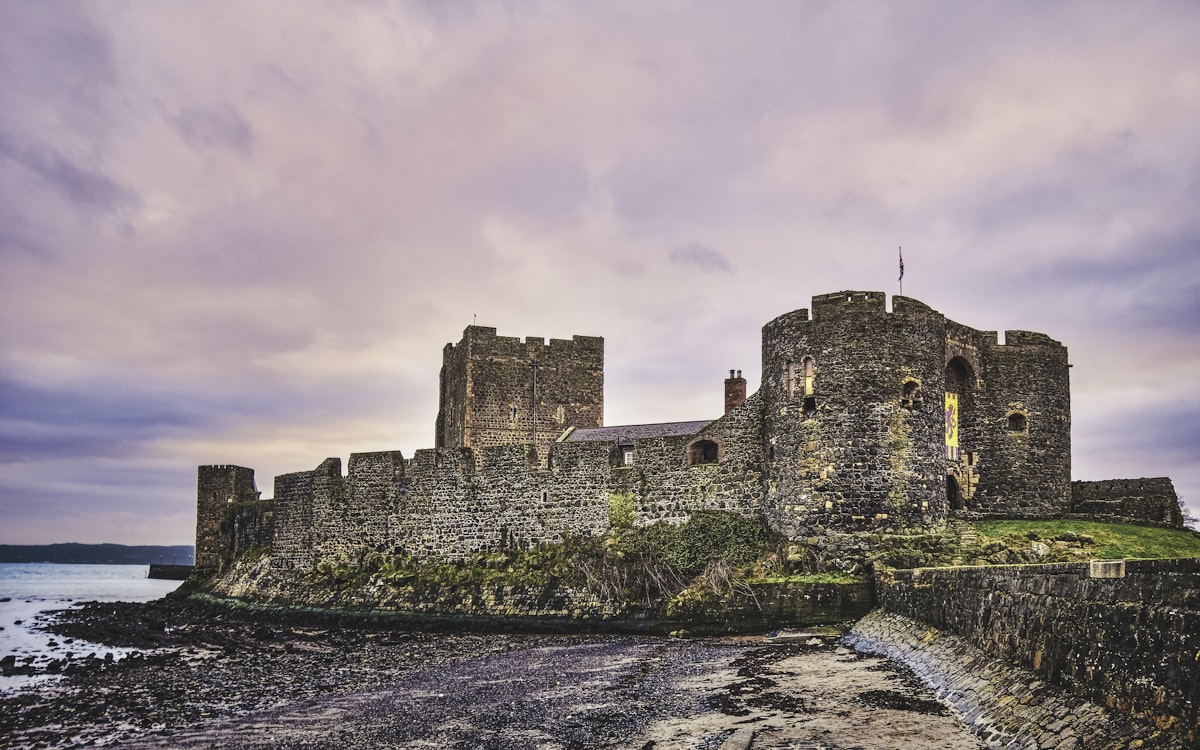
Mid and East Antrim contains varied townscapes that influence how daylight cases are judged: the inland market town of Ballymena, the port town of Larne, and the coastal town of Carrickfergus with its Norman castle on the shore of Belfast Lough. Development near the borough's historic and coastal settings often needs to reconcile daylight and amenity with townscape and heritage considerations, which is where clear technical evidence makes the difference.
How Fortress Associates can help
Fortress Associates provides our daylight and sunlight report service for clients in Mid and East Antrim and across the UK. Our reports follow BRE BR 209 (2022) and BS EN 17037 and are written to address the adopted LDP 2030 tests — Policy GP1 and the Appendix G guidance — as well as the SPPS, so they engage directly with how the council assesses applications. We work to a 4–5 working day turnaround with no advance payment, and we also prepare Building Regulations drawings under the Building Regulations (Northern Ireland). See our services or contact us to discuss your project. For how requirements compare in a neighbouring city council, see our guide to daylight requirements in Lisburn and Castlereagh.
Sources & further reading
- Mid and East Antrim Borough Council — Local Development Plan
- Department for Infrastructure — Mid & East Antrim Plan Strategy Directions
- Planning Portal Northern Ireland — planning policy
- BRE BR 209 (2022): Site Layout Planning for Daylight and Sunlight
- Fortress Associates — daylight and sunlight reports
Need help with a UK planning project?
Fixed-fee daylight reports and Building Regulations drawings — delivered in 4–5 working days. No advance payment.
Request a free quote