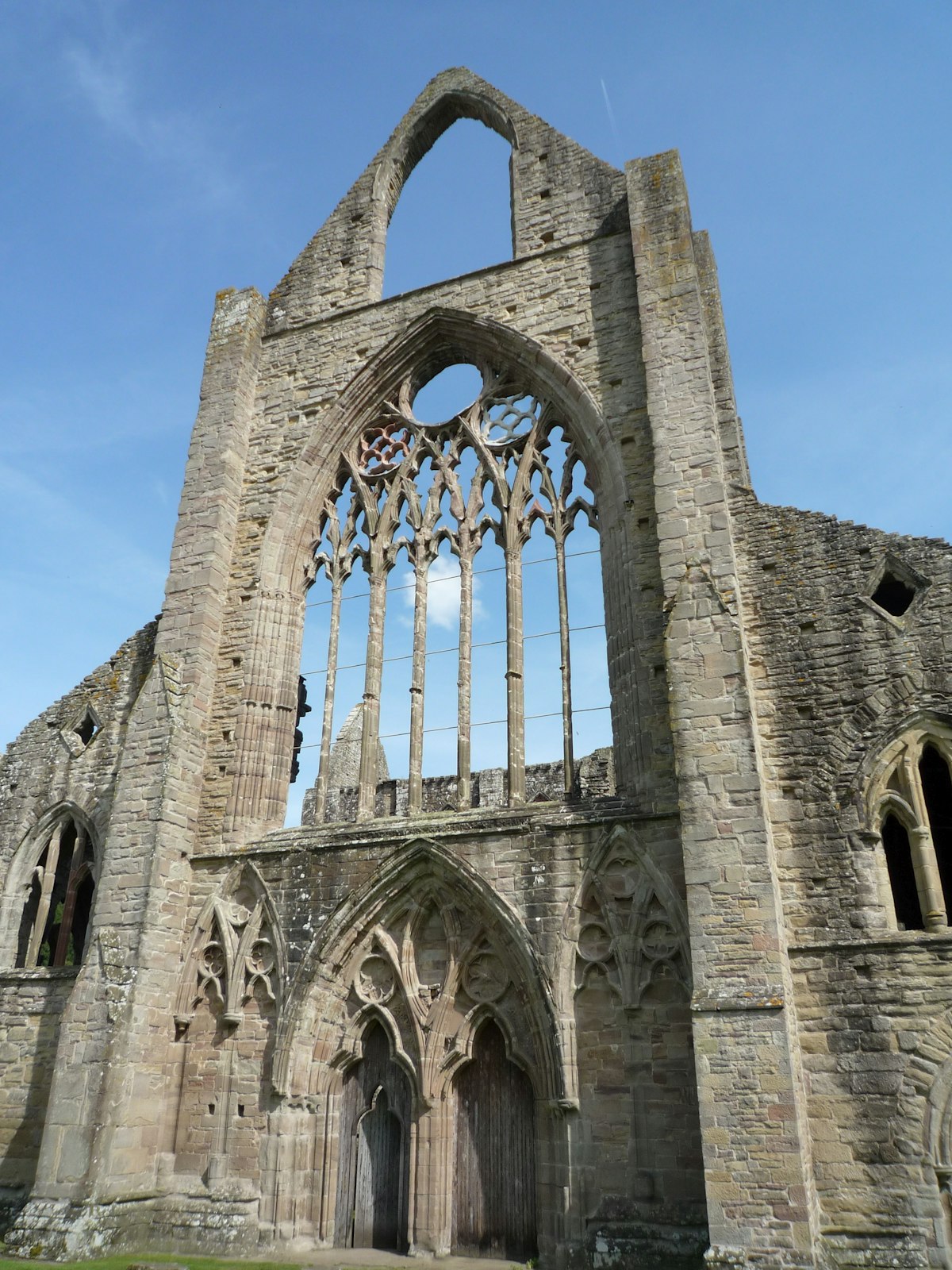
Daylight requirements in Monmouthshire sit at the meeting point of two things: the protection of neighbours' living conditions and the county's distinctive, often sensitive, rural and historic character. From the market towns of Abergavenny, Monmouth, Chepstow and Usk to the villages of the Wye Valley, new development is expected to be designed with real care for light and amenity. This guide explains how Monmouthshire County Council assesses daylight and sunlight, the policies that apply, and the methodology used to measure impact.
The planning framework in Monmouthshire
Planning applications in the county are determined against the Monmouthshire Local Development Plan (LDP), which was adopted by the Council on 27 February 2014 and covers the period 2011-2021. A Replacement LDP is being progressed, but the 2014 plan remains the adopted statutory development plan and the starting point for decisions. Note that part of Monmouthshire lies within the Bannau Brycheiniog (Brecon Beacons) National Park, which is a separate planning authority - schemes inside the park boundary are decided by the National Park Authority rather than the County Council.
Above the LDP sits the Welsh national framework. Planning Policy Wales (Edition 12, 2024), together with Future Wales: the National Plan 2040 and the relevant Technical Advice Notes, requires development to deliver good design and to create and sustain places that protect the amenity and well-being of communities.
The policies that matter for daylight
Two adopted LDP policies do most of the work where daylight and sunlight are concerned:
- Policy DES1 - General Design Considerations. This requires all development to be of high quality, sustainable design that respects local character. Among its criteria, development must "maintain reasonable levels of privacy and amenity of occupiers of neighbouring properties, where applicable" (criterion d), and must "ensure that existing residential areas characterised by high standards of privacy and spaciousness are protected from overdevelopment." Loss of daylight and sunlight to neighbours falls squarely within this amenity test.
- Policy EP1 - Amenity and Environmental Protection. This states that development, including new buildings and extensions, "should have regard to the privacy, amenity and health of occupiers of neighbouring properties," and resists proposals that would cause unacceptable harm to local amenity.
The Council also adopted an Infill Development Supplementary Planning Guidance (SPG) in November 2019, supporting housing policies H1, H2 and H3. It deals expressly with site context, design and privacy/amenity, and is a material consideration for the kind of plot-by-plot development that most often raises daylight questions in the county's villages and towns.
How daylight and sunlight are measured
Welsh policy sets the requirement to protect amenity and light, but it does not specify numerical daylight thresholds. As elsewhere in Wales, Monmouthshire relies on the recognised best-practice methodology published by the Building Research Establishment.
The current standard is the BRE guide Site Layout Planning for Daylight and Sunlight: A Guide to Good Practice (BR 209, 2022 edition), used alongside the British Standard BS EN 17037. The principal tests are:
- Vertical Sky Component (VSC) - the proportion of available skylight reaching a neighbour's window; a retained value of 27% or more is generally regarded as good, and a reduction to below 0.8 times the previous value is likely to be noticeable.
- No Sky Line (NSL) - the daylight distribution within affected rooms after development.
- Annual Probable Sunlight Hours (APSH) - sunlight to relevant windows and to gardens and amenity spaces.
The BRE guide stresses that these figures are guidance to be applied flexibly with regard to context - a point that is especially relevant in Monmouthshire.
Why Monmouthshire's context matters
Two local characteristics shape how daylight is judged here:
- Spacious, low-density residential areas. Policy DES1 specifically protects established residential areas "characterised by high standards of privacy and spaciousness." In settlements such as Abergavenny and Monmouth, generous plots and mature gardens set a high baseline, so overshadowing and overlooking from new development are assessed against a more sensitive context than in dense urban areas.
- Historic settings and the Wye Valley. Much of the county includes conservation areas, listed buildings and the protected landscape around the Wye. Designing an extension near a historic terrace in Chepstow or a building in a conservation area means balancing daylight retention against heritage and townscape constraints, often requiring careful modelling to find an acceptable form.
When you are likely to need a daylight and sunlight report
A professional assessment is most valuable where a proposal could affect light to neighbouring homes or gardens, or where future occupiers' daylight is in question. Common triggers in Monmouthshire include:
- Two-storey rear or side extensions close to a boundary in a town-centre street.
- Infill and backland plots in spacious residential areas, where DES1 and the Infill SPG apply.
- New apartment or conversion schemes in Abergavenny, Monmouth, Chepstow or Usk.
- Any application where a neighbour objects on loss-of-light grounds or the case officer requests evidence under DES1 or EP1.
A clear BRE-based report lets the case officer test the scheme against the adopted policies and can defuse objections before they delay a decision.
How Fortress Associates can help
Fortress Associates provides our daylight and sunlight report service for clients across Monmouthshire and throughout Wales. Reports are prepared to BRE BR 209 (2022) and BS EN 17037 and written to address the amenity and design tests in the adopted LDP. We work UK-wide with a 4-5 working day turnaround and no advance payment required, and we also prepare Building Regulations drawings where needed. To discuss your project, contact our team. If your site is over the boundary in the Valleys, see our guide to daylight requirements in Merthyr Tydfil.
Sources & further reading
Need help with a UK planning project?
Fixed-fee daylight reports and Building Regulations drawings — delivered in 4–5 working days. No advance payment.
Request a free quote