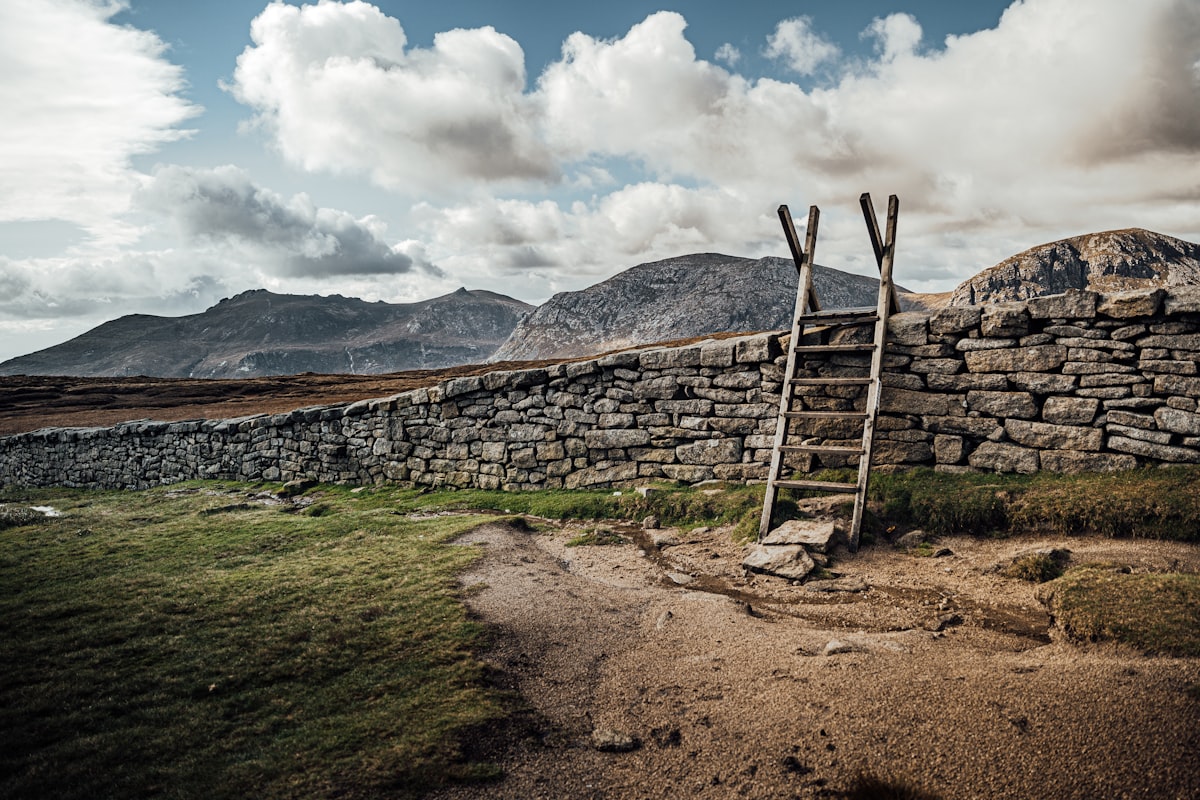
If you are planning new homes in Newry city, Downpatrick, Newcastle or the towns and villages beneath the Mourne Mountains, understanding the daylight requirements in Newry, Mourne and Down will help you avoid delay and objection. Daylight, sunlight and overshadowing are central to how this council judges residential amenity, and the policy position here differs in an important way from neighbouring districts: the council's own Local Development Plan is still emerging, so the retained regional framework continues to do the heavy lifting. This article explains where the policy currently sits and how a technical daylight assessment fits in.
The planning framework for daylight requirements in Newry, Mourne and Down
Planning powers in Northern Ireland passed from central government to the eleven district councils in April 2015. Newry, Mourne and Down District Council has been the local planning authority for its area since then, covering Newry city, Downpatrick, the Mournes, the Ring of Gullion and South Armagh, and determining applications through its planning offices including Downshire Civic Centre.
The council is preparing a Local Development Plan (LDP) under the Planning Act (Northern Ireland) 2011, delivered as a Plan Strategy followed by a Local Policies Plan. The council launched its Local Development Plan 2035 draft Plan Strategy on 27 June 2025, and it has since progressed through public consultation and a counter-representations stage (which closed in April 2026). Crucially, at the time of writing the draft Plan Strategy is not yet adopted — it must still pass independent examination before it carries the full weight of an operative development plan.
This is the key distinction for applicants here. Because the new Plan Strategy is not yet adopted, decisions in Newry, Mourne and Down are still made principally under the retained regional planning framework:
- The Strategic Planning Policy Statement for Northern Ireland (SPPS), 2015 — the overarching statement that all councils must take into account in both plan-making and decision-taking. It carries forward the objective of a quality residential environment, including adequate daylight and sunlight, privacy and the avoidance of unacceptable overshadowing.
- Retained Planning Policy Statements — most directly, PPS 7 "Quality Residential Environments", its Addendum (residential extensions and alterations), and the companion design guide "Creating Places". These remain the operative policy reference in this district for residential amenity, separation distances, privacy and overlooking, and overshadowing. An emerging draft Plan Strategy can be a material consideration, but until it is adopted the retained PPSs and SPPS govern the assessment of amenity.
For anyone designing a scheme in the district right now, that means PPS 7 and Creating Places are not merely background reading — their guidance on reasonable daylight, sensible separation between facing windows and the avoidance of dominance and overshadowing is the live test your proposal must satisfy.
How daylight and sunlight are measured
Northern Ireland policy sets the expectation — adequate light for new homes, and no unreasonable harm to neighbours — but it does not prescribe the numbers. The recognised UK methodology for that is the Building Research Establishment guidance BRE BR 209, "Site Layout Planning for Daylight and Sunlight: A Guide to Good Practice", now in its 2022 (third) edition. The principal tests are:
- Vertical Sky Component (VSC) — daylight reaching a neighbour's window, benchmarked at around 27%, with the guidance that the retained value should not drop below roughly 0.8 times the previous figure.
- No Sky Line / daylight distribution — how well daylight reaches into a room.
- Annual Probable Sunlight Hours (APSH) — sunlight to windows facing within 90 degrees of due south.
- Overshadowing of amenity space — tested against the recommendation that at least half of a garden or amenity area receives sunlight on 21 March.
The complementary standard BS EN 17037 "Daylight in Buildings" deals with the quality of daylight inside new homes. Together, BR 209 and BS EN 17037 provide the objective evidence the council needs to confirm that a scheme accords with the amenity aims of the SPPS and PPS 7.
Local factors that shape a Newry, Mourne and Down assessment
Two characteristics of this district give daylight assessment a particular flavour:
- A protected, landscape-led setting. The district contains the Mourne and Ring of Gullion Areas of Outstanding Natural Beauty, alongside the historic settings of Newry and Downpatrick. In and around these sensitive areas, the council scrutinises the height, massing and siting of development closely — the very factors that drive overshadowing and loss of light. A daylight and sunlight study that engages with massing early helps reconcile development with landscape and townscape sensitivity.
- Constrained urban sites in Newry and Downpatrick. The district's larger towns offer the tight infill, backland and conversion opportunities where neighbour daylight tests — VSC, daylight distribution and overshadowing — are most likely to be decisive. On these plots, with closely spaced existing dwellings, a BR 209 assessment is the clearest way to demonstrate acceptability.
Applications are validated against the council's published Planning Validation Checklist and assessed against planning policy; clear supporting technical evidence helps officers, consultees and the Planning Committee reach a robust view without avoidable rounds of further information.
When a daylight and sunlight report is worth commissioning
A formal assessment is not needed for every scheme, but it is sensible — and sometimes expected — where:
- Infill or backland housing sits close to existing dwellings in Newry, Downpatrick or the district's other settlements.
- Two- or three-storey development adjoins lower or sensitive neighbours.
- An apartment or higher-density scheme must demonstrate good internal daylight to habitable rooms.
- A neighbour has objected on grounds of lost light or overshadowing, or the council has asked for supporting evidence.
Preparing the report to BR 209 (2022) lets applicants identify and design out amenity problems — through reduced massing, set-backs or window placement — before determination rather than after a refusal.
How Fortress Associates can help
Fortress Associates is a UK daylight and sunlight consultancy. We prepare our daylight and sunlight report service to BRE BR 209 (2022) and BS EN 17037, referencing the SPPS, retained PPS 7 and Creating Places, and the emerging Newry, Mourne and Down Local Development Plan 2035 draft Plan Strategy as a material consideration. We also produce Building Regulations drawings to the Building Regulations (Northern Ireland). We work nationwide with a 4–5 working day turnaround and no advance payment. To discuss a site in Newry, Downpatrick or anywhere in the district, please get in touch.
Sources & further reading
- Newry, Mourne and Down District Council — Planning
- Planning Portal Northern Ireland — SPPS and retained Planning Policy Statements (including PPS 7)
- BRE BR 209 (2022): Site Layout Planning for Daylight and Sunlight
- Fortress Associates daylight and sunlight reports and our services
- See also our sibling guide: Daylight Requirements in Fermanagh and Omagh
Need help with a UK planning project?
Fixed-fee daylight reports and Building Regulations drawings — delivered in 4–5 working days. No advance payment.
Request a free quote