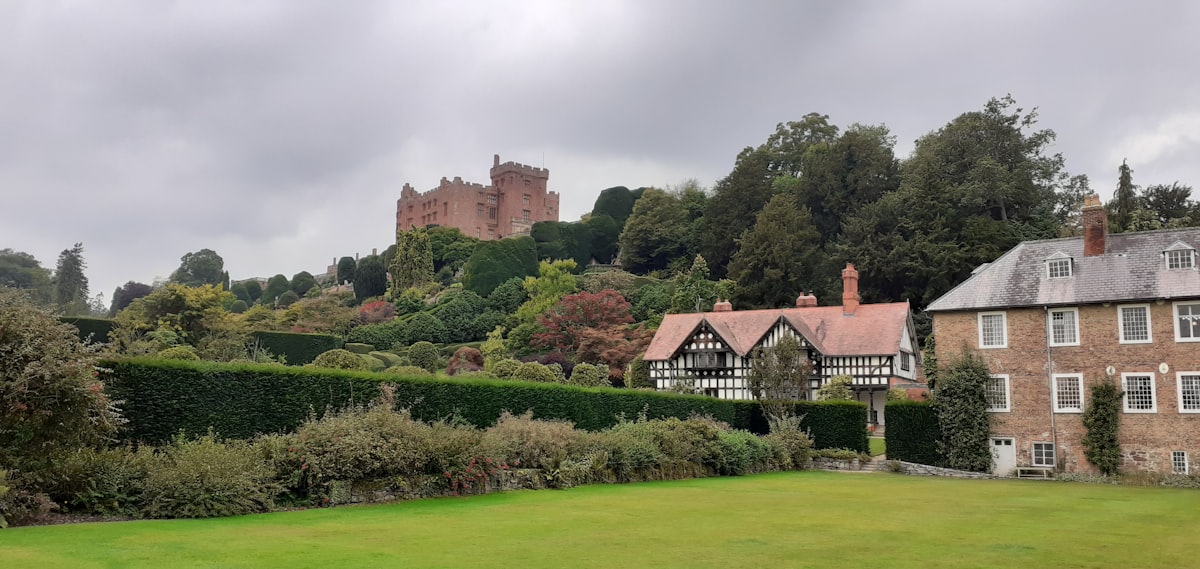
Daylight requirements in Powys come into play whenever a new home, extension or development could reduce the light reaching a neighbouring property — whether in the market towns of Newtown and Welshpool, in Brecon, or across the county's many rural settlements. Powys County Council is the planning authority for most of the county, and it assesses these impacts through its adopted Local Development Plan and the wider Welsh planning framework. This guide explains how daylight requirements in Powys are applied and how to prepare an application that addresses them properly.
Daylight requirements in Powys and the local planning framework
Planning decisions in Wales are taken against the relevant adopted development plan together with national policy. For Powys that plan is the Powys Local Development Plan 2011–2026, adopted in April 2018. It sets out the council's policies for the development and use of land across the county and remains the statutory starting point for decisions, while a Replacement Local Development Plan (2022–2037) is being prepared for the years ahead.
A crucial local point: the Powys LDP covers the county except for the area within the Bannau Brycheiniog (Brecon Beacons) National Park. The National Park is a separate planning authority with its own Local Development Plan, and it determines applications within its boundary — which includes much of the upland landscape south of Brecon. If your site lies within the National Park, the County Council's plan and contacts will not apply, so it is worth confirming which authority covers your land before you submit.
Within the County Council's area, the key policy for daylight and amenity is:
- Policy DM13 (Design and Resources) — the council's main design policy. It requires development to demonstrate good quality design that has regard to the qualities and amenity of the surrounding area; complements its character in terms of siting, scale, height and massing; incorporates adequate amenity land; and — importantly for daylight — does not adversely affect the amenities of neighbouring properties, expressly citing overlooking and other planning matters.
Because DM13 directly protects the amenity of neighbouring occupiers, the daylight and sunlight reaching adjoining windows and gardens is a material consideration in residential applications across Powys, from a rear extension in Welshpool to a small infill development in Newtown.
The Residential Design SPG
To explain how DM13 is applied, Powys has adopted a Residential Design Supplementary Planning Guidance document. It gives applicants and decision-makers a firmer understanding of what good design means under DM13 for new homes, and it includes householder guidance notes for the alteration and extension of existing homes. The SPG is the place to look for the council's expectations on layout, separation between dwellings and the protection of a neighbour's amenity — including the light they currently enjoy. In practice, officers assess:
- Loss of daylight to habitable-room windows of neighbouring homes (living rooms, bedrooms, kitchens).
- Loss of sunlight to windows and to gardens used for sitting out.
- Overbearing impact where a deep or tall structure dominates a neighbouring property.
- Overshadowing of gardens and amenity space, and the avoidance of overlooking that harms privacy.
For straightforward householder proposals, officers commonly apply familiar geometric checks such as the 45-degree line from a neighbour's window. For larger or more sensitive schemes, a numerical daylight and sunlight assessment provides the objective evidence needed to demonstrate compliance with DM13.
Planning Policy Wales and national context
Above the LDP sits the Welsh Government's national framework. Planning Policy Wales (Edition 12, 2024) places placemaking and good design at the heart of the planning system, and the amenity of existing and future occupiers — including access to natural light — is part of that design quality. Future Wales: the National Plan 2040 sets the national spatial strategy within which the Powys plan sits, and Technical Advice Note 12 (Design) reinforces the expectation that daylight, sunlight and privacy are properly considered. National policy does not set numerical daylight thresholds, which is why recognised technical guidance is used to measure impact.
How daylight and sunlight are measured
The accepted UK methodology for measuring daylight and sunlight is published by the Building Research Establishment:
- BRE BR 209 (2022), Site Layout Planning for Daylight and Sunlight: A Guide to Good Practice — the standard reference for assessing daylight to neighbouring windows (using the Vertical Sky Component and the no-sky-line / daylight distribution test), sunlight (the Annual Probable Sunlight Hours test) and overshadowing of gardens and open space.
- BS EN 17037, Daylight in Buildings — the European standard for daylight provision, sunlight, view out and the avoidance of glare within new dwellings.
A report prepared to these standards turns the council's amenity policy into measurable figures, and helps resolve a neighbour's concern before it becomes a reason for refusal.
Practical tips for Powys applicants
- Check the authority first. Confirm whether your site is within the Bannau Brycheiniog (Brecon Beacons) National Park or the County Council's area, as the plan and process differ.
- Read the Residential Design SPG. It sets out how DM13 is applied to new homes and extensions.
- Identify sensitive windows and gardens. Note the neighbouring habitable-room windows and amenity spaces that could be affected.
- Commission a BRE assessment when it is marginal. Two-storey extensions, infill plots and small housing schemes benefit most from numerical evidence under DM13.
How Fortress Associates can help
Fortress Associates prepares our daylight and sunlight report service to BRE BR 209 (2022) and BS EN 17037, tailored to the policies that apply in Powys. We assess the impact on neighbouring properties and the daylight available within your own scheme, and present the findings clearly for submission with your application. We work nationwide with a typical turnaround of four to five working days and ask for no advance payment. We also prepare Building Regulations drawings where a project needs them. To discuss a Powys site, please contact our team.
Sources & further reading
Need help with a UK planning project?
Fixed-fee daylight reports and Building Regulations drawings — delivered in 4–5 working days. No advance payment.
Request a free quote