If you are planning a rear extension in Reigate, a new dwelling in Redhill or Horley, or an infill scheme in Banstead, it pays to understand the daylight requirements in Reigate and Banstead before you submit. Reigate and Banstead Borough Council is the local planning authority (LPA) that determines householder and residential applications across the borough; Surrey County Council is the upper-tier authority but does not decide these proposals. This guide sets out the adopted policies that apply, the council's stated position on daylight and sunlight, and how a technical assessment supports a sound decision.
Daylight requirements in Reigate and Banstead: the policy framework
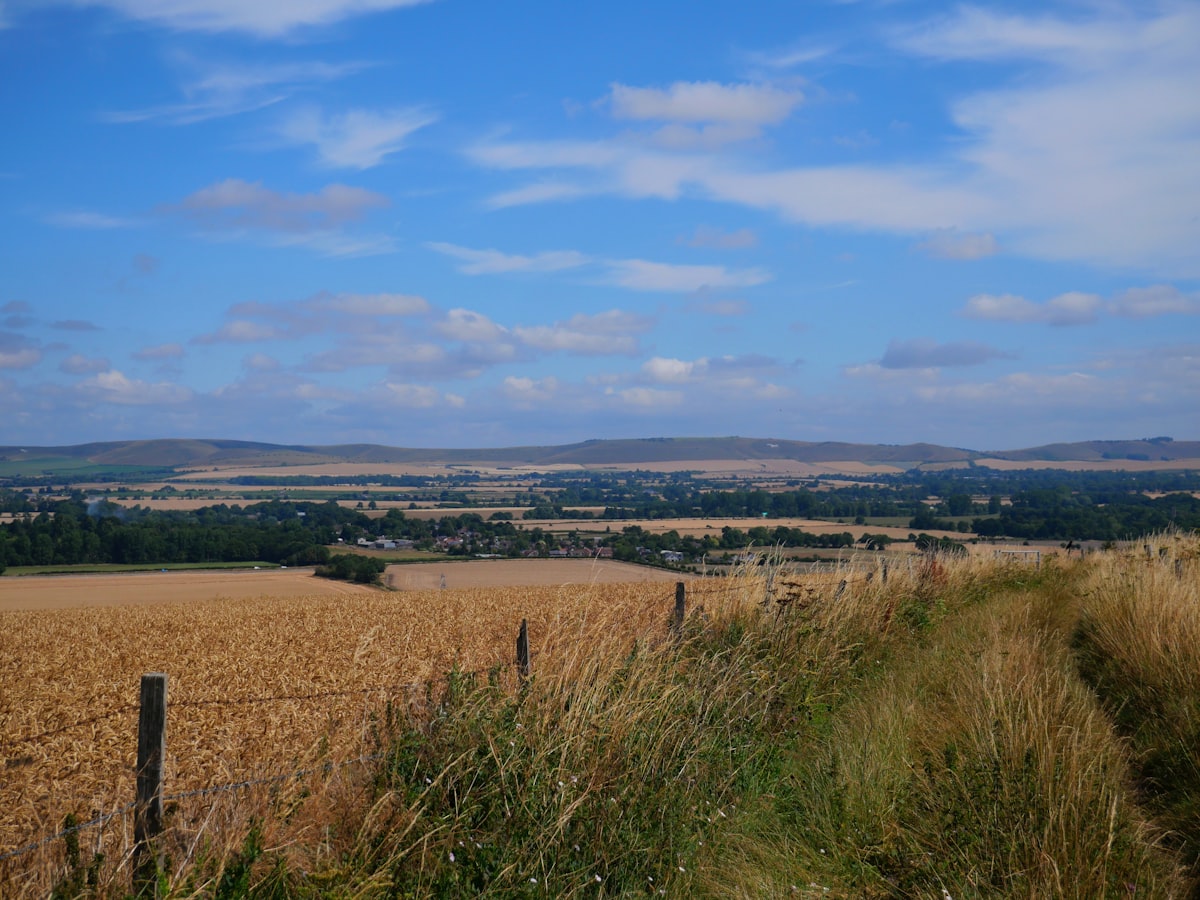
The statutory development plan for the borough is made up of two documents: the Reigate and Banstead Local Plan: Core Strategy, adopted in July 2014, and the Development Management Plan (DMP), adopted on 26 September 2019. The Core Strategy sets the strategic direction and vision, while the DMP provides the detailed development management policies and site allocations used to determine day-to-day applications. The borough stretches from the suburban edge of London at Banstead, across the towns of Reigate and Redhill on the spring line beneath the North Downs, down to Horley on the Gatwick fringe, so the character against which schemes are judged varies considerably from place to place.
The policy that does most of the work on daylight, sunlight and residential amenity is Policy DES1: Design of new development, found in the DMP's Design, character and amenity chapter. DES1 expects all new development to be of high quality design that makes a positive contribution to the character and appearance of its surroundings, and it grants permission where the proposal meets a list of criteria. The criterion that matters most for light requires development to:
Provide an appropriate environment for future occupants whilst not adversely impacting upon the amenity of occupants of existing nearby buildings, including by way of overbearing, obtrusiveness, overshadowing, overlooking and loss of privacy.
The explicit reference to "overshadowing" within the amenity test is significant: loss of light is named directly as a material consideration rather than being left implicit. DES1 also requires proposals to have due regard to the layout, density, plot sizes, siting, scale, massing, height and roofscapes of the surrounding area and the relationship to neighbouring buildings, all of which bear on overshadowing and loss of light.
Garden land, special character and the wider design tests
Two further DMP policies are relevant. Policy DES2: Residential garden land development controls backland and garden-plot schemes, which are a common source of daylight and overlooking disputes because they introduce new built form close to existing rear elevations and gardens. Policy DES3: Residential Areas of Special Character applies stricter design scrutiny in defined areas where the spacious, leafy character is part of the borough's distinctiveness; in those locations spacing between buildings and the impact on neighbours' light and outlook carry particular weight. DES1 itself notes that it is supported by existing Council guidance, including the Local Distinctiveness Design Guide SPG (2004) and the Householder Extensions and Alterations SPG (2004).
Local guidance and validation in Reigate and Banstead
One feature that sets Reigate and Banstead apart is that its planning application validation checklist refers directly to the BRE guidance. The checklist explains that a daylight and sunlight assessment is required where a proposal may affect the levels of light to neighbouring properties, and it names Site Layout Planning for Daylight and Sunlight: A Guide to Good Practice (BRE Report 209) as the technical standard applicants should follow. In practice this means that for many extensions and infill schemes close to neighbours, a BRE-based assessment is the expected way to demonstrate that the DES1 amenity test is met, and it can be a validation requirement rather than an optional extra.
The borough does not set its own numerical light thresholds; instead, the "overshadowing" wording of Policy DES1 is applied case by case, measured against the recognised national methodology. That methodology is the current edition of the BRE guidance, BRE BR 209: Site Layout Planning for Daylight and Sunlight - A Guide to Good Practice (2022 edition), read with BS EN 17037 on daylight in buildings. The National Planning Policy Framework (NPPF) supports securing a good standard of amenity for existing and future occupiers and making efficient use of land, and these national documents apply through the locally adopted policies above.
What a daylight and sunlight assessment involves
A BRE-based assessment answers two questions: what daylight and sunlight neighbouring properties currently enjoy and how the proposal would affect them, and whether future occupiers of the new accommodation would receive adequate light. The principal tests include:
- Vertical Sky Component (VSC) - skylight reaching a neighbour's window, with a guideline of 27% or no worse than 0.8 times the previous value;
- Daylight distribution (the no-sky line) - how daylight is spread within a room;
- Annual Probable Sunlight Hours (APSH) - sunlight to windows with a significant southerly aspect, assessed annually and over winter;
- Overshadowing of gardens and amenity areas - using the sun-on-ground test at the equinox.
A clear, BRE-compliant report gives a Reigate and Banstead case officer the evidence to apply the DES1 amenity test with confidence. It is particularly useful for garden land and backland schemes assessed under DES2, sites in Residential Areas of Special Character under DES3, and two-storey or rear extensions in Reigate, Redhill, Banstead and Horley where overshadowing of a neighbour's habitable-room windows or garden is a concern. A robust assessment does not promise consent, but it helps you design out problems early and supports a sound, evidence-based decision.
How Fortress Associates can help
Fortress Associates provides our daylight and sunlight report service to BRE BR 209 (2022) and BS EN 17037 for sites across Reigate, Redhill, Banstead, Horley and the wider borough. We work nationwide with a typical 4 to 5 working day turnaround and ask for no advance payment. Explore our full services or contact us to discuss your project. If your scheme also needs technical drawings, we prepare Building Regulations drawings alongside the planning work. You may also find our companion guides to daylight requirements in Mole Valley and daylight requirements in Epsom and Ewell useful for comparison with neighbouring Surrey authorities.
Sources & further reading
- Reigate and Banstead Borough Council - Adopted local plan (Core Strategy and DMP)
- Reigate and Banstead Borough Council - Validation checklist
- BRE - BR 209: Site Layout Planning for Daylight and Sunlight (2022)
- GOV.UK - National Planning Policy Framework
- Fortress Associates daylight and sunlight reports and our services
Need help with a UK planning project?
Fixed-fee daylight reports and Building Regulations drawings — delivered in 4–5 working days. No advance payment.
Request a free quote