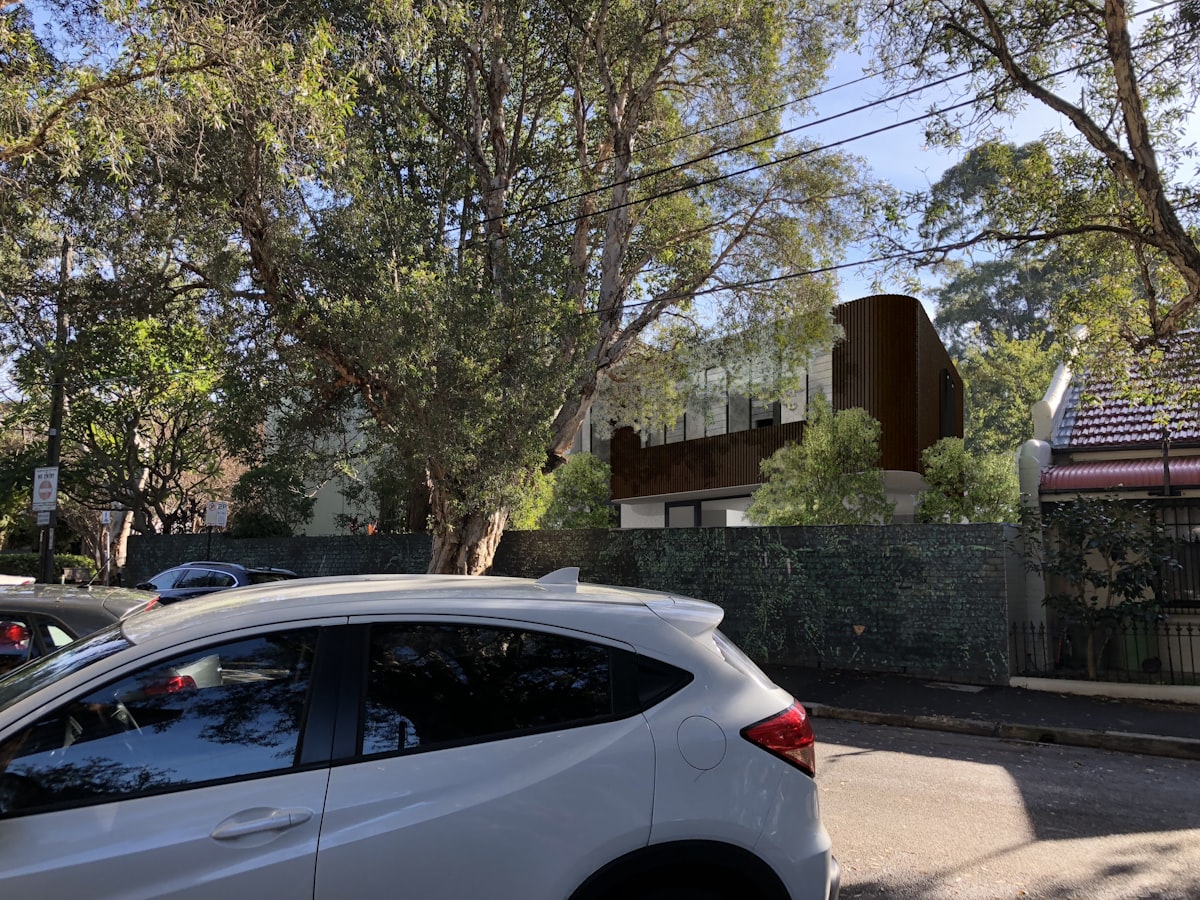
Daylight requirements in Rochford are an important consideration for householders and developers across the district, from the historic streets of Rochford town and Rayleigh to the residential areas of Hockley, Hawkwell and Hullbridge. As a largely low-rise district with a tight urban grain and substantial Green Belt, Rochford places real weight on protecting the amenity of neighbouring homes – and the effect of a proposal on a neighbour's daylight and sunlight is a routine material consideration. This guide explains how daylight requirements work in Rochford, which adopted policies and guidance apply, and how a professional assessment can support your application.
Who is the planning authority in Rochford?
Rochford District Council is the local planning authority (LPA) for the district. Although Rochford sits within Essex, it is the district council – not Essex County Council – that determines householder and most residential applications. The county council acts only on county matters such as minerals and waste. For an extension, a new dwelling or a residential conversion, you apply to Rochford District Council.
The adopted development plan for Rochford
Rochford's statutory development plan is made up of several documents adopted under its Local Development Framework:
- the Rochford District Core Strategy, adopted on 13 December 2011, which sets the overall strategy including the chapter on Housing, Character of Place and Residential Amenity;
- the Allocations Plan, adopted on 25 February 2014, which allocates land for development; and
- the Development Management Plan, adopted on 16 December 2014, which sets out the detailed day-to-day policies that applications are assessed against, including the design of new developments.
The most relevant strategic policy for design and amenity is:
- Core Strategy Policy CP1 (Design) – the Council will promote good, high-quality design that has regard to local character, guided by its adopted Supplementary Planning Documents and, for larger residential schemes, by design briefs that reflect local characteristics. Developments whose design does not reflect the character of place or good design are not supported.
The detailed amenity tests – how a proposal affects a neighbour's light, outlook and privacy – are then applied through the Development Management Plan, which provides the day-to-day design and amenity policies used to determine applications. Loss of daylight, sunlight, overshadowing and overbearing impact all fall within this assessment.
Design guidance and Supplementary Planning Documents
Rochford does not publish a stand-alone daylight and sunlight SPD with its own numerical light code. Instead, Policy CP1 directs decision-makers and applicants to the Council's design SPDs and to county-wide guidance. The most relevant documents are:
- SPD2 – Housing Design (adopted 2007), which provides guidance on the design and layout of housing within the district; and
- the Essex Design Guide and its Urban Place Supplement, referenced in the Core Strategy as guidance on good design.
Because these documents set out design principles rather than a single quantified daylight test for impact on neighbours, the recognised national methodology is used to measure and demonstrate light effects in detail.
When is a daylight and sunlight assessment required?
Rochford's planning application validation arrangements provide for a daylight and sunlight impact assessment where it is needed to show that a development would not harm neighbouring amenity through loss of light. In practice a report is commonly expected for:
- two-storey extensions close to a shared boundary;
- backland and infill housing – an issue the Core Strategy specifically addresses through its backland development policy;
- new flats and higher-density schemes; and
- any proposal where a neighbour's windows or main amenity space could be materially affected.
Where your scheme falls into one of these categories, providing a robust assessment at submission reduces the risk of objection, delay or refusal.
Which technical standards are used?
Rochford assesses light impacts against the recognised national framework, applied through the development plan:
- BRE BR 209 – Site Layout Planning for Daylight and Sunlight: A Guide to Good Practice (2022 edition), which provides the standard tests: vertical sky component (VSC), the daylight distribution (no-sky line) test, annual probable sunlight hours (APSH) for sunlight, and overshadowing of gardens and amenity areas.
- BS EN 17037 – Daylight in Buildings, used to demonstrate adequate daylight within the rooms of new dwellings.
- the National Planning Policy Framework (NPPF), which expects good design and a high standard of amenity for existing and future occupants.
As a guide, the BRE 2022 methodology indicates that the VSC at a neighbour's window should generally remain at or above 27%, or retain at least about 0.8 of its previous value, with the daylight distribution test checking the spread of daylight within affected rooms. Sunlight is examined for windows facing within 90 degrees of due south, and gardens are tested for overshadowing on 21 March.
Local factors that shape daylight cases in Rochford
- Low-rise, tightly knit settlements. Rayleigh, Hockley and Hawkwell are characterised by closely spaced bungalows and two-storey houses. Adding height or depth in this context can have a marked effect on a neighbour's light, so the analysis must reflect the genuine plot relationships.
- Backland and infill pressure. With extensive Green Belt limiting outward growth, garden and infill plots are worked hard. The Core Strategy's backland development policy makes amenity a central test, and a sound daylight assessment helps demonstrate compliance.
- London Southend Airport. Part of the district falls within the London Southend Airport and Environs area, where the Joint Area Action Plan balances airport operations against environmental and residential amenity considerations – reinforcing the importance of amenity evidence on nearby residential sites.
What about a new Local Plan?
Rochford District Council is preparing a new district-wide Local Plan to replace its existing LDF documents. The emerging plan has been the subject of Regulation 18 consultation, but it has not been examined or adopted and therefore carries only limited weight at present. The adopted Core Strategy, Allocations Plan and Development Management Plan – together with the Council's design SPDs – remain the basis for determining applications. The emerging plan is worth keeping in view, as the weight it carries will increase as it advances towards examination and adoption.
How Fortress Associates can help
Fortress Associates provides our daylight and sunlight report service to clients in Rochford and across the UK. We prepare assessments to BRE BR 209 (2022) and BS EN 17037, referenced to Policy CP1 and the relevant Development Management Plan policies, so your application is supported by clear evidence on VSC, daylight distribution, sunlight and overshadowing. We work to a 4–5 working day turnaround and ask for no advance payment. We can also prepare Building Regulations drawings for your project. To discuss your scheme, please get in touch.
Sources & further reading
- Rochford District Council – Adopted Plans (Core Strategy, Allocations Plan, Development Management Plan)
- Rochford District Council – Supplementary Planning Documents
- BRE – BR 209 Site Layout Planning for Daylight and Sunlight (2022)
- GOV.UK – National Planning Policy Framework
- Fortress Associates – daylight and sunlight reports
- See also our related guides: Daylight Requirements in Basildon and Daylight Requirements in Castle Point
Need help with a UK planning project?
Fixed-fee daylight reports and Building Regulations drawings — delivered in 4–5 working days. No advance payment.
Request a free quote