If you are planning an extension, a new home or a larger development in the Stroud area, understanding the daylight requirements in Stroud will help you avoid delays and objections. Stroud District Council is the local planning authority (LPA) for this part of Gloucestershire — the county council does not determine these applications — so proposals are judged against the District's adopted Local Plan together with national policy and technical standards. This guide explains how daylight and sunlight are assessed locally and how a professional report can strengthen your application.
The planning framework: the Stroud District Local Plan
The adopted development plan is the Stroud District Local Plan, adopted on 19 November 2015. The Council is progressing a Local Plan Review, but until that review is adopted the 2015 plan remains the starting point for decisions, applied alongside the National Planning Policy Framework (NPPF). Two of its delivery policies are central to daylight, sunlight and amenity considerations.
- Delivery Policy ES3 – Maintaining Quality of Life within our Environmental Limits. This policy seeks to protect the quality of life and amenity of existing and future residents, addressing matters such as loss of privacy, disturbance and the living conditions of neighbouring occupiers. Loss of daylight, loss of sunlight and overshadowing fall squarely within these amenity considerations.
- Delivery Policy HC1 – Detailed criteria for new housing developments. This policy requires new housing to be of a scale, density, layout and design that is compatible with the character, appearance and amenity of the part of the settlement in which it is located. Adequate daylight and sunlight — both to neighbours and within proposed homes — is part of demonstrating that compatibility.
Together these policies give the Council the basis to refuse, or seek amendments to, a scheme that would unacceptably harm daylight, sunlight or privacy.
Daylight requirements in Stroud: which guidance applies
It is important to set expectations accurately. Stroud District Council does not currently maintain an up-to-date standalone daylight and sunlight supplementary planning document setting bespoke numerical targets. An older Householder Design Guide exists historically but is now out of date. In practice, the recognised national technical methodology is applied through the Local Plan's amenity and design policies. Assessments are therefore carried out against:
- BRE BR 209 (2022) – Site layout planning for daylight and sunlight: a guide to good practice, the standard reference for impacts on neighbours (Vertical Sky Component, daylight distribution / the no-sky line, and the Annual Probable Sunlight Hours test);
- BS EN 17037 – the British Standard for daylight provision within new and altered buildings;
- the NPPF – which expects good standards of amenity for existing and future occupants and encourages a flexible approach to daylight and sunlight where rigid application would prevent the efficient use of a site.
The Council's validation checklists (for example, the local validation checklist for full planning permission) set out the supporting information that may be required, and amenity impacts such as overlooking and overshadowing are matters a case officer will expect to see addressed where a proposal could affect neighbours.
Why Stroud's geography makes daylight assessment important
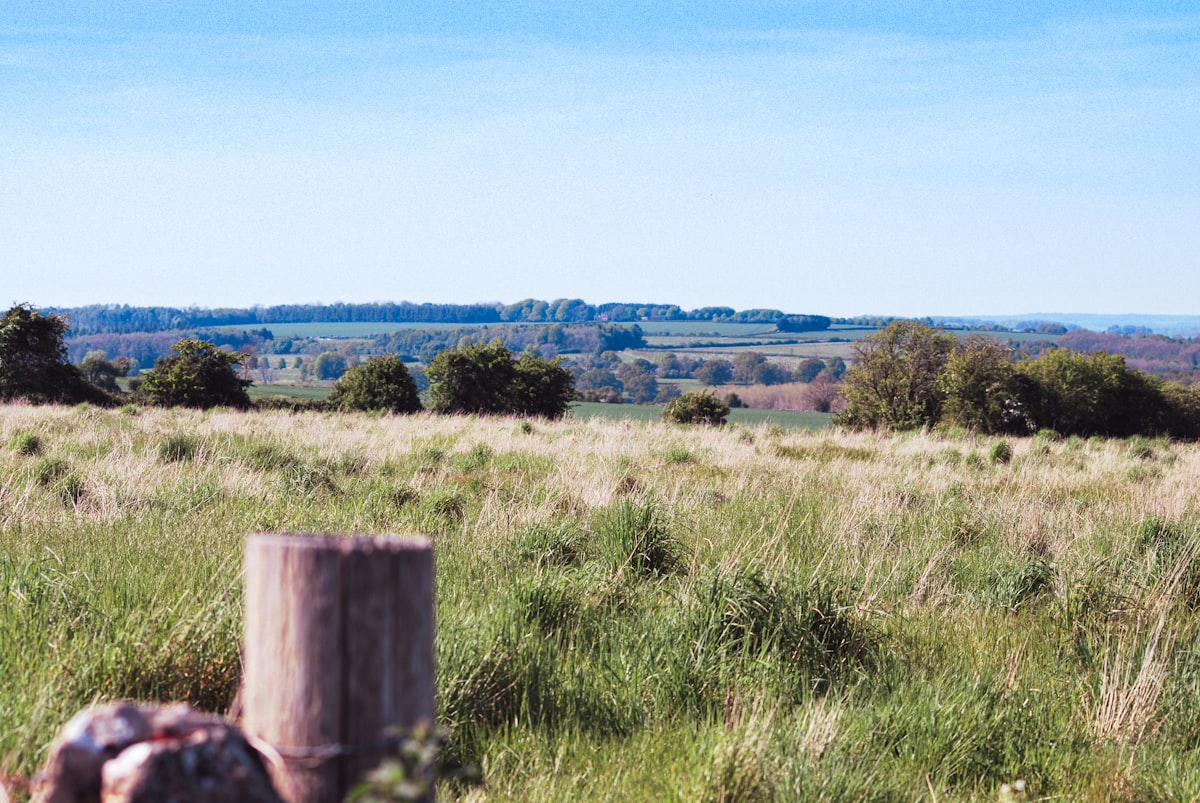
Stroud District has an unusually challenging topography for daylight and sunlight. The town of Stroud sits at the meeting point of the Five Valleys — steep-sided valleys including the Slad, Painswick, Nailsworth and Chalford valleys — where buildings frequently step up hillsides on terraced plots. Slopes and tiered layouts change how sunlight reaches windows and gardens, and a building uphill of a neighbour can have a greater overshadowing effect than the same building on flat ground. The District also runs along the Cotswold escarpment (the western edge of the Cotswolds National Landscape) and includes the restored Stroudwater Navigation / Cotswold Canals corridor, where canal-side regeneration brings new homes close to existing development. In all of these settings, an evidence-based daylight and sunlight assessment helps demonstrate that a scheme respects neighbouring amenity.
When to commission a daylight and sunlight report
- Your proposal could reduce daylight or sunlight to a neighbour's habitable-room windows or garden — particularly likely on Stroud's sloping plots.
- A neighbour has objected, or the planning officer has raised overshadowing, overlooking or loss of light.
- You are designing flats or a higher-density scheme and need to show adequate internal daylight under BS EN 17037.
- You want to test and refine a design before submission to reduce the risk of refusal or redesign.
A report prepared to BRE BR 209 (2022) gives the council objective figures to rely on and can be used to rebut an unjustified objection.
How Fortress Associates can help
Fortress Associates is a UK daylight and sunlight consultancy operating nationwide, including throughout Stroud District. We provide our daylight and sunlight report service prepared to BRE BR 209 (2022) and BS EN 17037 and referenced to the relevant Local Plan policies, giving your application clear, defensible evidence. We usually deliver assessments in 4–5 working days and ask for no advance payment. We also prepare Building Regulations drawings where a project requires them. To discuss your scheme, please contact us.
Related reading
For neighbouring districts in Gloucestershire, see our guides to daylight requirements in Cotswold and daylight requirements in the Forest of Dean.
Sources & further reading
Need help with a UK planning project?
Fixed-fee daylight reports and Building Regulations drawings — delivered in 4–5 working days. No advance payment.
Request a free quote