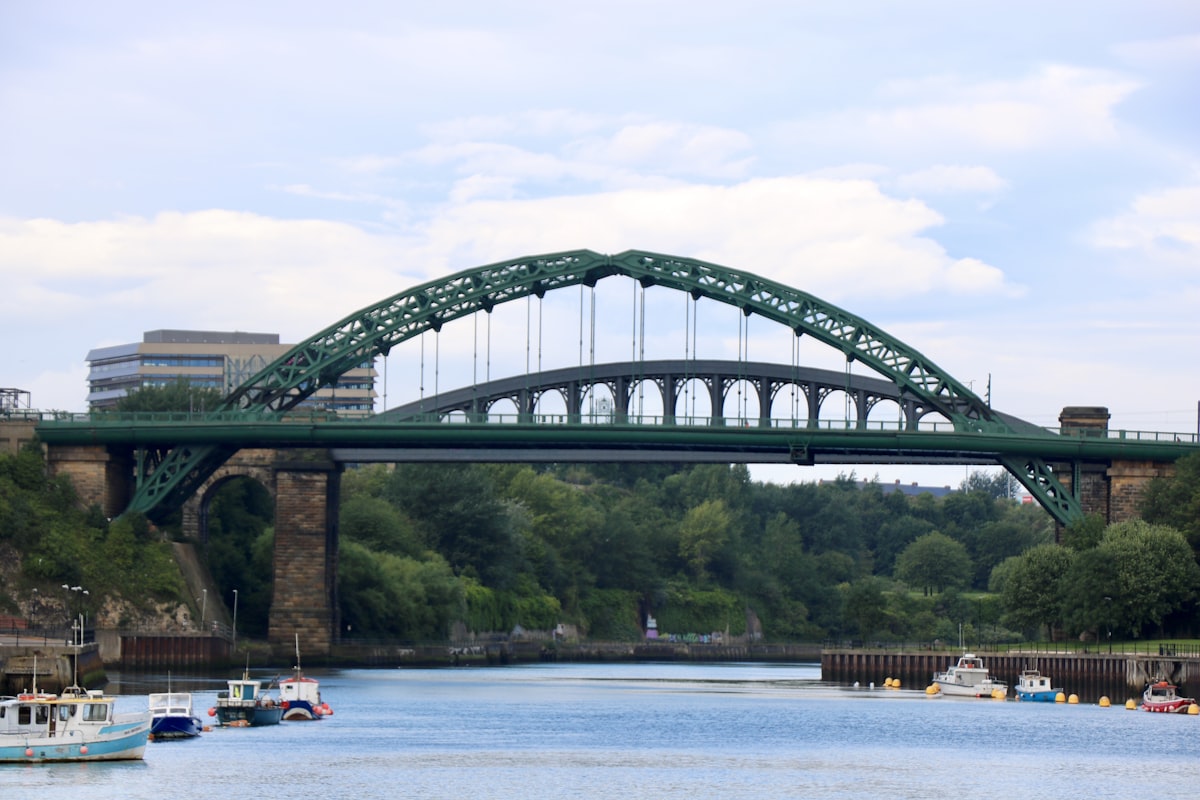
Understanding the daylight requirements in Sunderland matters whether you are extending a terraced home in Millfield, building out a plot in Washington or contributing to the wider regeneration of the city centre waterfront. Sunderland City Council assesses the daylight and sunlight effects of development through its adopted development plan, supported by a design guide and by national methodology. This article sets out how those documents fit together and what an applicant should expect.
The adopted planning framework in Sunderland
The statutory development plan for the city is the Core Strategy and Development Plan 2015-2033, which Sunderland City Council adopted on 30 January 2020. It is the starting point for determining planning applications under section 38(6) of the Planning and Compulsory Purchase Act 2004, and it is where the council's expectations on amenity and design are set out.
Two policies are particularly relevant when daylight and sunlight are in question:
- Policy BH1 (Design Quality) sets out the general design principles that development is expected to follow, including that proposals should achieve high-quality design and respond appropriately to their surroundings.
- Policy HS1 (Health and Wellbeing / amenity) requires that development does not result in unacceptable adverse impacts on quality of life and amenity, taking into account matters such as light, outlook and the living conditions of existing and future occupiers.
Policy H1 (Housing Land and the Delivery of New Homes) governs the mix and density of new housing, which is relevant because higher densities place greater pressure on separation distances and on protecting daylight to neighbouring windows. None of these policies sets a numerical daylight target in itself; instead they require acceptable amenity, and the council looks to recognised technical guidance to judge what is acceptable.
The Residential Design Guide SPD
Sunderland supplements the development plan with its adopted Residential Design Guide Supplementary Planning Document (SPD). This is the document that translates the broad amenity policies into practical guidance, dealing with matters such as separation between dwellings, privacy, outlook and overshadowing for new homes and extensions. Where an extension or infill plot risks overshadowing a neighbour or breaching reasonable separation, the SPD is the council's first reference point, and applicants are expected to demonstrate compliance with it.
Because the SPD provides design principles rather than a full technical daylight standard, the council relies on the established national methodology to quantify any loss of light. That is where the BRE guidance comes in.
How daylight requirements in Sunderland are measured
For the technical assessment of daylight and sunlight, Sunderland applies the standard national approach used across England:
- BRE BR 209 (2022), Site Layout Planning for Daylight and Sunlight: A Guide to Good Practice — the recognised methodology for assessing daylight to neighbours (Vertical Sky Component and the no-sky-line / daylight distribution tests), sunlight (Annual and Winter Probable Sunlight Hours) and overshadowing of amenity areas.
- BS EN 17037 (Daylight in Buildings) — the British and European standard relevant to daylight provision within new dwellings themselves.
- The National Planning Policy Framework (NPPF) — which asks for good standards of amenity and, importantly, encourages a flexible approach to daylight and sunlight where a site could otherwise accommodate sustainable development, particularly in town centre and regeneration locations.
These documents are applied through the Local Plan: the policies require acceptable amenity, and BR 209 together with BS EN 17037 provides the numerical yardstick by which the council and its officers judge whether that test is met.
Why Sunderland's context affects the judgement
Sunderland is not a uniform city, and the daylight judgement varies with location:
- Riverside Sunderland is a 33-hectare regeneration of the city centre waterfront on both banks of the River Wear, sub-divided into the Vaux, Sheepfolds, Farringdon Row, Heart of the City and Ayre's Quay quarters. The first phase at the former Vaux brewery site delivers around 133 new homes, part of a masterplan target of roughly 1,000 dwellings. In a dense, multi-storey waterfront setting like this, the NPPF's flexibility on daylight is highly relevant, and assessments often weigh the benefits of regeneration against strict numerical targets.
- In the city's established residential suburbs and former mining communities — from Hendon and Millfield through to Houghton-le-Spring and the Washington and Coalfield areas — the emphasis is more squarely on protecting the daylight, sunlight and privacy of existing homes, where the Residential Design Guide SPD and BR 209 tests carry significant weight.
Understanding which context a site sits in is central to preparing a report that the council will accept.
What a daylight and sunlight report should contain
A robust report for a Sunderland application will normally:
- Identify the relevant CSDP policies (typically BH1 and HS1) and reference the Residential Design Guide SPD.
- Assess daylight to neighbouring habitable rooms using the Vertical Sky Component and no-sky-line tests in BR 209 (2022).
- Assess sunlight using Annual and Winter Probable Sunlight Hours, and test overshadowing of gardens and amenity areas.
- Where new homes are proposed, address internal daylight provision against BS EN 17037.
- Explain any departures from numerical targets in the light of the NPPF and the site's regeneration or urban context.
How Fortress Associates can help
Fortress Associates prepares our daylight and sunlight report service to BRE BR 209 (2022) and BS EN 17037, tailored to the policies of the Sunderland Core Strategy and Development Plan and the Residential Design Guide SPD. We work UK-wide with a turnaround of four to five working days and no advance payment. We also produce Building Regulations drawings to the Approved Documents. To discuss a Sunderland site, get in touch with our team.
Sources & further reading
Need help with a UK planning project?
Fixed-fee daylight reports and Building Regulations drawings — delivered in 4–5 working days. No advance payment.
Request a free quote