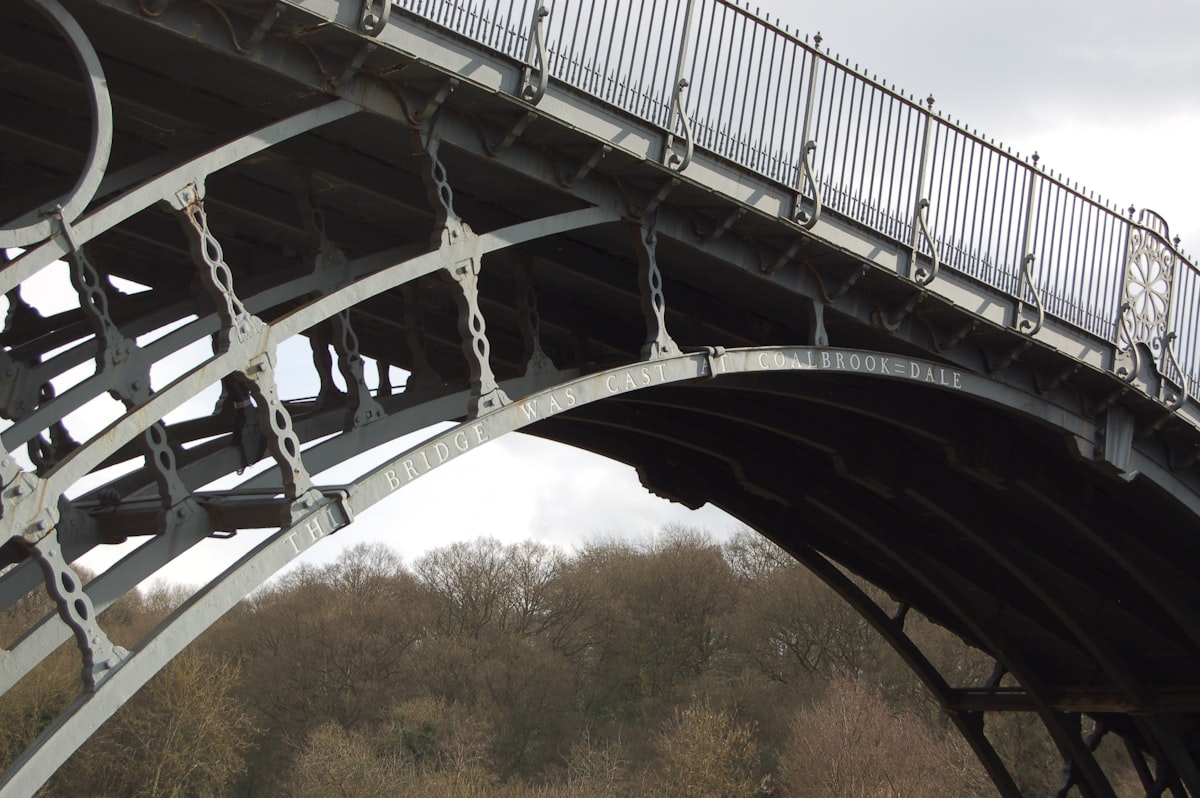
If you are planning a new home, an extension, or a larger residential scheme in the borough, understanding the daylight requirements in Telford and Wrekin will help your application run smoothly. From the historic terraces around the Ironbridge Gorge to the planned neighbourhoods of one of Britain's best-known new towns, Telford & Wrekin Council expects development to safeguard the light, outlook and privacy of existing and future residents. This guide sets out the local policy position and the technical standards that apply.
The planning policy framework in Telford and Wrekin
Telford and Wrekin is a unitary authority, so Telford & Wrekin Council is the local planning authority for the whole borough. The adopted development plan is the Telford & Wrekin Local Plan 2011–2031, which the council formally adopted on 11 January 2018. It sets the vision and strategy for the borough to 2031 and is the starting point for determining planning applications. The council is currently progressing a review of the Local Plan, so applicants should check whether the emerging plan carries any weight at the time of submission.
The key design and amenity policy is:
- Policy BE1 (Design Criteria), which requires development to be well designed and to respect the character of its surroundings. Critically for light, the policy is used by the council to assess impacts on residential amenity, including loss of light, overshadowing and loss of privacy to neighbouring properties.
Policy BE1 works alongside the wider built environment and housing policies of the plan, and is applied together with the National Planning Policy Framework (NPPF), which seeks a high standard of amenity for existing and future users of land and buildings.
Telford and Wrekin's local standards and guidance
Telford & Wrekin Council does not set its own borough-specific numerical daylight thresholds; instead it relies on the nationally recognised BRE methodology for the technical assessment. However, the council does apply well-established separation distance standards as good practice when judging amenity impacts:
- 21 metres between facing building faces for two-storey dwellings;
- 27.5 metres for three storeys and above, and where main living room or kitchen windows above ground level would overlook existing conventional dwellings; and
- an increase of 2 metres in separation for every 1 metre rise in ground level between new and existing dwellings.
These distances are treated as good practice rather than rigid rules; the council has confirmed it has no formally adopted separation standards, so schemes that fall short can still be acceptable where professional judgement supports them. The council also applies minimum private garden and amenity space standards, which interact with overshadowing assessments.
On the supplementary guidance side, the council has adopted a number of SPDs relevant to design and context, including the Ironbridge Gorge World Heritage Site SPD (adopted July 2023), Climate Change Guidance for Development SPD (July 2023), the Homes for All SPD on accessible and specialist housing, and the older Design for Community Safety SPD. While these do not set daylight figures, they shape the design context within which amenity is judged.
Daylight requirements in Telford and Wrekin: the technical standards
Where a daylight and sunlight assessment is required, the recognised benchmarks are BRE guidance BR 209, ‘Site Layout Planning for Daylight and Sunlight: A Guide to Good Practice’ (2022 edition), supported by the British Standard BS EN 17037 ‘Daylight in Buildings’. These are applied through Policy BE1 and the NPPF. A thorough assessment typically considers:
- Vertical Sky Component (VSC) and the daylight distribution test for neighbouring windows;
- Annual Probable Sunlight Hours (APSH) for affected windows and amenity areas;
- Internal daylight provision for the proposed dwellings, increasingly expressed via the illuminance targets of BS EN 17037; and
- Overshadowing of gardens and amenity spaces, usually tested on 21 March.
The BRE guidance is advisory. Telford & Wrekin Council weighs the numerical results against context, the prevailing layout of the area and the benefits of the scheme. In practice, the council's separation standards and the BRE tests work together: meeting the 21m / 27.5m distances does not remove the need to demonstrate acceptable light where windows or gardens are affected.
When is an assessment likely to be needed?
A daylight and sunlight report is most often requested where development is taller or denser than its neighbours, where it sits close to existing homes, or where a constrained plot makes loss of light a likely objection. In Telford's planned residential areas, layout and spacing of new estates is a recurring theme, while in the older settlements around the Gorge tight plots and historic relationships make light impacts more sensitive.
Local context that shapes daylight assessments in Telford and Wrekin
- A planned new town. Telford was designated as a new town and much of the borough was developed to deliberate layouts. New residential schemes are routinely judged against the council's separation and amenity standards, making spacing and orientation central to design.
- The Ironbridge Gorge World Heritage Site. This internationally significant area, the birthplace of the Industrial Revolution, has its own adopted SPD. Development here faces additional design scrutiny, and the dense historic grain means daylight and overshadowing impacts can be acute.
How Fortress Associates can help
Fortress Associates prepares our daylight and sunlight report service to the BRE BR 209 (2022) methodology and BS EN 17037, set out clearly so Telford & Wrekin Council case officers and your design team can rely on the findings. We work nationwide with a 4 to 5 working day turnaround and ask for no advance payment. We also produce Building Regulations drawings to the Approved Documents (A–S). For a Telford and Wrekin project, please get in touch.
Related reading
If your work spans more than one council, our companion guide on daylight requirements in Swindon may help. You can also read more about Fortress Associates and the standards we follow.
Sources & further reading
Need help with a UK planning project?
Fixed-fee daylight reports and Building Regulations drawings — delivered in 4–5 working days. No advance payment.
Request a free quote