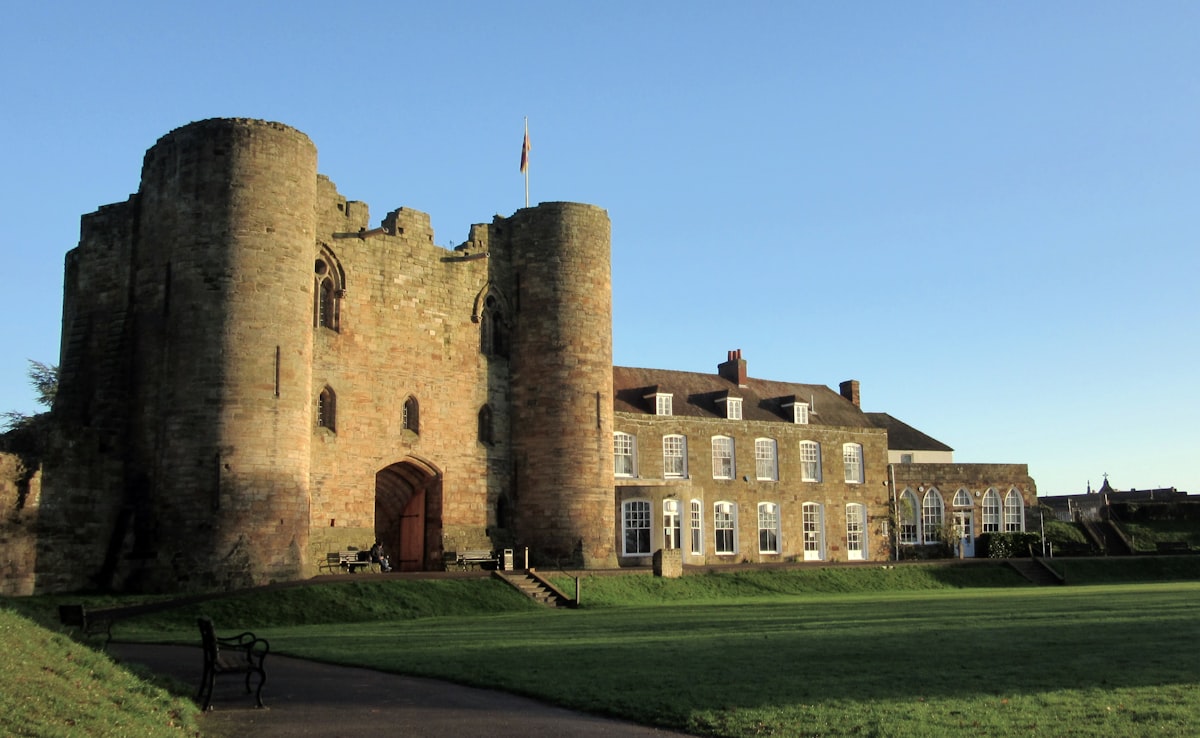
Understanding the daylight requirements in Tonbridge and Malling is essential for anyone planning a house extension, a new dwelling, or a larger residential scheme in the borough. The local planning authority is Tonbridge and Malling Borough Council (a shire district authority covering towns and villages such as Tonbridge, West Malling, Snodgrass area villages, Aylesford and East Malling, along the River Medway), not Kent County Council. This guide explains the policy framework the council uses, the technical guidance that applies, and how a robust daylight and sunlight assessment can keep your proposal on solid ground.
The adopted development plan in Tonbridge and Malling
It is important to be accurate about which plan is currently in force, because Tonbridge and Malling has been through a long plan-making journey. The submitted 2019 Local Plan ran into difficulty at examination over the duty to cooperate, and the council withdrew it from examination in 2021. A new Local Plan is being prepared and reached the Regulation 18 (issues and options) consultation stage over the winter of 2025 to 2026; at the time of writing it is emerging and carries limited weight, not adopted weight.
As a result, the development plan that decision-makers actually apply remains the suite of Local Development Framework documents:
- The Tonbridge and Malling Core Strategy (adopted 2007), which contains the strategic design and sustainability policies;
- The Development Land Allocations DPD (adopted 2008); and
- The Managing Development and the Environment DPD (adopted April 2010), which carries the more detailed development management policies.
If you are checking weight given to any policy, confirm its status against the council's current development plan page before you rely on it, as the emerging Local Plan progresses through its stages.
Which policies cover amenity and design
Two policies do most of the work where light and overshadowing are concerned:
- Core Strategy Policy CP24 – Achieving a High Quality Environment. This is the borough's headline design policy. It requires development to be well designed and, through its scale, density, layout, siting, character and appearance, to respect the site and its surroundings. Protecting the amenity of neighbouring occupiers – including reasonable levels of daylight, sunlight and freedom from overbearing or overshadowing impacts – falls squarely within "respecting the surroundings" under this policy.
- Core Strategy Policy CP1 – Sustainable Development, which sets the overarching expectation that development is sustainable and acceptable in its context.
These are supported by the detailed policies of the Managing Development and the Environment DPD (2010), including Policy SQ1 on landscape and townscape protection and enhancement, which is in turn supplemented by the council's Character Area Appraisals. Together these establish that harm to neighbouring living conditions through loss of light is a material planning consideration that the council weighs in the balance.
The role of the Kent Design SPD
Tonbridge and Malling uses the Kent Design SPD to supplement Policy CP24 and give fuller advice on layout, spacing and the relationship between buildings. Kent Design is a county-wide design guide adopted by Kent authorities; it informs good practice on matters such as separation distances and back-to-back relationships, which in turn affect overlooking, outlook and access to light. It does not replace the technical daylight and sunlight methodology, but it shapes the design context in which a scheme is judged.
Is there a dedicated daylight and sunlight SPD?
Tonbridge and Malling does not have a standalone daylight and sunlight supplementary planning document setting bespoke numerical targets. Instead, daylight and sunlight are assessed through the design and amenity policies above, read alongside national guidance. In practice that means three nationally recognised references are applied via the Local Plan:
- BRE BR 209 (2022) – "Site layout planning for daylight and sunlight: a guide to good practice", the standard method for assessing daylight to neighbours (Vertical Sky Component and the daylight distribution / No Sky Line test), sunlight (Annual Probable Sunlight Hours), and overshadowing of gardens and amenity space;
- BS EN 17037 – "Daylight in buildings", which addresses daylight provision within new habitable rooms; and
- The National Planning Policy Framework (NPPF), which expects high-quality design and a good standard of amenity for existing and future occupiers, while also cautioning against applying daylight and sunlight standards too rigidly where they would unreasonably inhibit otherwise acceptable development.
This BRE-led approach is reflected in how appeals in the borough are decided: Planning Inspectorate decisions affecting Tonbridge and Malling sites have turned on daylight, sunlight and overshadowing assessments measured against BRE guide levels – for example, whether neighbouring amenity spaces retain at least two hours of sunlight on 21 March in line with BRE criteria. That makes a properly prepared BRE report directly relevant to the evidence a case officer or inspector will expect.
What this means for your application
If your proposal could affect a neighbour's windows or garden – a two-storey rear or side extension, a first-floor addition close to a boundary, a backland dwelling, or a flatted scheme – it is sensible to assess the daylight and sunlight impact early. A BRE BR 209 (2022) assessment lets you:
- Test the scheme against recognised numerical targets before you submit, so you can refine massing, height or position to reduce harm;
- Demonstrate compliance (or proportionate, justified departures) clearly to the case officer, addressing CP24 amenity concerns head-on; and
- Provide credible technical evidence if a neighbour objects or the matter goes to appeal.
Because Tonbridge and Malling contains a mix of dense town-centre plots in Tonbridge, suburban areas around Larkfield and East Malling, and tighter historic settings such as West Malling High Street, the right benchmark depends heavily on the existing context. A report tailored to your specific site is far more persuasive than a generic statement.
How Fortress Associates can help
Fortress Associates prepares our daylight and sunlight report service to BRE BR 209 (2022), BS EN 17037 and the relevant national and local policy, so your submission speaks directly to the council's CP24 amenity tests. We work nationwide with a 4 to 5 working day turnaround and ask for no advance payment. We also produce Building Regulations drawings where your project needs them. To discuss a Tonbridge and Malling scheme, get in touch with our team.
Sources & further reading
Need help with a UK planning project?
Fixed-fee daylight reports and Building Regulations drawings — delivered in 4–5 working days. No advance payment.
Request a free quote