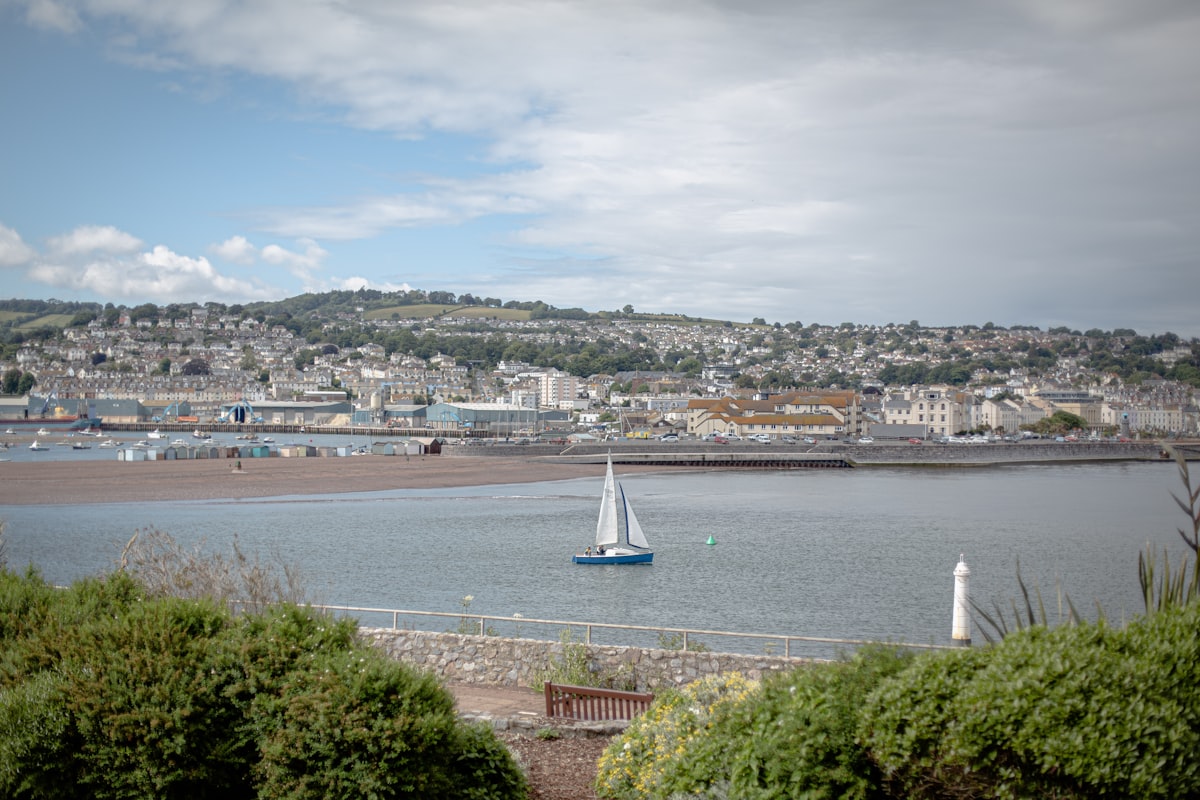
Understanding the daylight requirements in Torbay is essential for anyone planning a residential extension, an infill home or a larger development across Torquay, Paignton or Brixham. The English Riviera is characterised by steep coastal topography, tightly packed Victorian and Edwardian terraces and elevated sea-facing plots, all of which make daylight, sunlight and outlook unusually sensitive considerations. This guide explains how Torbay Council assesses these matters, which policies apply, and how a properly prepared daylight and sunlight report can support your scheme.
Daylight requirements in Torbay: the policy framework
Torbay is a unitary authority and is therefore its own Local Planning Authority (LPA), determining applications for Torquay, Paignton and Brixham. The development plan is the Torbay Local Plan 2012-2030 ("A landscape for success"), which was adopted by full Council on 10 December 2015. It plans for at least 8,900 new homes over the plan period and remains the starting point for decisions, alongside any made neighbourhood plans.
Two adopted policies are most relevant to daylight and amenity:
- Policy DE1 (Design) - requires development to be of high quality, to respond to local character and context, and to protect the amenity of existing and future occupiers.
- Policy DE3 (Development amenity) - sets out requirements for good living conditions, including the relationship between buildings, internal and external space, outlook and the avoidance of unacceptable harm to neighbouring amenity. Policy DE3 also sets garden and amenity space guidelines (around 55 sq m of outside space for houses and 10 sq m per flat).
Policy DE2 (Building for a Healthy Life, formerly Building for Life) encourages well-designed, healthy neighbourhoods and supports the wider amenity objectives of the plan.
Is there a Torbay daylight and sunlight SPD?
Torbay does not have a dedicated daylight and sunlight Supplementary Planning Document. The Council's House Extension Design Guide sets out design principles - scale, massing remaining subservient to the original dwelling, a minimum 300mm set-down and set-back on extensions, and respecting the streetscene - but it does not prescribe numeric daylight or sunlight tests, nor a 45-degree or 25-degree rule.
In the absence of a local numeric standard, Torbay assesses daylight and sunlight against nationally recognised guidance applied through Local Plan Policies DE1 and DE3. In practice that means the Building Research Establishment's BRE guide BR 209 (2022 third edition), BS EN 17037 on daylight in buildings, and the amenity objectives of the National Planning Policy Framework (NPPF). The NPPF is explicit that planning should take a flexible approach to daylight where it would otherwise inhibit appropriate development, while still protecting living conditions.
What the BRE methodology assesses
A daylight and sunlight report prepared to BR 209 typically considers:
- Vertical Sky Component (VSC) - daylight reaching neighbouring windows, with the familiar 27% benchmark and the "0.8 times former value" test for any reduction.
- No Sky Line / Daylight Distribution - the spread of daylight within rooms.
- Annual Probable Sunlight Hours (APSH) - sunlight to windows and gardens, particularly relevant on Torbay's south-facing coastal slopes.
- Overshadowing of gardens and amenity areas on the 21 March baseline.
Why Torbay sites are different
Two local characteristics matter in particular. First, much of Torquay and Brixham sits on steep slopes running down to the sea, so a modest extension or a new storey can have a disproportionate effect on a downhill neighbour's outlook and sunlight - the geometry rarely matches the flat-site assumptions behind simple rules of thumb. Second, large parts of the bay fall within or near Conservation Areas and the coastal setting valued by the English Riviera, where design quality under Policy DE1 is scrutinised closely. A robust, evidence-based daylight assessment helps demonstrate that a scheme respects neighbouring living conditions while making efficient use of constrained urban land - exactly the balance the NPPF asks for.
It is also worth noting the emerging Torbay Local Plan 2025-2045 ("A Landscape to Thrive"), which is progressing through its statutory stages. Until it is adopted, the 2012-2030 plan and its DE-series policies carry full weight, but applicants on longer-running projects should keep the update in view.
How Fortress Associates can help
Fortress Associates provides our daylight and sunlight report service assessing schemes to BRE BR 209 (2022) and BS EN 17037, with clear results that planning officers and neighbours can understand. We work nationwide, with a 4-5 working day turnaround and no advance payment required. We also prepare Building Regulations drawings to Approved Documents A-S. To discuss a Torbay project in Torquay, Paignton or Brixham, please get in touch.
Sources & further reading
Need help with a UK planning project?
Fixed-fee daylight reports and Building Regulations drawings — delivered in 4–5 working days. No advance payment.
Request a free quote