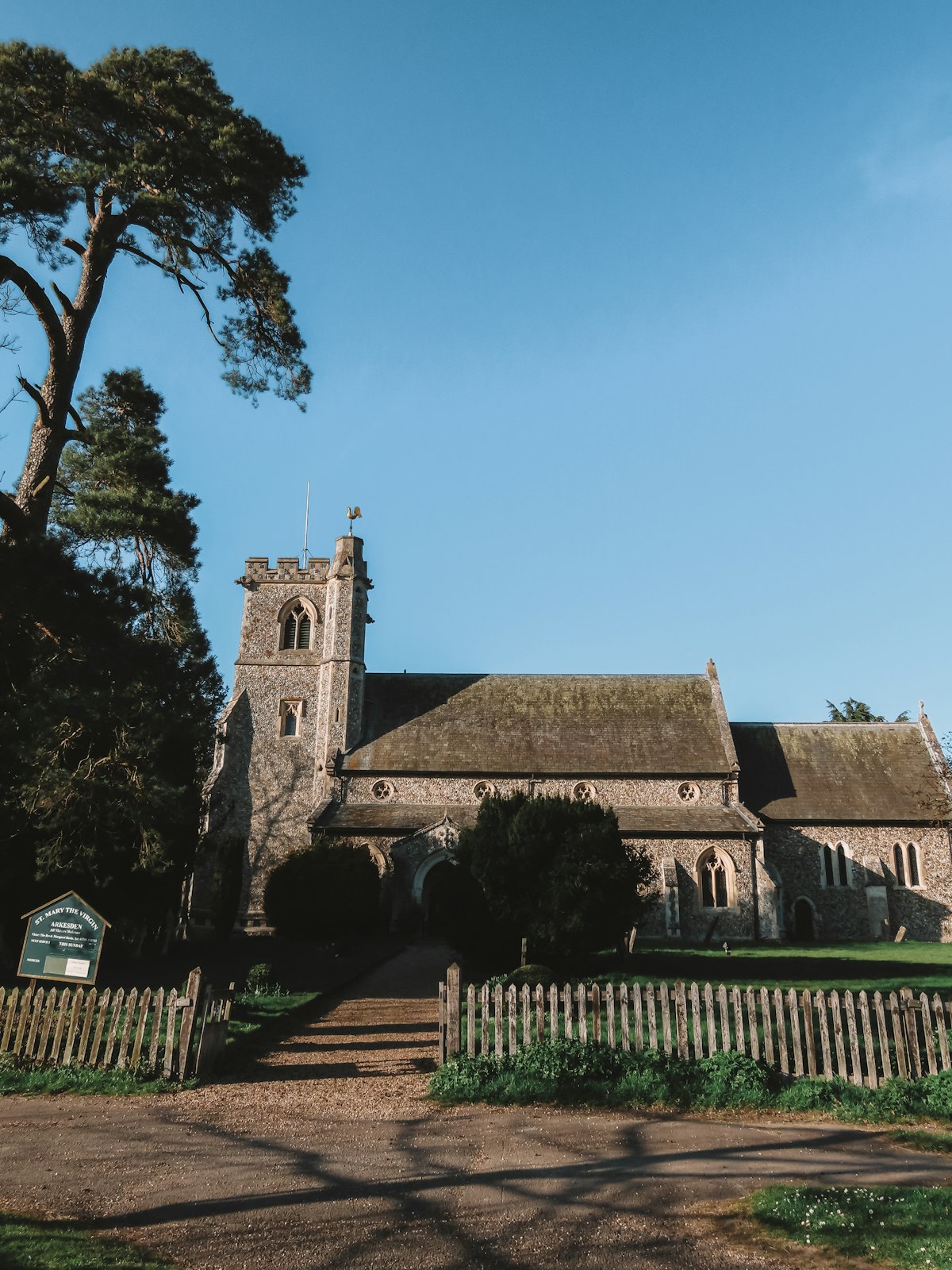
For anyone planning a project in this north-west Essex district, understanding the daylight requirements in Uttlesford has become more important than ever following the adoption of a brand-new local plan in 2026. Whether you are extending a period cottage in Saffron Walden, building homes near Great Dunmow, or developing close to London Stansted Airport, Uttlesford District Council will assess the effect of your proposal on the daylight and sunlight reaching neighbouring homes and gardens, as well as the quality of light within the new accommodation. This guide sets out the current policy framework, the recognised technical standards, and when a daylight and sunlight assessment is likely to be required.
Who is the local planning authority in Uttlesford?
Uttlesford District Council is the local planning authority (LPA) — not Essex County Council. The district is a rural shire district covering the market towns of Saffron Walden and Great Dunmow, the villages around London Stansted Airport, and a large stretch of protected countryside. It is one of the most historic parts of Essex, with around 3,700 listed buildings, 35 conservation areas and seven Registered Parks and Gardens. The council determines planning applications across this area and applies its adopted development plan to questions of residential amenity, including daylight, sunlight and overshadowing.
The newly adopted development plan
After many years without an up-to-date plan, Uttlesford District Council adopted the Uttlesford Local Plan 2021–2041 on 25 March 2026, following an independent examination and the inspectors' recommended main modifications. This new plan replaces the long-standing saved policies of the previous Uttlesford Local Plan (adopted January 2005) and is now the primary document against which applications are determined. Applicants and agents should make sure they are working to the new plan rather than the superseded 2005 policies. The policies most relevant to daylight, sunlight and amenity are:
- Core Policy 52 (Good Design Outcomes and Process) – the district's principal design policy. It requires proposals to demonstrate compliance with national policy and guidance on design, and specifically with the most up-to-date versions of the Uttlesford Design Code and the Essex Design Guide. It is structured around ten characteristics of good design, including "homes and buildings" that are functional, healthy, comfortable and sustainable with well-related amenity — which in practice covers the relationship between buildings and their effect on a neighbour's light and outlook.
- Core Policy 53 (Standards for New Residential Development) – sets the standards new homes must meet, working alongside Core Policy 55 (Residential Space Standards) to secure good-quality internal living conditions, including adequate daylight, for future occupiers.
Major schemes and strategic allocations are also assessed under Core Policy 52a (Good Design Outcomes and Process for Strategic Allocations), which adds masterplanning and design-review requirements where massing and layout — and therefore overshadowing — are decided.
The role of the Essex Design Guide
A distinctive feature of Uttlesford's approach is the central role of the Essex Design Guide, which the council has adopted and which Core Policy 52 requires development to follow. The guide sets standards for well-designed homes and neighbourhoods and addresses sunlight, daylight and ventilation, minimising the risk of overshadowing and loss of privacy, managing overlooking, and providing external amenity space for every home. The accompanying Uttlesford District-Wide Design Code applies these principles locally. Together these documents are the design-led starting point for assessing amenity impacts in the district.
Daylight Requirements in Uttlesford: the technical standards that apply
The Local Plan and the Essex Design Guide set the policy and design principles — that development must protect daylight, sunlight and privacy — but the numerical assessment of light is carried out using the established national technical guidance. The recognised reference documents are:
- BRE BR 209, Site Layout Planning for Daylight and Sunlight: A Guide to Good Practice (third edition, 2022) – the standard methodology for assessing daylight to neighbouring windows (Vertical Sky Component and the no-sky-line / daylight distribution test), sunlight to windows (Annual Probable Sunlight Hours), and overshadowing of gardens and amenity areas.
- BS EN 17037 Daylight in Buildings – the standard for internal daylight provision in new dwellings, referenced within the 2022 BRE guidance.
- The National Planning Policy Framework (NPPF) – which seeks a high standard of amenity for existing and future occupiers while supporting a flexible, context-led approach to daylight and sunlight.
In Uttlesford these standards are applied through Core Policies 52, 53 and 55 and the Essex Design Guide. The council does not publish its own alternative numerical daylight targets; BRE BR 209 (2022) remains the benchmark used in practice where overshadowing or loss of light to neighbours is in dispute.
When is a daylight and sunlight assessment needed?
Not every application requires a formal report. A modest single-storey rear extension well away from a boundary is unlikely to need numerical analysis. However, a BRE-based daylight and sunlight assessment is strongly advisable where a proposal is:
- a two-storey or first-floor extension close to a shared boundary in the dense historic streets of Saffron Walden or a village core, where it could materially reduce daylight to a neighbour's habitable-room windows;
- a new infill dwelling or small flatted scheme where windows are close together and overshadowing of gardens is likely;
- a larger or strategic development assessed under the major-development and design-code requirements, where shadow studies and layout analysis are expected to demonstrate that homes and gardens receive adequate sunlight.
A clear, BRE-compliant report supports compliance with Core Policy 52 and the Essex Design Guide, and gives case officers the evidence they need to address objections and recommend approval.
Local context that affects daylight in Uttlesford
Two local characteristics particularly shape how daylight and sunlight issues arise:
- An exceptionally historic, tightly built townscape. With around 3,700 listed buildings and 35 conservation areas, much of Saffron Walden and the older villages comprises closely spaced, often listed properties on narrow plots, where even a modest extension can affect a neighbour's light and where design must respect heritage as well as amenity.
- Growth around Stansted and the market towns. Development pressure near London Stansted Airport — subject to the Stansted Countryside Protection Zone — and on allocated sites around Great Dunmow brings new, higher-density layouts where the spacing, orientation and massing of homes must be designed from the outset to protect daylight, sunlight and privacy.
How Fortress Associates can help
Fortress Associates provides our daylight and sunlight report service to homeowners, architects and developers across Uttlesford and the whole of the UK. Our reports follow BRE BR 209 (2022) and BS EN 17037 and are prepared to support planning submissions assessed under Core Policies 52, 53 and 55 of the Uttlesford Local Plan and the Essex Design Guide. We work to a 4–5 working day turnaround and ask for no advance payment. We can also prepare your Building Regulations drawings. To discuss a project, please get in touch.
Sources & further reading
Need help with a UK planning project?
Fixed-fee daylight reports and Building Regulations drawings — delivered in 4–5 working days. No advance payment.
Request a free quote