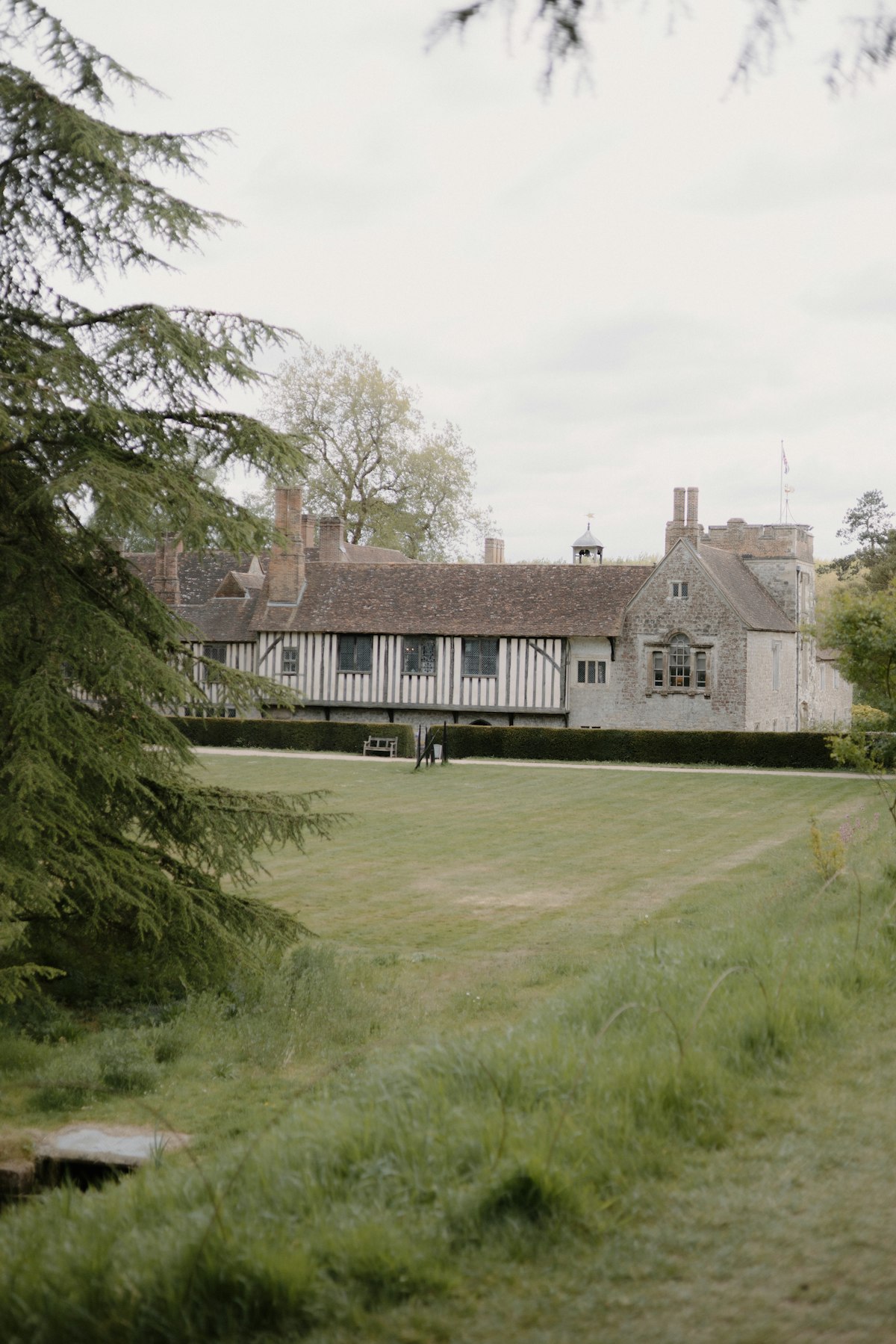
If you are planning an extension or a new home in Gainsborough, Market Rasen, Caistor or one of the villages along the Trent, understanding the daylight requirements in West Lindsey will help your application run smoothly. West Lindsey District Council is the local planning authority (LPA) for the area — Lincolnshire County Council is not — and it is West Lindsey's planners who decide whether a proposal protects the daylight, sunlight and amenity of neighbouring homes. This article sets out the adopted policy framework, the council's validation position on daylight assessments, and what a sound assessment should contain.
Who is the planning authority in West Lindsey?
West Lindsey is a shire district, so the district council is responsible for determining householder and residential planning applications. The county council deals with highways, education, minerals and waste, but matters such as overshadowing of a neighbour's garden, loss of light to a habitable-room window, or overlooking are assessed by West Lindsey District Council against its adopted development plan.
The Central Lincolnshire Local Plan 2023
West Lindsey does not have a standalone local plan. Instead, planning decisions are made under the Central Lincolnshire Local Plan, which was adopted on 13 April 2023. This is a joint plan prepared with the City of Lincoln Council and North Kesteven District Council through the Central Lincolnshire Joint Strategic Planning Committee, and it replaced the previous 2017 plan. Because it is a joint plan, the same suite of policies applies whether your site is in Gainsborough, central Lincoln or a North Kesteven village — an important point if you are comparing precedents.
The plan does not set numerical daylight or sunlight targets. Instead, amenity is judged through criteria-based policies, of which the following are the most relevant:
- Policy S53 – Design and Amenity. This is the principal policy. It requires all development, including extensions and alterations, to achieve high quality design and to meet ten themed criteria. The decisive amenity criterion is point 8 (“Homes and Buildings”), sub-point (d), which requires that development “not result in harm to people's amenity either within the proposed development or neighbouring it through overlooking, overshadowing, loss of light or increase in artificial light or glare”. This single clause is the hook on which most daylight, sunlight and overshadowing objections in West Lindsey hang.
- Policy S6 – Design Principles for Efficient Buildings is cross-referenced by S53 and is relevant where orientation and glazing are being optimised for solar gain, which can interact with daylight to neighbours.
- Policy S20 sets internal space and quality standards for new homes, supporting the “good quality internal environments” expectation in S53(8)(a).
Policy S53 also confirms that proposals must satisfy the requirements of any adopted local design guide or design code, and that Design Codes informed by the National Model Design Code may be produced for parts of Central Lincolnshire.
Does West Lindsey require a daylight or sunlight assessment to validate an application?
This is where West Lindsey differs from some neighbouring authorities, and it is worth getting right. Following adoption of the 2023 plan, West Lindsey (with Lincoln and North Kesteven) published a Local Validation List. A daylight, sunlight or overshadowing assessment is not a mandatory validation document. In its published response to consultation on the list, the council confirmed that there is “no require[ment] for the purpose of validation to consider daylighting/shadows caused by a development”, and that daylight or shadow testing “would exceed the policy requirements under S53 and can always be requested by the case officer if particularly relevant to the application”.
In practice this means two things. First, your application will not be held invalid simply for omitting a daylight report. Second, and crucially, the case officer can and does request one where a scheme could realistically harm a neighbour's light — and refusal can still follow under S53(8)(d) if that harm is demonstrated. For anything beyond a minor extension, it is therefore prudent to commission an assessment proactively, rather than wait for a request that can delay determination.
West Lindsey publishes no numerical daylight Supplementary Planning Document. Where daylight and sunlight need to be tested, the recognised national methodology applies: BRE BR 209, “Site layout planning for daylight and sunlight: a guide to good practice” (2022), together with BS EN 17037 for the daylight provision of new homes, applied through Policy S53 and the wider plan, and consistent with the amenity expectations of the National Planning Policy Framework.
What a BRE-based assessment should report
- Vertical Sky Component (VSC) at affected neighbouring windows, against the 27% guideline and the 0.8×-former-value test.
- Daylight distribution (No Sky Line) within affected rooms.
- Annual Probable Sunlight Hours (APSH) for windows facing within 90° of due south.
- Overshadowing of gardens and amenity space, typically with shadow plots on 21 March.
Local context in West Lindsey
- Gainsborough. The town has a compact historic core around the Tudor Gainsborough Old Hall and tightly built Victorian terraces close to the River Trent, where infill and extensions sit near established homes and overlooking and loss of light are common concerns under S53(8)(d).
- Market Rasen, Caistor and the Wolds fringe. Much of eastern West Lindsey runs into the Lincolnshire Wolds, where lower-density, sloping village plots make overshadowing of gardens and the relationship between buildings a frequent design issue, and where artificial light and glare are also weighed.
How Fortress Associates can help
Fortress Associates prepares our daylight and sunlight report service to BRE BR 209 (2022), BS EN 17037 and the relevant Local Plan, so a West Lindsey submission addresses Policy S53(8)(d) directly and answers a case officer's likely questions before they are asked. We work nationwide with a 4–5 working day turnaround and no advance payment, and we also produce Building Regulations drawings. If you are not sure whether your Gainsborough or Market Rasen scheme needs an assessment, contact us for an honest view. You may also find our guide to daylight requirements in East Lindsey useful for comparison.
Sources & further reading
Need help with a UK planning project?
Fixed-fee daylight reports and Building Regulations drawings — delivered in 4–5 working days. No advance payment.
Request a free quote