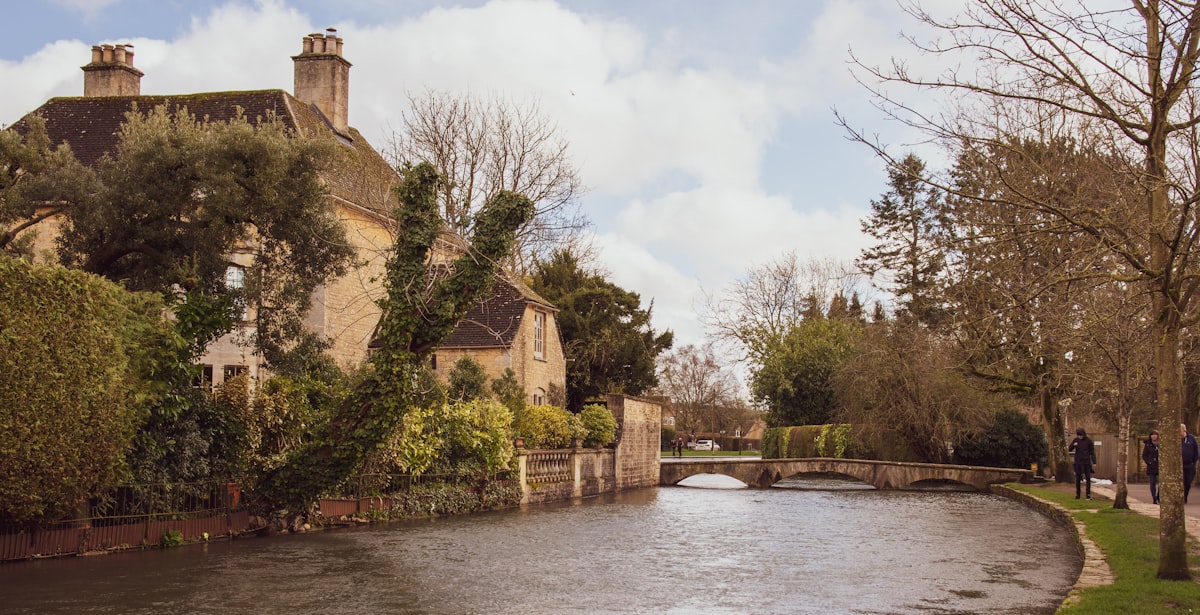
Understanding daylight requirements in West Oxfordshire is essential for anyone planning a residential extension, an infill plot or a larger housing scheme in Witney, Chipping Norton, Carterton, Woodstock or one of the district's many Cotswold villages. West Oxfordshire District Council, as the local planning authority (the LPA), assesses how a proposal affects the daylight and sunlight enjoyed by neighbouring homes, as well as the levels of natural light available to the new accommodation itself. This guide explains the local policy framework, the technical standards that apply, and how a properly prepared daylight and sunlight report can help your application progress smoothly.
It is worth noting at the outset that West Oxfordshire is a shire district: the District Council is the planning authority for most development matters, not Oxfordshire County Council. The county acts on matters such as minerals, waste and highways, but householder and residential planning decisions rest with the District Council.
Daylight requirements in West Oxfordshire: the policy framework
The starting point is the West Oxfordshire Local Plan 2031, which was formally adopted on 27 September 2018 and covers the plan period 2011 to 2031. It remains the statutory development plan against which planning applications are determined, although the Council is now preparing a new local plan for the period to 2043.
Two policies are particularly relevant to daylight and sunlight:
- Policy OS4 – High Quality Design. This policy requires development to be of a high quality design that responds positively to and respects the character of the site and its surroundings. It expects proposals to protect the amenity of existing and future occupiers, which in practice includes avoiding harmful loss of daylight, sunlight and privacy to neighbouring homes.
- Policy OS2 – Locating Development in the Right Places. This policy directs the bulk of new homes to the main service centres of Witney, Carterton and Chipping Norton, with a settlement hierarchy guiding development across rural service centres and villages. Higher-density development in these centres makes careful consideration of overshadowing and overlooking especially important.
Both policies sit alongside the wider design and environmental aims of the plan, including the protection of the district's distinctive character. West Oxfordshire is dominated by the Cotswolds National Landscape (formerly the Cotswolds AONB), and parts of the district fall within the setting of the Blenheim Palace World Heritage Site at Woodstock. Where a scheme touches these designations, sensitive massing and roof form become even more important — and these are exactly the design decisions that drive daylight and sunlight outcomes for neighbours.
The West Oxfordshire Design Guide
West Oxfordshire does not publish a standalone daylight and sunlight Supplementary Planning Document (SPD). Instead, design and amenity guidance is set out in the West Oxfordshire Design Guide, which was adopted in April 2016 as an SPD and remains a material consideration in planning decisions. The guide is a comprehensive, multi-part document; sections covering new development and context, and extensions and alterations, are the most relevant to householders.
The Design Guide encourages proposals that respect the scale, proportion and grain of the existing built environment — design qualities that have a direct bearing on whether an extension overshadows a neighbour or blocks light to a habitable-room window. Because the guide does not set out numerical daylight and sunlight targets, the recognised national technical benchmarks fill that gap, applied through the Local Plan's amenity requirements.
Which technical standards apply?
Where the Local Plan and Design Guide call for amenity to be protected, the technical assessment is carried out against nationally recognised guidance:
- BRE BR 209 (2022) — Site Layout Planning for Daylight and Sunlight: A Guide to Good Practice. This is the standard reference for assessing impact on neighbours, using tests such as the Vertical Sky Component (VSC), the No Sky Line / daylight distribution, and the Annual and Winter Probable Sunlight Hours (APSH).
- BS EN 17037 — Daylight in Buildings, which informs the assessment of daylight provision within new dwellings.
- The National Planning Policy Framework (NPPF), which requires good design and a high standard of amenity for existing and future users, applied locally through the adopted Local Plan.
A common rule of thumb used in West Oxfordshire and across the country is the 45-degree guideline, which gives an early indication of whether an extension is likely to harm a neighbour's daylight. A formal BRE-based assessment is the robust way to demonstrate compliance where impacts are uncertain or contested.
When is a daylight and sunlight assessment needed?
There is no blanket requirement for a daylight and sunlight report on every application. The Council's validation requirements and supporting-information guidance focus on a Design and Access Statement where relevant, and a daylight and sunlight assessment becomes important when:
- an extension or new building is close to a boundary with neighbouring habitable rooms;
- a two-storey or taller addition could overshadow an adjoining garden or windows;
- an infill or backland plot in Witney or Chipping Norton sits tightly among existing homes; or
- a neighbour has objected on grounds of loss of light, and objective evidence is needed.
In these situations a BRE BR 209 report can provide the objective evidence a case officer needs to weigh the impact against Policy OS4.
Local context that shapes daylight assessments
Two features of West Oxfordshire make local knowledge valuable. First, the prevalence of traditional Cotswold stone terraces and cottages in places such as Witney, Burford, Chipping Norton and Bampton means many homes sit close together with modest rear gardens — a context in which even a modest extension can affect a neighbour's light. Second, the district's strong heritage and landscape designations, including the Cotswolds National Landscape and the setting of Blenheim Palace, mean that the design response must reconcile light, amenity and character together rather than treating them as separate issues.
Getting the assessment right early helps avoid redesign, refusal or delay, and demonstrates to neighbours and officers that the impact on light has been considered objectively.
How Fortress Associates can help
Fortress Associates prepares our daylight and sunlight report service to BRE BR 209 (2022) and BS EN 17037, tailored to the policy context of the West Oxfordshire Local Plan 2031. We work nationwide with a 4 to 5 working day turnaround and ask for no advance payment. We also produce Building Regulations drawings to support your project. To discuss a Witney, Chipping Norton or wider West Oxfordshire scheme, see our services or get in touch via our contact page. You may also find our companion guide on daylight requirements in Lichfield useful for comparison.
Sources & further reading
Need help with a UK planning project?
Fixed-fee daylight reports and Building Regulations drawings — delivered in 4–5 working days. No advance payment.
Request a free quote