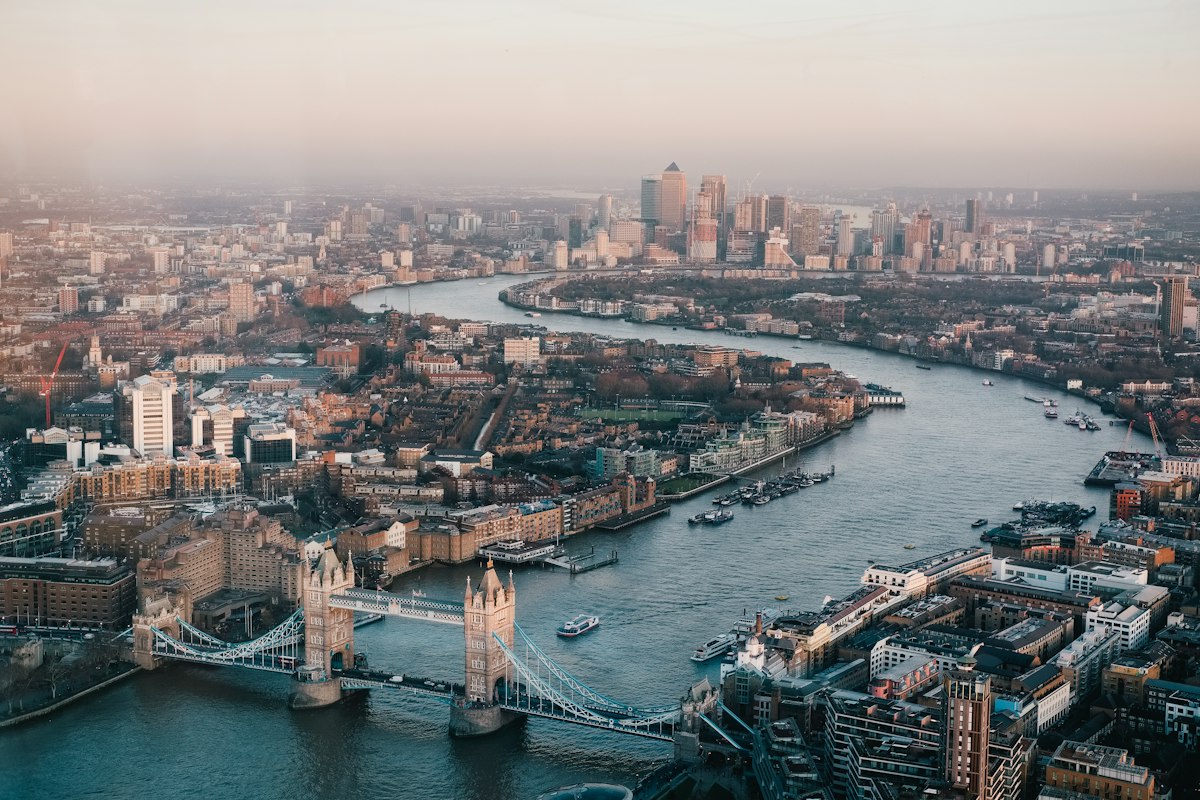
If you are designing housing in the capital in 2026, the headline is this: the rules on housing quality have been loosened to get more homes built, but London Plan Policy D6 still expects good daylight, and a credible daylight and sunlight assessment is still the surest way to defend your scheme. The Mayor's March 2026 "Homes for London" guidance gives decision-makers more discretion, not a free pass on natural light.
This post explains what the 2026 guidance actually changes, what it leaves untouched, and how applicants should approach daylight evidence under the revised regime. It is written for architects, developers and homeowners promoting schemes anywhere in Greater London.
What the London Plan says about daylight
The starting point is the London Plan 2021, which remains the statutory development plan for Greater London. Policy D6 ("Housing quality and standards") sets out the design expectations for new homes, including that development should "provide sufficient daylight and sunlight to new and surrounding housing that is appropriate for its context". Policy D6 does not invent its own numerical daylight test. Instead it relies on the established national methodology, which since June 2022 means the third edition of the BRE guide, BR 209, alongside BS EN 17037.
In practice that means a London daylight report assesses two things: the daylight reaching the proposed homes themselves (internal daylight, now measured against target daylight factors or target illuminance under BS EN 17037), and the impact of the proposal on daylight and sunlight to neighbouring properties (using Vertical Sky Component, the No-Sky Line and the Annual Probable Sunlight Hours sunlight tests). If you are new to those metrics, our explainer on VSC, NSL and APSH walks through each one.
What changed in 2026
In March 2026 the Mayor published "Homes for London: a package of support for housebuilding in the capital", together with updated London Plan Guidance on housing design. The thrust of the package is to remove or soften prescriptive design rules that were seen as constraining housing delivery, while keeping the underlying policy commitments to quality.
Two changes matter most for daylight:
- Single-aspect homes are easier to justify. The previous strong steer against single-aspect dwellings (particularly north-facing and single-aspect homes with three or more bedrooms) has been relaxed. The guidance now says that flexibility should be afforded to the provision of dual- and single-aspect dwellings, and that decision-makers are encouraged to support well-designed schemes even where single-aspect homes are proposed.
- The "eight homes per core per floor" limit is withdrawn. That rule, and the blanket requirement for all dwellings to be dual aspect, are removed. This gives designers more freedom over circulation and massing, both of which feed directly into how much daylight reaches each flat.
Crucially, the flexibility comes with a condition. Where a single-aspect home is proposed, the applicant must demonstrate that it will have adequate passive ventilation, daylight and privacy, and will avoid overheating. The burden of proof shifts onto the design team, and the evidence the decision-maker will look for is a daylight and sunlight assessment.
Why this raises the importance of a daylight report, not lowers it
It is tempting to read "more flexibility" as "less scrutiny". The opposite is closer to the truth. Under the old rules, a north-facing single-aspect flat might simply have been resisted in principle. Under the 2026 guidance it can be supported, but only if you can show with evidence that it achieves adequate daylight. Discretion for the decision-maker means they need something to exercise that discretion against, and a quantified daylight assessment against BR 209 and BS EN 17037 is exactly that.
We expect borough planning officers and the GLA to continue to ask for daylight and sunlight reports on most housing schemes of any scale. The London boroughs each adopt their own validation requirements and many have their own daylight guidance, so the local plan and validation checklist still bite on top of the London Plan. The 2026 guidance changes the policy emphasis; it does not remove the evidence requirement.
How BS EN 17037 changes the internal daylight picture
One point of confusion for applicants is the methodology behind the numbers. The 2022 BRE guide aligned the assessment of internal daylight with BS EN 17037. The older Average Daylight Factor and No-Sky Line internal tests have been superseded by target daylight factors that vary by region, with an alternative test expressed as a target illuminance in lux achieved across a proportion of the room over a proportion of daylight hours.
For London schemes this matters because single-aspect and deep-plan flats are precisely the layouts most likely to struggle against the target daylight factor. A competent assessor will model the proposed rooms early, flag the units at risk, and let the architect adjust window head heights, room depths or balcony overhangs before the design is fixed. Leaving the daylight modelling until validation is the most common and most expensive mistake we see.
Practical steps for London applicants in 2026
- Commission daylight modelling at concept stage. The cheapest time to fix a daylight problem is before the layout is frozen. For more on designing in daylight from the outset, see our note on designing schemes to pass first time (where published).
- Build the single-aspect evidence file. If your scheme relies on single-aspect homes, prepare the daylight, ventilation, privacy and overheating evidence together. Policy D6 part C is now explicitly the hook for that demonstration.
- Check the borough's local requirements. The London Plan sits above 33 local planning authorities, each with its own validation checklist and, in several cases, its own daylight supplementary guidance.
- Don't assume neighbour impact has softened. The 2026 changes are about the quality of the proposed homes. The tests protecting neighbouring properties (VSC, NSL and APSH) are unchanged, and well-evidenced neighbour objections remain a real risk at committee.
A note on what we are not saying
The 2026 guidance does not abolish daylight standards, and it does not guarantee that single-aspect schemes will be approved. It gives boroughs and the GLA room to support good design that previously fell foul of prescriptive rules, provided the daylight, ventilation, privacy and overheating case is made. Read it as a shift from rule-based refusal to evidence-based judgement.
How Fortress Associates can help
We prepare BRE 2022 daylight and sunlight reports for schemes across London and the rest of the UK, covering both internal daylight to proposed homes under BS EN 17037 and daylight and sunlight impact on neighbours. Our reports are written to support your planning submission and to give decision-makers the evidence Policy D6 now expects. We typically turn a report around in four to five working days, and we ask for no advance payment. If you have a London scheme with single-aspect or deep-plan units, talk to us early via our services page or contact us and we will tell you where the daylight risks sit before your layout is fixed.
Sources & further reading
Need help with a UK planning project?
Fixed-fee daylight reports and Building Regulations drawings — delivered in 4–5 working days. No advance payment.
Request a free quote