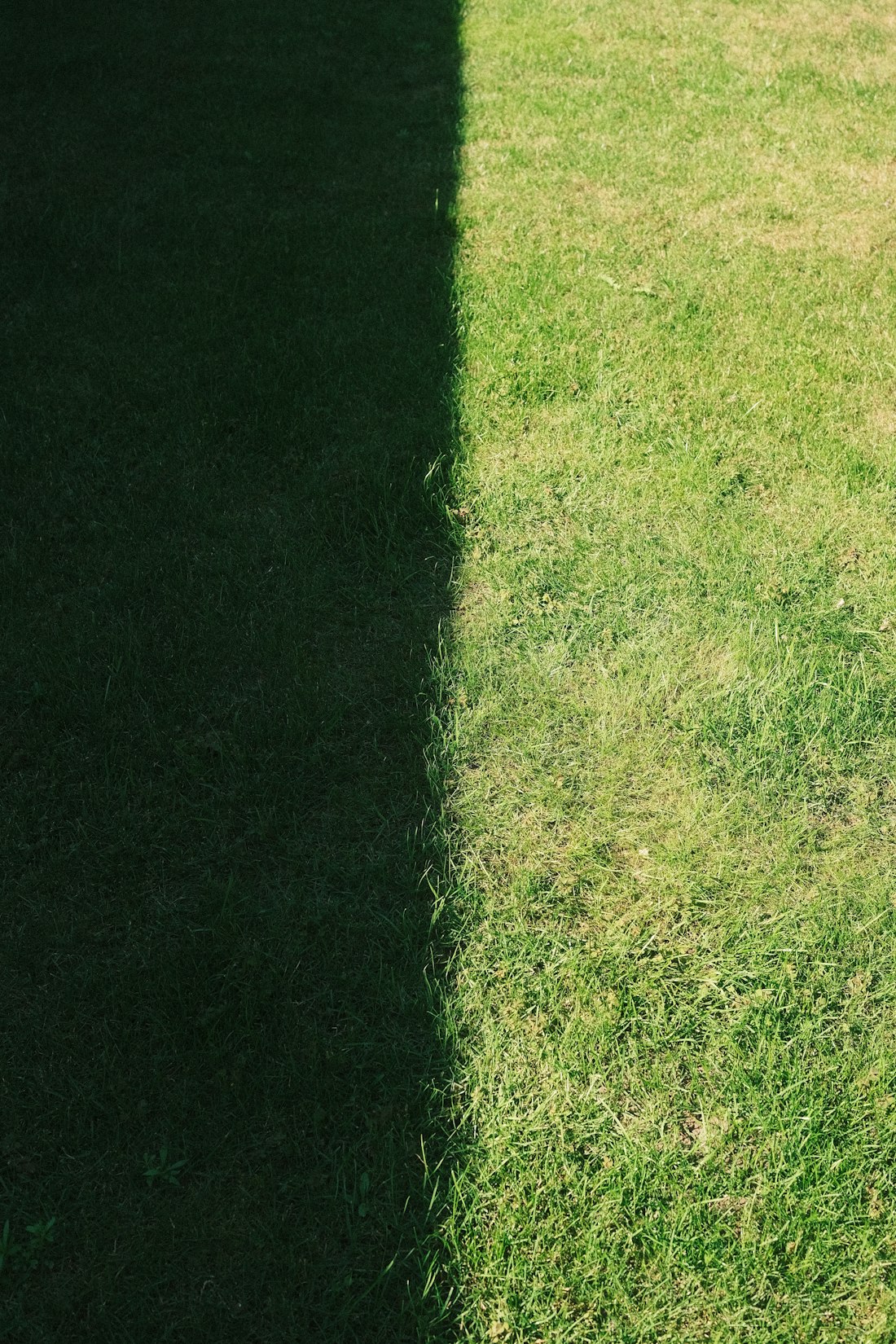
An overshadowing study is one of the most decisive technical documents in a UK planning application. When a proposed development could shade an existing garden, outdoor amenity space, or public realm, planners will almost certainly require one — and the test at the heart of almost every overshadowing study is the BRE's 21 March equinox check.
Understanding how that test works, what the pass criteria are, and what councils do when a scheme falls short can mean the difference between a smooth approval and months of costly redesign. This guide breaks it all down in plain terms.
What is an overshadowing study?
An overshadowing study is a technical assessment that uses 3D modelling and sun-path analysis to calculate the shadows that a proposed building, extension, or structure will cast on neighbouring land. Unlike a daylight report — which measures the light entering windows — an overshadowing study focuses on external spaces: rear gardens, communal courtyards, roof terraces, parks, and public open spaces.
These assessments are required by most local planning authorities (LPAs) for any scheme large enough to shade a neighbour's outdoor space. The primary guidance that LPAs rely on comes from BRE Report BR 209 (2022) — the latest edition of the Building Research Establishment's guide to site layout planning for daylight and sunlight.
Why 21 March? The significance of the spring equinox
The BRE chose 21 March — the spring equinox — as the reference date for overshadowing analysis because it strikes a practical balance between extremes. On the winter solstice (21 December), the sun is so low in the sky that almost every south-facing garden falls into shade for much of the day regardless of what is built nearby. On the summer solstice (21 June), the sun's angle is so high that even tall buildings cast only short shadows.
The equinox sits midway between these two extremes and represents the point at which garden use genuinely begins to ramp up — think spring planting, outdoor entertaining, and the first afternoons spent outside. The 21 March date therefore gives a meaningful, real-world snapshot of garden amenity at the moment it starts to matter most.
Using a fixed calendar date also ensures that assessors across different schemes and different boroughs apply a consistent standard, which is important for fairness at planning appeals. The BRE guidance makes clear that this is a benchmark rather than a rigid rule, but in practice 21 March is the anchor around which almost every overshadowing analysis is built.
The two-hour, 50% rule — what it says and what it means
The core BRE test for gardens and open spaces can be stated simply: at least 50% of the garden or amenity area should receive a minimum of two hours of direct sunlight on 21 March. If a development causes the sunlit area to drop substantially below this threshold, the proposal may be deemed to cause unacceptable overshadowing.
There are two variables worth understanding here.
The 50% area criterion. The BRE does not require the whole garden to remain in sunlight — only half of it. A scheme that shades the far corner of a garden while leaving the main lawn and terrace in sun is unlikely to fail on overshadowing grounds. Where problems arise is when a large, tall building casts a wide shadow that deprives the majority of a garden of direct sun for most of the morning or afternoon.
The two-hour threshold. Two hours is not a generous allowance on a spring day. The sun rises around 06:00 and sets around 18:00 on 21 March in southern England, giving a potential twelve-hour window of daylight. A garden that only just scrapes two hours of sun is in deep shade for ten hours and is unlikely to be pleasant to use. Councils often scrutinise schemes that technically pass the two-hour test by a narrow margin, especially in suburban areas with established family housing.
The assessment compares pre-development and post-development conditions for the same date. If the affected garden already receives limited sunlight due to existing obstructions, the development is less likely to be refused purely on overshadowing grounds — but assessors must clearly demonstrate this in their technical report.
How the 3D analysis works in practice
The actual calculation is carried out using specialist software — programmes such as IESVE, Autodesk Revit with solar analysis plug-ins, or dedicated BRE-compliant tools. The assessor builds an accurate 3D model of the site including the proposed development and all relevant neighbouring buildings, then runs a sun-path simulation for 21 March at the correct latitude and longitude for the site.
The software produces shadow plots — usually a series of diagrams showing shadow extent at hourly or half-hourly intervals from sunrise to sunset. The cumulative output identifies which portions of each garden receive at least two hours of sun. These plots are included in the final overshadowing report that is submitted to the LPA alongside the other supporting technical documents.
In more complex assessments, the software can also model annual overshadowing patterns across the full range of dates that matter for outdoor amenity. However, the 21 March test remains the headline criterion that planning officers and committee members focus on when deciding whether a scheme causes harm.
What happens when a scheme fails the test?
A failure of the 21 March test does not automatically mean a planning refusal, but it does mean the LPA will weigh the loss of sunlight to neighbours against the wider planning merits of the proposal. The BRE guidance itself acknowledges that in urban and city-centre contexts, some shortfall may be acceptable provided the design quality and regeneration benefits are sufficient to justify it.
Suburban and residential settings are held to a stricter standard. If a proposed rear extension or new-build scheme shades more than half of a neighbouring garden for the majority of a spring day, the LPA is likely to raise a formal objection. Common design responses include reducing building height, stepping back upper floors, repositioning the structure on the plot, or in some cases reducing the overall footprint.
An experienced assessor can identify overshadowing risk early — ideally at pre-application stage — and model design options so that architects and developers can make informed decisions before committing to a planning submission. Catching a failure at the design stage costs a fraction of what it costs to address at committee or on appeal. You can read more about the appeal route and related legal frameworks in our post on right to light versus daylight reports.
When do councils require an overshadowing study?
Local validation lists set out exactly when an overshadowing study must accompany a planning application. As a general guide, an assessment is typically required for:
- New residential buildings of any scale in a residential setting
- Extensions that project significantly beyond the rear elevation of a neighbouring property
- Large commercial or mixed-use developments adjacent to housing
- Any scheme affecting public open space, a designated park, or a listed garden
- Tall buildings in central London boroughs under London Plan Policy D6
For smaller householder extensions, many LPAs still expect a shadow diagram even if a full overshadowing study is not required. If you are unsure, check your local authority's validation checklist or seek pre-application advice. Our daylight and sunlight assessment service includes an initial review of what your specific LPA is likely to require.
Conservation areas and open-space designations
Certain sites carry additional sensitivity. In conservation areas, planning officers often apply the BRE guidelines more strictly because the character of the area — including garden settings and openness — is itself a material planning consideration. Harm to an established garden within a conservation area can be treated as harm to the historic environment, which may support a refusal even where the numerical shortfall from the BRE benchmark is modest.
Similarly, where a proposed scheme would overshadow a village green, a registered park and garden, or a public square, Historic England and Natural England may be consulted alongside the standard planning process. In these cases the overshadowing report needs to address not just the BRE criteria but also the heritage or ecological significance of the affected space, in line with guidance in the National Planning Policy Framework.
How Fortress Associates can help
At Fortress Associates, we prepare BRE 2022-compliant overshadowing studies for planning applications across the UK. Our reports include full 3D modelling, shadow plots for the key reference dates, and a clear written analysis of how the scheme performs against the BRE criteria. We also flag borderline cases early so that architects can refine their designs before submission.
Turnaround is typically four to five working days and no advance payment is required — you pay on delivery. Whether you need a single overshadowing assessment for a rear extension or a comprehensive daylight and overshadowing package for a multi-unit residential scheme, get in touch via our contact page for a no-obligation quote.
Sources & further reading
Need help with a UK planning project?
Fixed-fee daylight reports and Building Regulations drawings — delivered in 4–5 working days. No advance payment.
Request a free quote