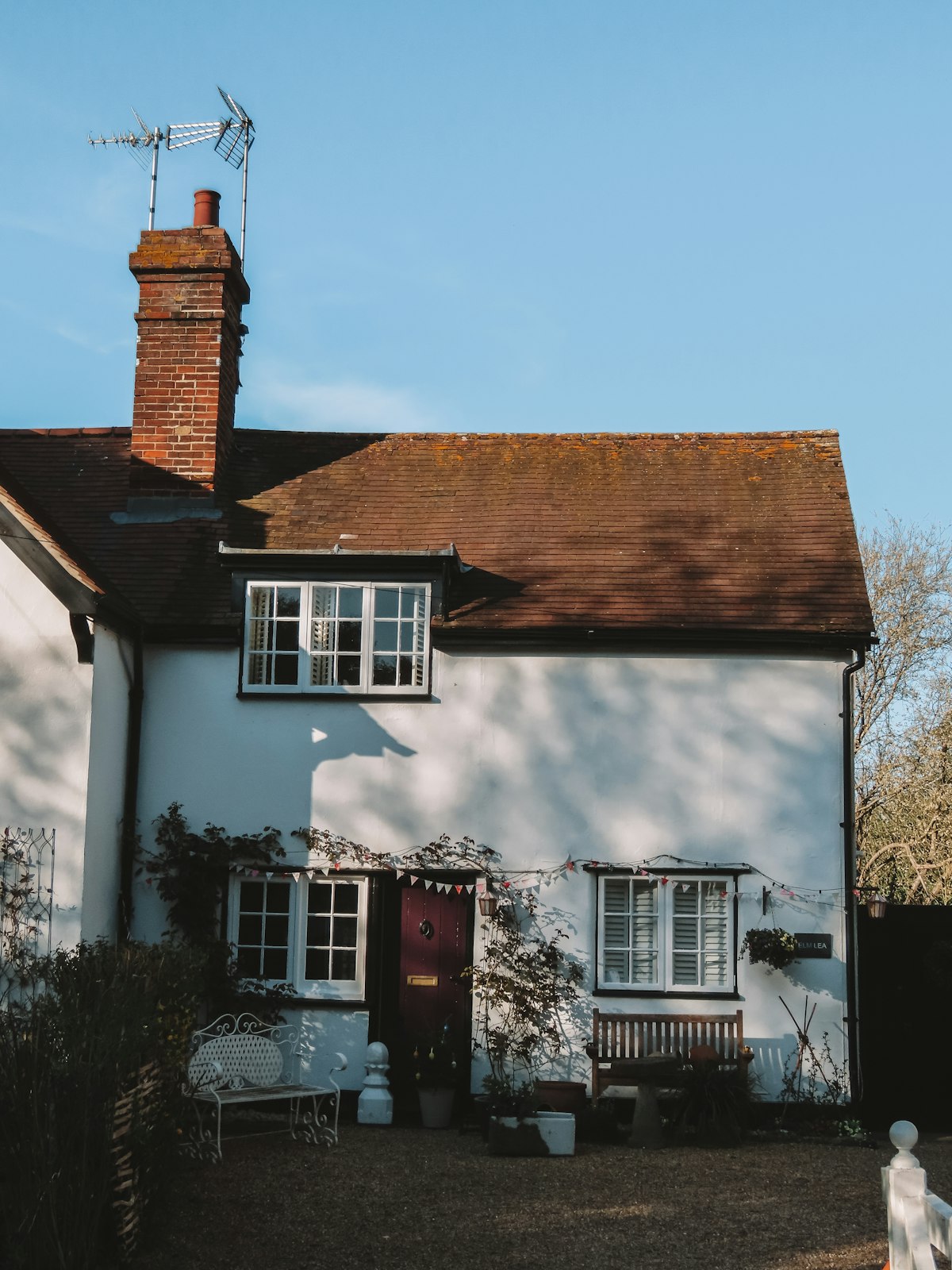
Understanding the daylight requirements in Braintree District Council matters for anyone planning a house extension, an infill dwelling or a larger residential scheme anywhere in this part of mid Essex, from the market town of Braintree itself to Witham, Halstead and the many surrounding villages. Braintree District Council is the local planning authority (LPA) for the area; Essex County Council is the upper-tier authority but does not determine most householder and residential planning applications. This guide explains how daylight and sunlight are considered locally, which adopted policies apply, and what a robust assessment to recognised national standards involves.
Daylight requirements in Braintree District Council: the policy framework
The development plan for the area comes in two parts. Section 1 is the shared North Essex strategic plan, prepared jointly with Colchester and Tendring, which was adopted in February 2021 and sets the strategic spatial framework for the three authorities. Section 2 is the Braintree District Local Plan, which was adopted on 25 July 2022 and contains the more detailed development management policies used to determine day-to-day applications.
For daylight, sunlight and residential amenity, the most directly relevant policies are:
- Policy SP6 - Place Shaping Principles, a strategic policy that requires development to create high-quality, well-designed places that respect their context and the amenity of existing and future occupiers;
- Policy LPP38 - Residential Alterations, Extensions and Outbuildings, the policy most often engaged by householder applications, which expects extensions and alterations to respect the form and character of the existing dwelling and to avoid an unacceptable loss of amenity to neighbouring properties; and
- Policy LPP50 - Layout and Design of Development dealing with the built and historic environment, which sets out the council's general design expectations for the quality, layout and appearance of new development.
Loss of daylight and sunlight, overshadowing, overlooking and a sense of enclosure are the everyday tests applied under these amenity policies. Where a proposal raises a realistic prospect of harm to a neighbour's living conditions, an officer needs evidence on which to base a sound and proportionate judgement.
The Essex Design Guide and local design expectations
Braintree, like the other Essex authorities, applies the Essex Design Guide as a material consideration. The Design Guide is a long-standing county-wide Supplementary Planning Document covering layout, the relationship between buildings, privacy and the spacing of dwellings. It underpins the council's expectations around separation distances and the relationship between facing windows, which in turn feed into how overlooking and overshadowing are judged. While the Design Guide is not a numerical daylight and sunlight standard in the technical sense, it sets the urban-design context within which amenity is assessed.
How BRE BR 209 fits in
Braintree District Council does not publish a bespoke daylight and sunlight Supplementary Planning Document. Where a proposal needs to be tested for its effect on daylight and sunlight, the recognised national methodology applies. That methodology is the Building Research Establishment guidance, BRE BR 209: Site Layout Planning for Daylight and Sunlight - A Guide to Good Practice (2022 edition), read alongside the British Standard BS EN 17037 on daylight in buildings.
These technical documents are applied through the locally adopted amenity policies above and within the framework of the National Planning Policy Framework (NPPF), which supports the efficient use of land while securing well-designed places and a good standard of amenity for existing and future occupiers. In short, BR 209 provides the objective tests that allow the qualitative language of Policies SP6, LPP38 and LPP50 - and the relationships described in the Essex Design Guide - to be measured rather than merely asserted.
What a daylight and sunlight assessment involves
A BRE-based assessment generally addresses two questions: the daylight and sunlight enjoyed by neighbouring properties, and the daylight and sunlight that the occupiers of the new development will themselves receive. The principal tests include:
- Vertical Sky Component (VSC) - the amount of skylight reaching the centre of a neighbour's window, with a guideline value of 27%, or no worse than 0.8 times its former value;
- Daylight distribution (the no-sky line) - how daylight is spread across the depth of a room;
- Annual Probable Sunlight Hours (APSH) - the sunlight reaching windows with a significant southerly aspect, assessed across the whole year and the winter period;
- Overshadowing of gardens and amenity areas - using the sun-on-ground test on the equinox.
A clear, BRE-compliant report helps a Braintree planning officer weigh a proposal against the adopted amenity policies. It is particularly valuable for terraced and tightly spaced layouts in central Braintree and Witham, two-storey rear and side extensions in established residential streets, and infill plots in Halstead and the district's villages, where overshadowing of a neighbour's habitable-room windows or garden is a common concern. A robust assessment cannot promise consent, but it gives officers the evidence to reach a sound decision and helps applicants design out problems before submission.
Common situations in Braintree, Witham and Halstead
Across the district we frequently see daylight and sunlight questions arise with rear extensions that project beyond a shared boundary, two-storey side additions close to a neighbour's flank windows, garden-plot infill where a new dwelling sits behind an existing frontage, and conversions that introduce new habitable rooms reliant on limited window area. In each case, an early assessment against BR 209 helps confirm whether a design is likely to satisfy Policy LPP38 and the Essex Design Guide, or whether the layout, height or projection needs adjusting before plans are finalised.
How Fortress Associates can help
Fortress Associates prepares our daylight and sunlight report service to BRE BR 209 (2022) and BS EN 17037 for projects across Braintree, Witham, Halstead and the wider district. We work UK nationwide with a typical 4 to 5 working day turnaround and ask for no advance payment. You can see the full range on our services page or contact us to discuss your site. We also produce Building Regulations drawings where these are needed alongside a planning submission.
Sources & further reading
- Braintree District Council - Planning Policy and the Local Plan
- BRE - BR 209: Site Layout Planning for Daylight and Sunlight (2022)
- GOV.UK - National Planning Policy Framework
- Fortress Associates daylight and sunlight reports
- See also our guide to daylight requirements in Melton Borough Council, our services and how to get in touch
Need help with a UK planning project?
Fixed-fee daylight reports and Building Regulations drawings — delivered in 4–5 working days. No advance payment.
Request a free quote