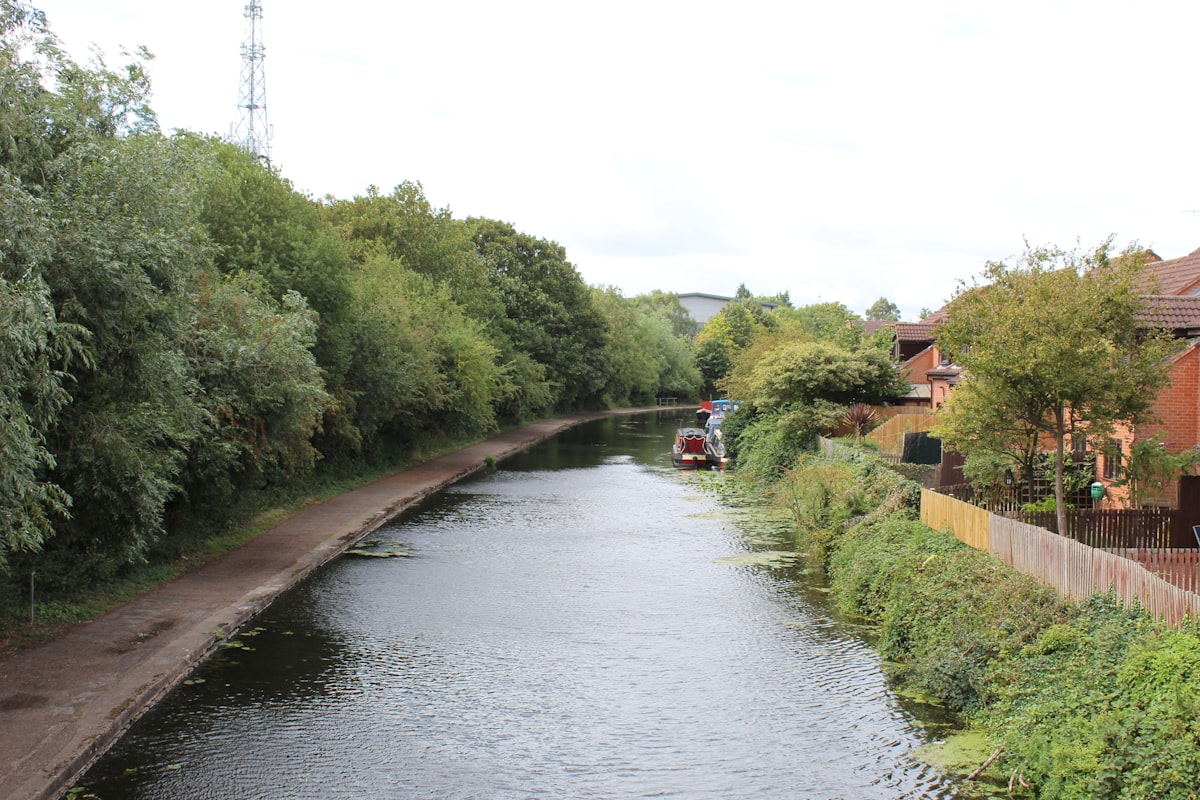
If you are planning an extension, a new dwelling or a backland scheme in Beeston, Eastwood, Kimberley, Stapleford or Brinsley, understanding the daylight requirements in Broxtowe will help you avoid delays and objections. Broxtowe Borough Council is the local planning authority (LPA) for the district — Nottinghamshire County Council does not decide these applications — and it assesses the effect of new development on the daylight, sunlight, outlook and privacy of neighbouring homes through its adopted Local Plan. This article sets out the policy position, the technical standards that apply, and how a daylight and sunlight report can support your proposal.
Broxtowe's adopted Local Plan
Broxtowe's development plan has two parts, prepared as part of the wider Greater Nottingham planning arrangements:
- The Broxtowe Aligned Core Strategy (Part 1 Local Plan), adopted on 17 September 2014, which sets the strategic framework; and
- the Part 2 Local Plan, adopted on 16 October 2019, which contains the detailed development management policies and site allocations used to determine most planning applications.
The headline design policy is Policy 10 (Design and Enhancing Local Identity) of the Aligned Core Strategy. It requires development to be assessed in terms of its massing, scale, materials and design, and its impact on the amenity of nearby residents. At the more detailed level, Policy 17 of the Part 2 Local Plan addresses the protection of privacy and amenity for nearby occupiers, while Policy 19 deals with design quality, including the use of the Building for Life criteria for major schemes. Loss of daylight, sunlight, outlook and overshadowing to neighbouring properties is assessed as a residential amenity matter under these policies.
Does Broxtowe have a specific daylight and sunlight SPD?
No. Broxtowe Borough Council has adopted a small number of supplementary planning documents (SPDs) — the Toton and Chetwynd Barracks Strategic Masterplan SPD, the Houses in Multiple Occupation (HMOs) SPD, and the Reduction of Carbon in New Development SPD — but it does not have a dedicated SPD on residential design, householder extensions, or daylight and sunlight.
This is common and entirely normal. Where there is no bespoke local daylight metric, the council assesses daylight and sunlight against established national best practice, applied through the amenity and design policies of the adopted Local Plan.
The technical standards that apply in Broxtowe
The recognised methodology is set out in the Building Research Establishment guide BRE BR 209, Site Layout Planning for Daylight and Sunlight (third edition, 2022). It provides the numerical tests planning officers and inspectors expect to see:
- Vertical Sky Component (VSC) and the no sky line / daylight distribution test for daylight to neighbouring windows and rooms;
- Annual Probable Sunlight Hours (APSH) for sunlight to windows and gardens; and
- overshadowing assessment for amenity areas and gardens.
These sit alongside the British Standard BS EN 17037 (Daylight in Buildings), which addresses daylight provision for the occupants of new homes, and the National Planning Policy Framework (NPPF), which expects a good standard of amenity for existing and future occupiers and the efficient use of land. In Broxtowe these national standards are given effect through Policies 10, 17 and 19 of the adopted Local Plan.
Local context: Beeston, Eastwood and the urban edge
Broxtowe's character varies markedly across the district, and that matters for daylight assessment. Beeston, the borough's administrative centre, is a dense urban town where the Beeston Canal and Canalside Heritage Centre sit close to established terraced and semi-detached housing — exactly the kind of tightly developed context where a new extension or upper storey can affect a neighbour's light. Eastwood, the birthplace of the author D.H. Lawrence, has historic streets and conservation interest where the scale and massing of new development is carefully scrutinised. In these settings, demonstrating that a scheme protects daylight and sunlight is often decisive.
A robust daylight and sunlight report can:
- quantify the impact on neighbouring windows, rooms and gardens against BRE BR 209;
- show that the proposal complies with the amenity expectations of Policies 10 and 17;
- resolve potential conflicts at design stage, before validation or determination; and
- provide credible evidence to respond to a neighbour objection or a planning condition.
Always confirm the council's current validation requirements for your application type, and read the relevant Local Plan policies before submitting.
How Fortress Associates can help
Fortress Associates prepares BRE BR 209 (2022) compliant reports through our daylight and sunlight report service for homeowners, architects and developers in Broxtowe and throughout the UK. We apply BRE BR 209, BS EN 17037 and the NPPF in the context of the adopted Broxtowe Local Plan, giving you clear, defensible evidence for your application. We work to a 4–5 working day turnaround and ask for no advance payment. Explore our services or contact us to discuss your scheme.
Sources & further reading
Need help with a UK planning project?
Fixed-fee daylight reports and Building Regulations drawings — delivered in 4–5 working days. No advance payment.
Request a free quote