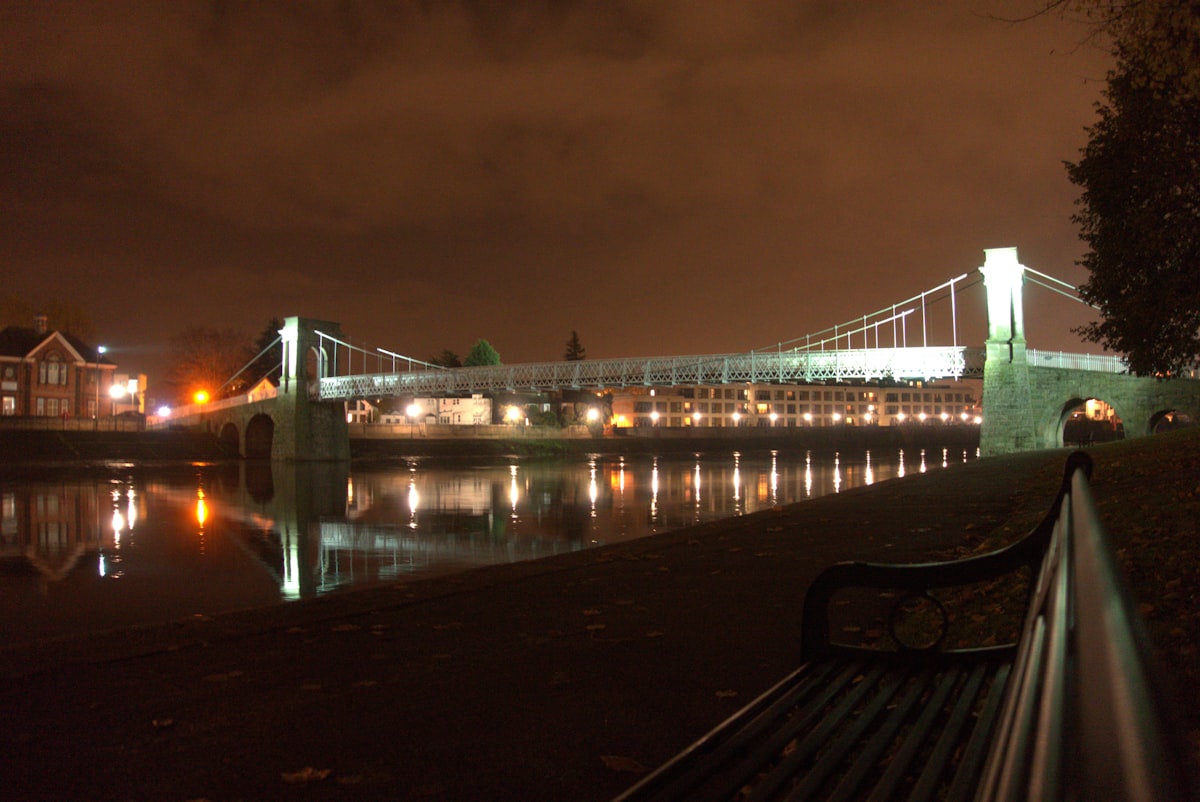
Understanding daylight requirements in Rushcliffe is essential for anyone planning an extension, a new dwelling or an infill scheme in West Bridgford, Bingham, Radcliffe-on-Trent, Ruddington or the wider borough. Rushcliffe Borough Council is the local planning authority (LPA) here — Nottinghamshire County Council does not determine these applications — and the council assesses the impact of development on daylight, sunlight, overshadowing and privacy through its adopted Local Plan and supporting design guidance. This guide explains the policy framework, the technical standards that apply, and how a professional daylight and sunlight report can support a planning application.
The adopted planning framework in Rushcliffe
Rushcliffe's development plan is made up of two parts. The Local Plan Part 1: Rushcliffe Core Strategy was adopted on 22 December 2014 and sets the strategic approach to growth. The Local Plan Part 2: Land and Planning Policies was adopted in October 2019 and contains the detailed, non-strategic policies used to determine the majority of planning applications. Together these documents form the starting point for any decision under the planning system.
The most relevant amenity policy is Policy 1 (Development Requirements) of Local Plan Part 2. This is the borough's overarching design and amenity policy, and it expects that development:
- causes no significant adverse effect upon the amenity, particularly residential amenity, of adjoining properties;
- does not lead to undue overshadowing or loss of privacy;
- has a scale, density, height, massing, design, layout and choice of materials that is sympathetic to the character of the area; and
- minimises light pollution.
At the strategic level, Policy 10 (Design and Enhancing Local Identity) of the Core Strategy reinforces the requirement for high-quality design that responds to local context. Loss of daylight, sunlight and outlook to neighbouring homes is treated as a residential amenity matter and is weighed under these policies.
Is there specific daylight and sunlight guidance in Rushcliffe?
Yes — Rushcliffe goes further than many authorities by addressing daylight and sunlight directly in adopted supplementary planning documents (SPDs):
- The Rushcliffe Design Code SPD, adopted on 1 September 2025, expects design proposals — especially for infill and gentle densification — to ensure access to daylight and sunlight and to safeguard the privacy and outlook of future residents and neighbouring buildings.
- The Low Carbon and Sustainable Design SPD, adopted on 11 July 2023, provides detailed guidance on maximising daylight and sunlight in residential layouts — for example, orientating habitable rooms and glazing to optimise natural light and reduce energy demand — in support of Core Strategy Policy 2 (Climate Change).
Neither SPD replaces the recognised technical methodology. Where a numerical assessment of daylight and sunlight is needed, the council relies on national best practice rather than a bespoke local metric.
The technical standards that apply
For quantitative assessment, the established reference is the Building Research Establishment guide BRE BR 209, Site Layout Planning for Daylight and Sunlight (third edition, 2022). It sets out the familiar tests used across England:
- Vertical Sky Component (VSC) and the no sky line / daylight distribution test for daylight to neighbouring windows and rooms;
- Annual Probable Sunlight Hours (APSH) for sunlight to windows and amenity areas;
- overshadowing tests for gardens and open space.
These work alongside the British Standard BS EN 17037 (Daylight in Buildings), which addresses daylight provision within new dwellings, and the National Planning Policy Framework (NPPF), which asks decision-makers to secure a good standard of amenity and to make efficient use of land while avoiding unacceptable harm. In Rushcliffe these national standards are applied through the adopted Local Plan policies above.
What this means for applicants in West Bridgford and beyond
West Bridgford — the borough's largest town and council seat beside the River Trent and Trent Bridge — has many tightly knit residential streets where infill and rear extensions are common. In these established suburbs, the relationship between buildings is close, so a relatively modest change in massing can affect a neighbour's daylight or sunlight. Rushcliffe officers routinely consider overshadowing and loss of light when applying Policy 1, and on more sensitive or contested schemes a BRE BR 209 assessment is the clearest way to demonstrate compliance.
A well-prepared daylight and sunlight report can:
- show, with calculations, that neighbouring windows and gardens retain acceptable daylight and sunlight;
- identify and resolve potential conflicts early, before validation or determination;
- provide robust technical evidence to address an objection or a planning condition; and
- demonstrate that habitable rooms in the new development receive adequate internal daylight.
Always check the council's validation requirements for your specific application, and review the relevant Local Plan policies and SPDs before you submit.
How Fortress Associates can help
Fortress Associates provides BRE BR 209 (2022) compliant daylight and sunlight report services for householders, architects and developers across Rushcliffe and the rest of the UK. Our reports apply BRE BR 209, BS EN 17037 and the NPPF in the context of the adopted Rushcliffe Local Plan, giving you clear technical evidence to support your application. We offer a 4–5 working day turnaround and require no advance payment. To discuss your scheme, see our services or contact us.
Sources & further reading
Need help with a UK planning project?
Fixed-fee daylight reports and Building Regulations drawings — delivered in 4–5 working days. No advance payment.
Request a free quote