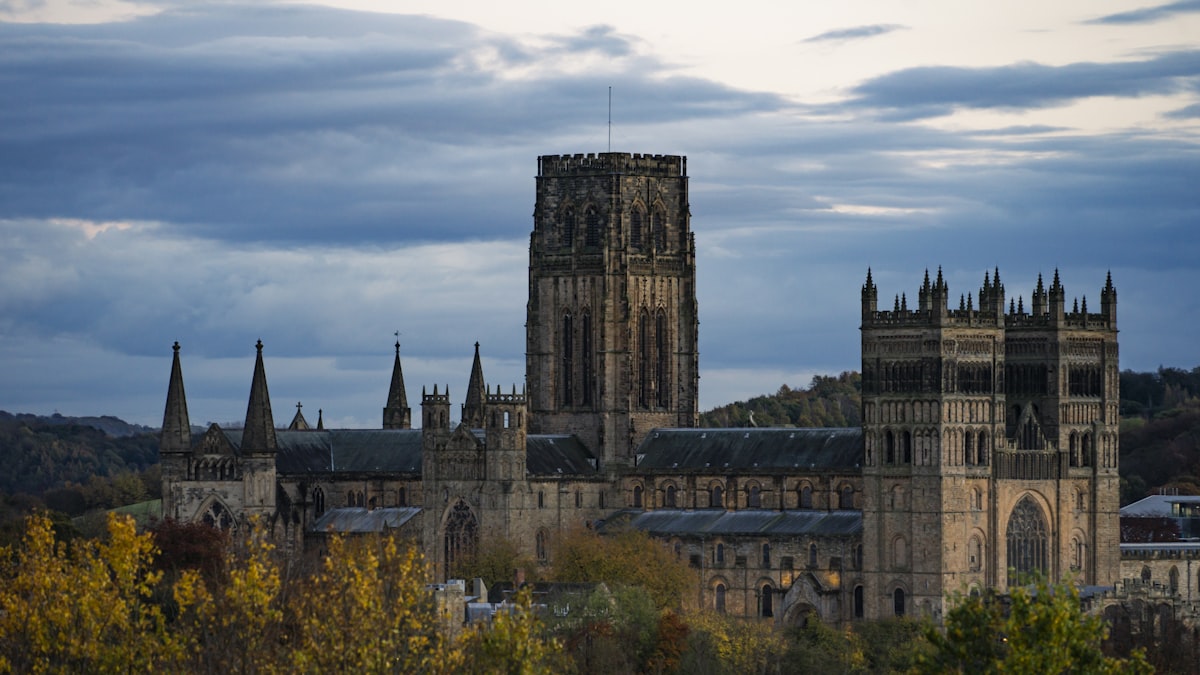
Whether you are extending a terraced home in Durham City, building new homes on the edge of Bishop Auckland or bringing forward a larger residential scheme near Consett, understanding the daylight requirements in County Durham is essential to a smooth planning application. Durham County Council is a unitary authority, which means it acts as the sole local planning authority (LPA) for the entire county and determines applications against its own adopted development plan. This article explains the policies, supplementary guidance and technical standards that govern daylight and sunlight here, and how to demonstrate compliance.
The local planning framework: the County Durham Plan
The development plan for the area is the County Durham Plan, adopted on 21 October 2020. It is the starting point for determining planning applications across the county, alongside any relevant made neighbourhood plans, such as the Durham City Neighbourhood Plan. Two policies are particularly relevant to daylight and sunlight:
- Policy 29 (Sustainable Design) sets out the council's expectations for high-quality, sustainable design. It requires development to contribute positively to its surroundings and underpins the council's detailed amenity guidance.
- Policy 31 (Amenity and Pollution) is the key amenity policy. It requires that development does not cause an unacceptable impact on the amenity of existing or future occupants, including through loss of light, overshadowing and an overbearing effect.
In practice, the council assesses these impacts using established daylight and sunlight methodology. Decision-making and submitted assessments in the county routinely refer to BRE Guidelines and to checks such as the 45-degree test taken from neighbouring habitable-room windows, confirming that the principles in BR 209 are the recognised yardstick when applying Policy 31.
The Residential Amenity Standards SPD
The council has adopted a Residential Amenity Standards Supplementary Planning Document (SPD), published in January 2023. This SPD is linked primarily to Policy 29 and provides detailed, practical guidance for householder and residential development, including rear extensions, roof alterations, separation distances and private amenity space. It addresses how the scale and siting of development affects neighbours through privacy, an overbearing impact and daylight penetration, particularly where a full additional storey is proposed. For most homeowners and small developers in County Durham, this SPD is the first document to consult when judging whether a scheme is likely to be acceptable in amenity terms.
The council has also brought forward a County Durham Design Code SPD and associated Settlement Character Studies, which sit alongside the amenity standards to guide the form and quality of new development across the county's many distinct settlements.
Is a daylight and sunlight report required?
County Durham does not operate a blanket rule requiring a formal daylight and sunlight report for every application. Instead, the need for an assessment is driven by Policy 31 and the Residential Amenity Standards SPD: where a proposal could materially affect the daylight or sunlight reaching neighbouring habitable rooms or gardens, or where the daylight and sunlight available to future occupants of a new development is in question, a technical assessment is the clearest way to demonstrate compliance.
Where a daylight and sunlight assessment is provided, the council expects it to follow recognised national methodology. The relevant standards are:
- BRE BR 209 (2022) — Site Layout Planning for Daylight and Sunlight: A Guide to Good Practice, the standard reference for Vertical Sky Component (VSC), the no-sky line, the Annual Probable Sunlight Hours (APSH) test and overshadowing of amenity areas.
- BS EN 17037 — Daylight in Buildings, which sets recommendations for daylight provision, sunlight, view out and the avoidance of glare for new interiors.
- The National Planning Policy Framework (NPPF), which supports making efficient use of land while securing well-designed places with good standards of amenity.
Because the County Durham Plan, the SPD and the validation process do not set bespoke numerical daylight targets, these national standards effectively supply the technical detail that Policy 31 relies upon.
The Durham City World Heritage context
One feature that sets County Durham apart is the Durham Castle and Cathedral World Heritage Site at the heart of Durham City, alongside an extensive conservation area. Development in and around the city is sensitive to its historic setting, and proposals are scrutinised closely for their effect on character and on neighbouring amenity. The Durham City Neighbourhood Plan adds further design expectations, including reference to Building for Life standards. In this context, a careful daylight and sunlight assessment can help reconcile sensible development with the protection of a uniquely important historic environment.
How Fortress Associates can help
Fortress Associates provides our daylight and sunlight report service for homeowners, architects and developers across County Durham, prepared to BRE BR 209 (2022), BS EN 17037 and the NPPF, and referenced to the County Durham Plan. We offer a 4 to 5 working day turnaround and no advance payment. We also prepare Building Regulations drawings to the Approved Documents (A–S). To discuss your scheme, please get in touch — you may also find our guide to daylight requirements in East Riding of Yorkshire useful for comparison.
Sources & further reading
Need help with a UK planning project?
Fixed-fee daylight reports and Building Regulations drawings — delivered in 4–5 working days. No advance payment.
Request a free quote