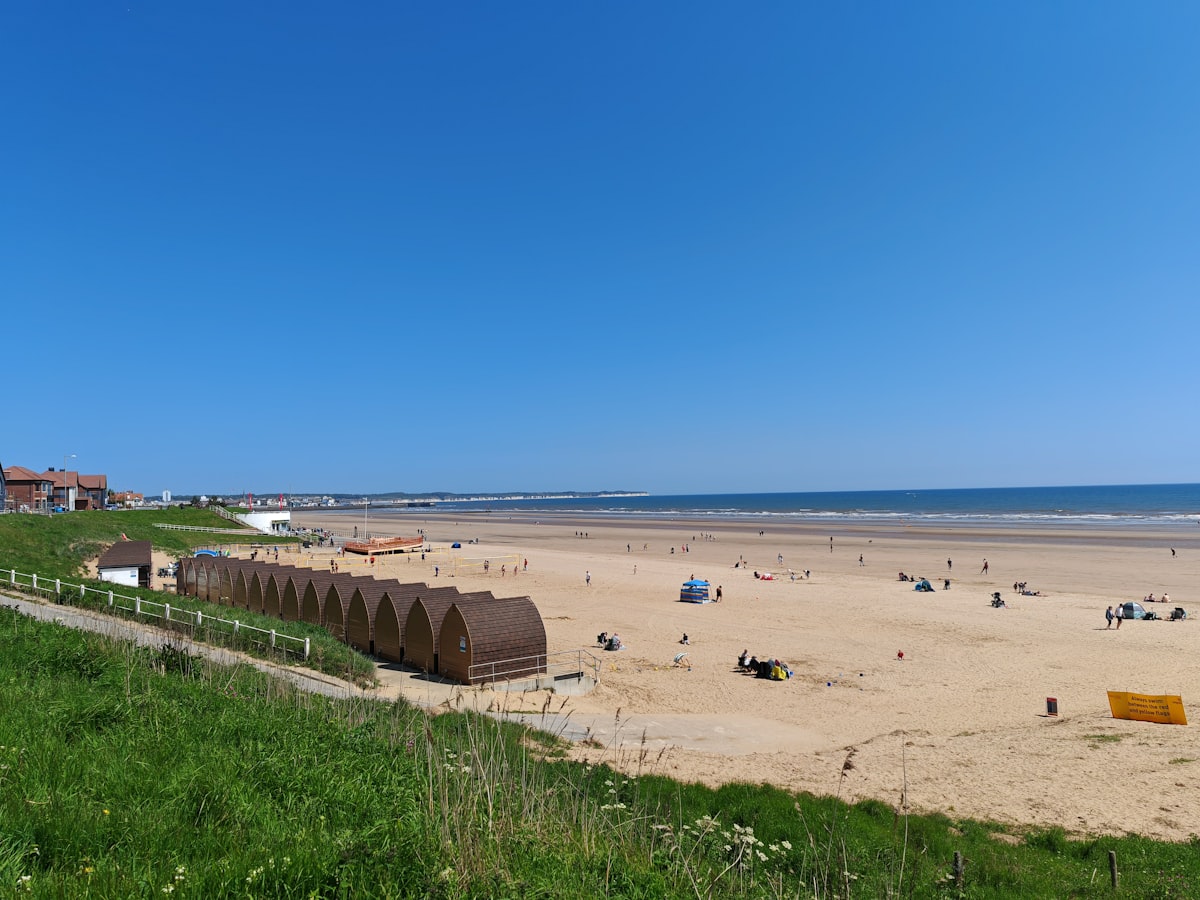
From extending a Victorian house in Beverley to building new homes near the coast at Bridlington or in the Holderness countryside, getting daylight and sunlight right is central to a successful planning application. This guide explains the daylight requirements in East Riding of Yorkshire and how to demonstrate compliance. East Riding of Yorkshire Council is a unitary authority, so it is the sole local planning authority (LPA) for the whole area and determines applications against its own up-to-date development plan.
The local planning framework: a newly adopted Local Plan
It is important to work to the current plan rather than older documents. On 2 April 2025, the council adopted the East Riding Local Plan Update 2020-2039, which was found sound by an independent planning inspector in December 2024. This new plan replaces the earlier 2016 Local Plan Strategy Document as the principal basis for decisions, while still covering housing, the environment, employment and infrastructure across the area.
The key amenity and design policy is Policy ENV1 (Integrating high quality design). It seeks good design that creates a strong sense of place and a high quality environment. Critically for daylight matters, when assessing the impact of a proposal on the amenity of an existing or proposed property, the council considers the amenity of future occupants and of existing neighbours, with particular attention to:
- overshadowing;
- loss of daylight and sunlight;
- overlooking and loss of privacy; and
- a sense of enclosure or overbearing impact.
Policy ENV1 also expects residential development to provide adequate private amenity space for future occupants, which links closely to sunlight to gardens and outdoor areas.
The East Riding Design Code SPD
Alongside the new Local Plan, the council adopted the East Riding Design Code Supplementary Planning Document on 2 April 2025, with minor updates in September 2025. This is a significant point for applicants: the design code compliance checklist is a validation requirement for all applications that include a design element, and the Design Code is a material consideration in determining applications. The code brings together design considerations including health and well-being, and supports the amenity expectations of Policy ENV1, so it should be reviewed early when designing any scheme that could affect light to neighbouring or future homes.
Is a daylight and sunlight report required?
East Riding of Yorkshire does not require a standalone daylight and sunlight report for every application. Instead, the trigger is the potential for harm under Policy ENV1: where a proposal could cause loss of daylight, sunlight or overshadowing to neighbouring habitable rooms or gardens, or where the daylight and sunlight available to future occupants is in doubt, a technical assessment is the most reliable way to show the policy is met. For larger or more sensitive schemes, an assessment also supports the design code compliance checklist.
Because neither the Local Plan nor the Design Code sets out bespoke numerical daylight targets, a daylight and sunlight assessment in East Riding is judged against recognised national standards:
- BRE BR 209 (2022) — Site Layout Planning for Daylight and Sunlight: A Guide to Good Practice, the standard reference for the Vertical Sky Component (VSC), the no-sky line, the Annual Probable Sunlight Hours (APSH) test and overshadowing of amenity space.
- BS EN 17037 — Daylight in Buildings, setting recommendations for daylight provision, sunlight, view out and the control of glare for new interiors.
- The National Planning Policy Framework (NPPF), which promotes making efficient use of land while securing well-designed places with good standards of amenity.
In short, Policy ENV1 sets the requirement to protect daylight, sunlight and outlook, and these national documents supply the technical methodology used to test it.
Local context: coast, market towns and countryside
The East Riding is varied, and that variety affects how daylight issues arise. The historic market town of Beverley, dominated by Beverley Minster and St Mary's Church, has tightly knit streets and conservation areas where extensions can quickly affect a neighbour's light. The Bridlington seafront and wider Yorkshire coast see pressure for taller and denser development where overshadowing and sunlight to amenity areas need careful study. Across the rural Holderness and Wolds areas, lower-density schemes still must respect the amenity of existing dwellings. A tailored daylight and sunlight assessment helps each of these settings get the balance right.
How Fortress Associates can help
Fortress Associates provides our daylight and sunlight report service for homeowners, architects and developers across East Riding of Yorkshire, prepared to BRE BR 209 (2022), BS EN 17037 and the NPPF, and referenced to the East Riding Local Plan Update 2020-2039. We offer a 4 to 5 working day turnaround and no advance payment. We also produce Building Regulations drawings to the Approved Documents (A–S). To discuss your project, please get in touch — and for a regional comparison you may find our guide to daylight requirements in County Durham helpful.
Sources & further reading
Need help with a UK planning project?
Fixed-fee daylight reports and Building Regulations drawings — delivered in 4–5 working days. No advance payment.
Request a free quote