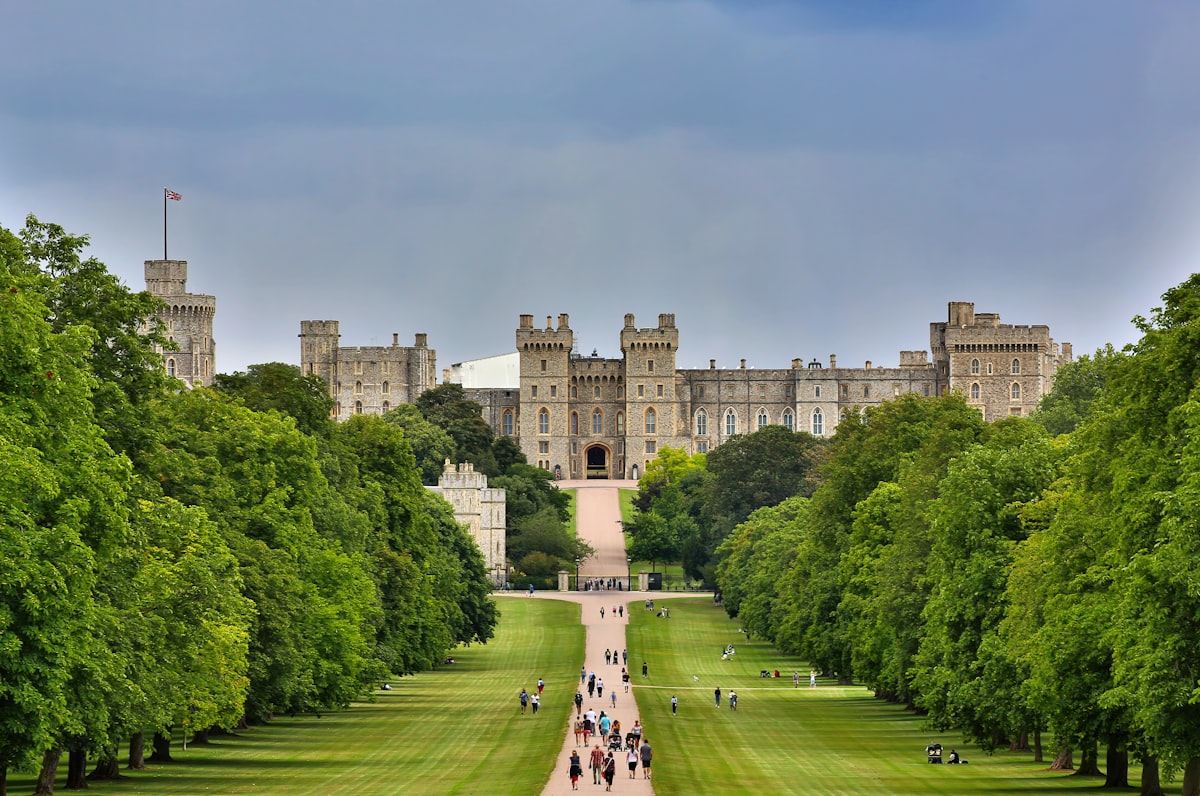
Daylight requirements in Slough matter to almost every planning application in the borough, from a two-storey rear extension in Cippenham to a residential tower in the town centre. Slough is one of the most densely developed places in the South East, hemmed in by the M4, the Slough Trading Estate and the Green Belt, and it sits immediately to the north of Windsor. That density makes daylight and sunlight a recurring issue: when plots are tight and buildings are tall, the impact of new development on the light reaching neighbouring homes and gardens is frequently decisive. This guide explains how Slough Borough Council assesses daylight and sunlight, which adopted policies and guidance apply, and where a professional report adds value.
The planning policy framework for daylight in Slough
Slough does not yet have a single, modern Local Plan. The statutory development plan is currently made up of several documents, and it is important to understand how they fit together because the daylight position is spread across them rather than set out in one place.
- Slough Local Development Framework Core Strategy (adopted 16 December 2008, covering 2006–2026) — the strategic policy document for the borough. Core Policy 8 (Sustainability and the Environment) requires development to be of a high quality of design and to protect the amenity of the area, which in practice includes the daylight, sunlight, privacy and outlook of neighbouring occupiers.
- The Local Plan for Slough 2004 (saved policies) — a number of detailed policies were saved when the Core Strategy was adopted. Saved Policy EN1 deals with the standard of design and amenity, requiring that development does not prejudice the amenity or visual quality of the locality, while related environmental policies address the relationship between buildings and their surroundings.
- Residential Extension Guidelines (RESPD) — a supplementary planning document adopted in 2010 that gives householders and designers practical guidance on extensions, including daylight and the familiar 45-degree and 25-degree tests used to judge loss of light to neighbouring windows and gardens.
Alongside these, the council is preparing a new Local Plan for Slough, which will eventually replace much of the framework above. Until that plan is adopted, the documents listed remain the basis for decisions, so applicants should always check which version of policy is current when they apply.
How national standards apply through the Local Plan
Slough's adopted policies set the principle that amenity must be protected, but they do not contain numerical daylight targets of their own. The detailed technical assessment is therefore carried out against national guidance, applied through the Local Plan and the National Planning Policy Framework. The recognised methodology is the Building Research Establishment's guide Site Layout Planning for Daylight and Sunlight: A Guide to Good Practice, BRE BR 209 (third edition, 2022), supported by the British Standard BS EN 17037 on daylight in buildings. These set out the numerical tests — vertical sky component (VSC), no sky line / daylight distribution, annual probable sunlight hours (APSH) and overshadowing of amenity areas — that planning officers expect to see in a daylight and sunlight assessment.
Daylight requirements in Slough: what this means in practice
Because Slough combines a tightly packed urban grain with significant pressure for taller buildings, the daylight question arises in two very different contexts.
Town centre regeneration and tall buildings
Slough town centre is the focus for high-density, mixed-use regeneration, including residential schemes of around a dozen storeys and, in places, proposals rising towards the upper teens. At these heights and densities, the impact on daylight and sunlight to surrounding flats, offices converted to homes, and public spaces is one of the first matters an officer will scrutinise. A robust BRE BR 209 assessment, with VSC and APSH figures for affected windows and a clear explanation of any departures from the numerical guidelines, is effectively essential for these applications.
Householder extensions in the suburbs
In the residential suburbs — Cippenham, Langley, Upton, Chalvey and the wards north of the railway — the typical issue is a rear or two-storey extension affecting a close neighbour. Here the Residential Extension Guidelines (RESPD) are the first port of call, with their 45-degree and 25-degree daylight tests. Where a proposal does not pass those simple geometric checks, a full BRE-based daylight and sunlight report can demonstrate whether the actual loss of light is acceptable, which often makes the difference between refusal and approval.
The Trading Estate and changing uses
The Slough Trading Estate — one of the largest single-ownership industrial estates in Europe, home to hundreds of businesses and many thousands of jobs — is covered by a Simplified Planning Zone that streamlines industrial development. As employment land in and around the estate comes forward for more intensive or mixed use over time, the relationship between new buildings and any nearby residential uses brings daylight and sunlight back into focus.
What a daylight and sunlight report should contain
For a Slough application, a thorough assessment will normally include:
- A description of the site and the neighbouring properties and amenity spaces that could be affected.
- VSC and daylight distribution (no sky line) results for relevant neighbouring windows, tested against BRE BR 209 (2022).
- APSH results for sunlight to main living-room windows and overshadowing of gardens and amenity areas.
- For new dwellings, an assessment of the daylight and sunlight the scheme itself would receive, with reference to BS EN 17037.
- A clear conclusion on compliance, and where a guideline is not met, a reasoned explanation of the context and the extent of any effect.
A well-prepared daylight and sunlight report does not just present numbers — it explains them in the context of a dense urban borough, helping the case officer reach a sound, defensible decision.
How Fortress Associates can help
Fortress Associates provides our daylight and sunlight report service for sites across Slough and the rest of the UK. We assess daylight, sunlight and overshadowing to BRE BR 209 (2022) and BS EN 17037, and present the results in a clear report you can submit with your application. Our standard turnaround is 4–5 working days and we ask for no advance payment. We also prepare Building Regulations drawings to Approved Documents A–S. To discuss a project, get in touch with our team.
Sources & further reading
Need help with a UK planning project?
Fixed-fee daylight reports and Building Regulations drawings — delivered in 4–5 working days. No advance payment.
Request a free quote