If you are planning a residential extension, a new home or a larger development in the Potteries, understanding the daylight requirements in Stoke-on-Trent will help you prepare a stronger planning application. Stoke-on-Trent is a unitary authority, so the City Council is the local planning authority and decides applications against its adopted plan and supplementary guidance. This article explains which documents apply, how daylight and sunlight are treated locally, and where the recognised technical standards come in.
Daylight requirements in Stoke-on-Trent: the planning framework
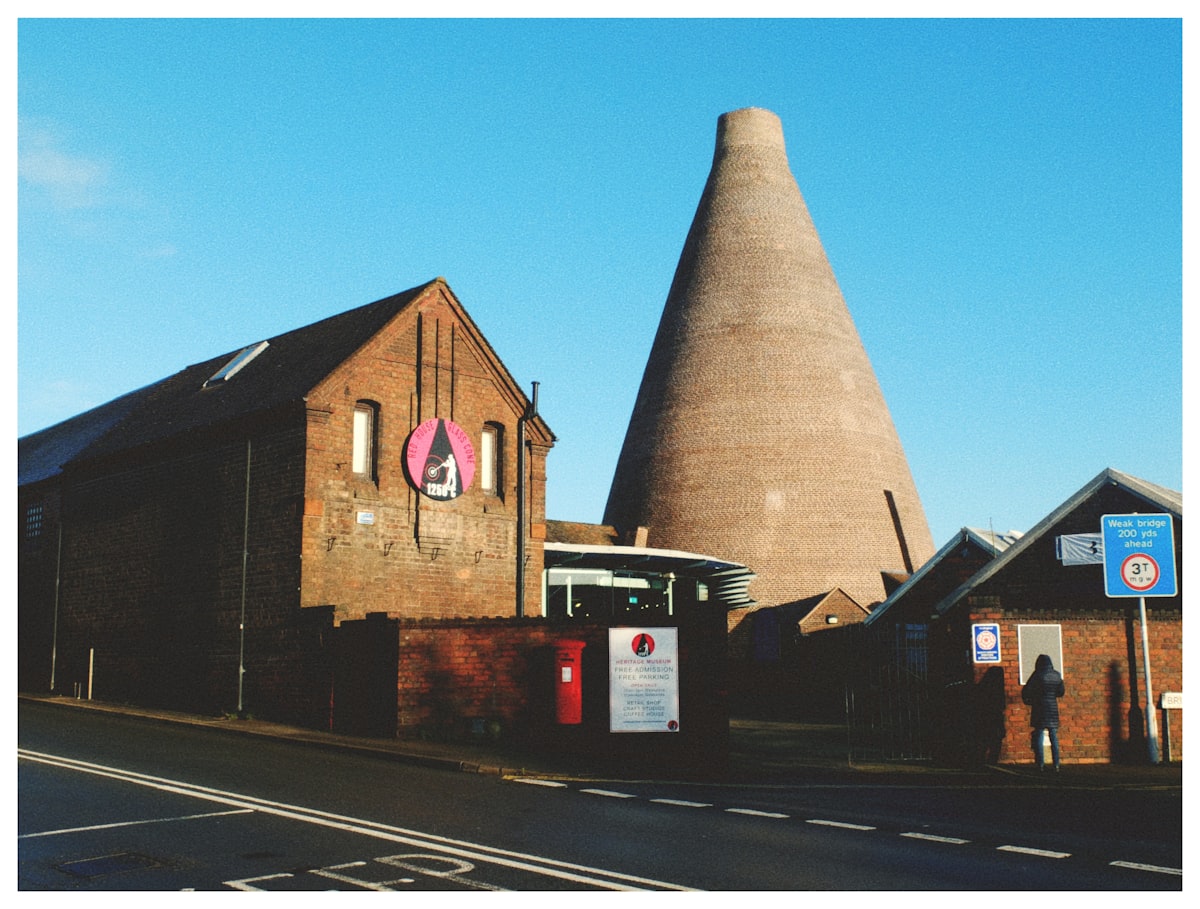
Stoke-on-Trent is the city of the Potteries, formed from six towns — Tunstall, Burslem, Hanley, Stoke, Fenton and Longton. Its industrial heritage, distinctive bottle kilns and ongoing regeneration, including initiatives such as the Northern Gateway, create a varied townscape of dense terraces, town centres and redevelopment sites. In that setting, protecting the daylight and sunlight of existing homes and securing good living conditions in new ones is a regular planning consideration.
The current adopted development plan is the Newcastle-under-Lyme and Stoke-on-Trent Core Spatial Strategy, a joint plan adopted on 28 October 2009 that sets the strategic framework up to 2026, together with any remaining saved local plan policies. A new standalone Stoke-on-Trent Local Plan is emerging to guide growth between 2020 and 2040. It has been through Regulation 18 consultation stages (Issues and Options in summer 2021 and a Draft Local Plan in autumn 2025), with the Regulation 19 Publication version expected to be consulted on in summer 2026. Once adopted, the new plan will replace the 2009 joint strategy. Until then, the Core Spatial Strategy remains the basis for decisions.
Policy CSP1 Design Quality
The key strategic policy for daylight and sunlight is Policy CSP1 (Design Quality) of the Core Spatial Strategy. CSP1 requires new development to be well designed and to respect the character, identity and context of its location, judging proposals against criteria including their contribution to an area's identity in terms of scale, density, layout and use of materials. Although CSP1 does not set numerical daylight thresholds, securing a good standard of amenity — including adequate daylight and sunlight and the avoidance of overshadowing and overbearing impacts on neighbours — is part of achieving the high-quality, context-sensitive design the policy demands. This is reinforced by the National Planning Policy Framework, which requires a good standard of amenity for all existing and future occupants.
Supplementary design guidance
Stoke-on-Trent's design policies are supported by supplementary planning guidance, including an Urban Design Guidance SPD prepared jointly with Newcastle-under-Lyme to set out key design and planning principles for new development across both areas, providing a benchmark for good design. The council also maintains further SPDs covering matters such as inclusive design, sustainability and climate change, and healthy urban planning, which inform how schemes are designed and assessed.
As with most authorities, this guidance is design-led and qualitative rather than prescribing fixed daylight figures. It establishes the expectation of good neighbourliness and well-lit homes; the numerical assessment is then carried out using the recognised national technical standards described below. Where a proposal could materially affect a neighbour's daylight or sunlight — for example a larger extension close to a boundary or a taller building on a redevelopment site — a daylight and sunlight assessment is the most reliable way to demonstrate that the amenity requirements of CSP1 are met.
How daylight and sunlight are actually assessed
Because Stoke-on-Trent's policies express requirements in terms of design quality and amenity, the technical assessment relies on established national guidance. The key references are:
- BRE BR 209, Site Layout Planning for Daylight and Sunlight: A Guide to Good Practice (2022 edition). This is the principal tool for assessing impacts on neighbours, using the Vertical Sky Component (VSC), the no-sky line / daylight distribution within rooms, and the Annual Probable Sunlight Hours (APSH) test for sunlight, as well as overshadowing of gardens and amenity space.
- BS EN 17037 Daylight in Buildings, which sets recommendations for daylight provision inside new dwellings — relevant for new houses, flats and conversions.
- The National Planning Policy Framework (NPPF), which requires good standards of amenity while supporting the efficient use of land and regeneration.
In practice, the Local Plan and SPDs set the requirement and BR 209 and BS EN 17037 supply the method. The BRE guide is clear that its numerical targets are advisory and should be applied with regard to context. That matters in Stoke-on-Trent, where dense historic terraces and regeneration sites mean existing daylight levels and the local grain vary considerably from one part of the city to another.
Practical points for Stoke-on-Trent applicants
- Design quality is the test. Frame your scheme against Policy CSP1 — good daylight and sunlight and avoidance of overbearing impacts are part of the high-quality, context-led design the policy requires.
- Context across the six towns. Daylight expectations differ between dense terraced streets and more open regeneration sites; a context-aware assessment is more persuasive than raw figures.
- Address both sides. For new homes and conversions, consider both the impact on neighbours (BR 209) and the internal daylight of the new dwellings (BS EN 17037).
- Watch the emerging plan. With the new Local Plan progressing towards Regulation 19 in 2026, keep an eye on updated design and amenity policies as they are published.
How Fortress Associates can help
Fortress Associates provides our daylight and sunlight report service to BRE BR 209 (2022) and BS EN 17037 for projects in Stoke-on-Trent and across the UK. We assess impacts on neighbouring properties, analyse overshadowing, and check the internal daylight of new homes, presenting the findings clearly for submission with your application. We work nationwide with a typical 4–5 working day turnaround and no advance payment required. We also prepare Building Regulations drawings to the Approved Documents (Parts A–S). To discuss a Stoke-on-Trent project, please get in touch.
Sources & further reading
Need help with a UK planning project?
Fixed-fee daylight reports and Building Regulations drawings — delivered in 4–5 working days. No advance payment.
Request a free quote