The daylight requirements in Tewkesbury are, in one important respect, clearer than in most neighbouring areas: Tewkesbury Borough Council explicitly names a daylight and sunlight assessment in its local validation checklist. If your project could affect the light enjoyed by adjoining homes or their gardens, the council can require a formal assessment before it will even register your application. This guide explains the policies and guidance that apply, and how a BRE-based report keeps an application moving.
Who decides daylight matters in Tewkesbury
Tewkesbury Borough Council is the local planning authority (LPA) for the borough, which includes the historic town of Tewkesbury, Bishop's Cleeve, Winchcombe and a large rural area in the Severn Vale. Gloucestershire County Council is not the planning authority for these decisions. As a shire district, the borough council determines householder, residential and most other planning applications within its boundary.
Tewkesbury's development plan comes in two parts. The borough shares a strategic plan, the Gloucester, Cheltenham and Tewkesbury Joint Core Strategy (JCS), with two neighbouring authorities; the JCS was adopted in December 2017 and sets the strategic framework for all three areas. Beneath it sits the borough's own local plan, the Tewkesbury Borough Plan 2011–2031, which was adopted on 8 June 2022. Daylight and amenity decisions draw on both documents together.
The Local Plan policies that govern daylight and amenity
As in most plans, daylight and sunlight in Tewkesbury are handled within the broader tests on residential amenity and design. The relevant adopted policies are:
- JCS Policy SD4 (Design Requirements) — the strategic design policy, requiring development to protect the amenity of existing and future occupiers. The Borough Plan repeatedly directs applicants back to SD4 for design matters.
- JCS Policy SD14 (Health and Environmental Quality) — deals with the quality of the living environment and amenity impacts.
- Borough Plan Policy RES5 (New Housing Development) — requires proposals to "provide an acceptable level of amenity for the future occupiers of the proposed dwelling(s) and cause no unacceptable harm to the amenity of existing dwellings", and to be of a design and layout that respects the character, appearance and amenity of the surrounding area.
- Borough Plan Policy DES1 (Housing Space Standards) — adopts the Government's nationally described space standards for all new residential development, which supports the internal living environment alongside daylight considerations.
Reduced daylight to neighbouring windows, and overshadowing of gardens and amenity space, both fall squarely within RES5's "no unacceptable harm" test and SD14's environmental quality test. The difficulty is that these are qualitative judgements — which is exactly why Tewkesbury's validation requirements push applicants towards measurable evidence.
Tewkesbury's daylight guidance: a named validation requirement
Tewkesbury Borough Council does not publish a standalone daylight and sunlight Supplementary Planning Document. Instead, the requirement is built directly into its National and Local List of Validation Requirements (Version 4, March 2022). Item 9 of that list is a Daylight/Sunlight Assessment, and it is required for:
"Any application where there is a potential adverse impact upon the current levels of sunlight/daylight enjoyed by adjoining properties or building(s), including associated gardens or amenity space" — and any application for development that may itself be adversely affected by adjoining sites.
The validation list cites NPPF paragraph 130 and JCS Policies SD4 and SD14 as the policy basis, and elsewhere it points applicants to the BRE guidance, "Site Planning for Daylight and Sunlight: a guide to good practice". In practice this means the council expects assessments prepared to the BRE methodology — the current edition being BRE BR 209 (2022) — supported by the daylight standard BS EN 17037 and the amenity expectations of the National Planning Policy Framework (NPPF). Because the assessment is a validation item, getting it right at the outset can be the difference between an application being registered and being returned as invalid.
Local specifics worth knowing in Tewkesbury
Two features of the borough shape daylight cases in ways that a generic approach would miss:
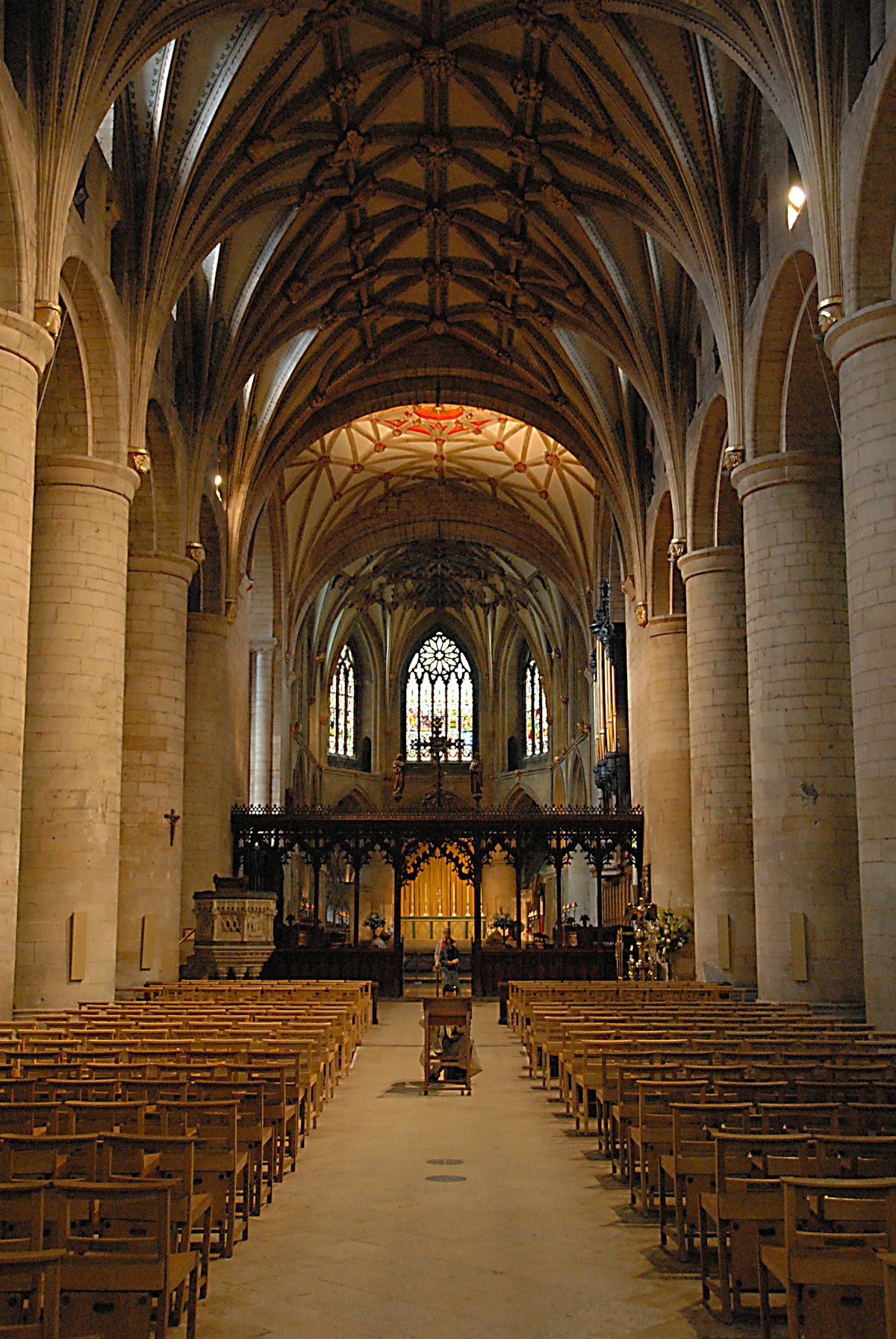
- Tewkesbury Abbey and the medieval town. The town grew around its great Norman abbey on a tight medieval street pattern of narrow burgage plots and "alleys". This historic grain produces closely packed buildings and small back-land plots where rear extensions and infill regularly raise overshadowing and loss-of-light questions between neighbours.
- Floodplain and the Severn Vale. Tewkesbury sits at the confluence of the Rivers Severn and Avon and is one of the most flood-prone towns in England; flood risk is a defining constraint addressed in Borough Plan Policy ENV2. Flood-resilient design often pushes finished floor levels and building heights upward, which in turn increases the potential for overshadowing of neighbours — making a careful daylight and sunlight assessment all the more important.
Because the assessment is a named validation requirement rather than a discretionary extra, applicants in Tewkesbury benefit from commissioning a clear BRE-compliant report early, before submission.
How Fortress Associates can help
Fortress Associates provides a focused our daylight and sunlight report service for projects in Tewkesbury and across the country. We prepare assessments to BRE BR 209 (2022) and BS EN 17037, formatted to satisfy the council's validation list and to support your case under the JCS and the Tewkesbury Borough Plan. We work UK-wide with a 4–5 working day turnaround and ask for no advance payment. We also produce Building Regulations drawings when a scheme needs them. To discuss your site, get in touch. You may also find our guide to daylight requirements in Gloucester useful, as the two areas share the same Joint Core Strategy.
Sources & further reading
- Tewkesbury Borough Council — Adopted development plans (JCS 2017 and Borough Plan 2022)
- Tewkesbury Borough Council — Validation checklists for planning applications
- BRE — Site layout planning for daylight and sunlight (BR 209)
- National Planning Policy Framework (NPPF)
- Fortress Associates daylight and sunlight reports
Need help with a UK planning project?
Fixed-fee daylight reports and Building Regulations drawings — delivered in 4–5 working days. No advance payment.
Request a free quote