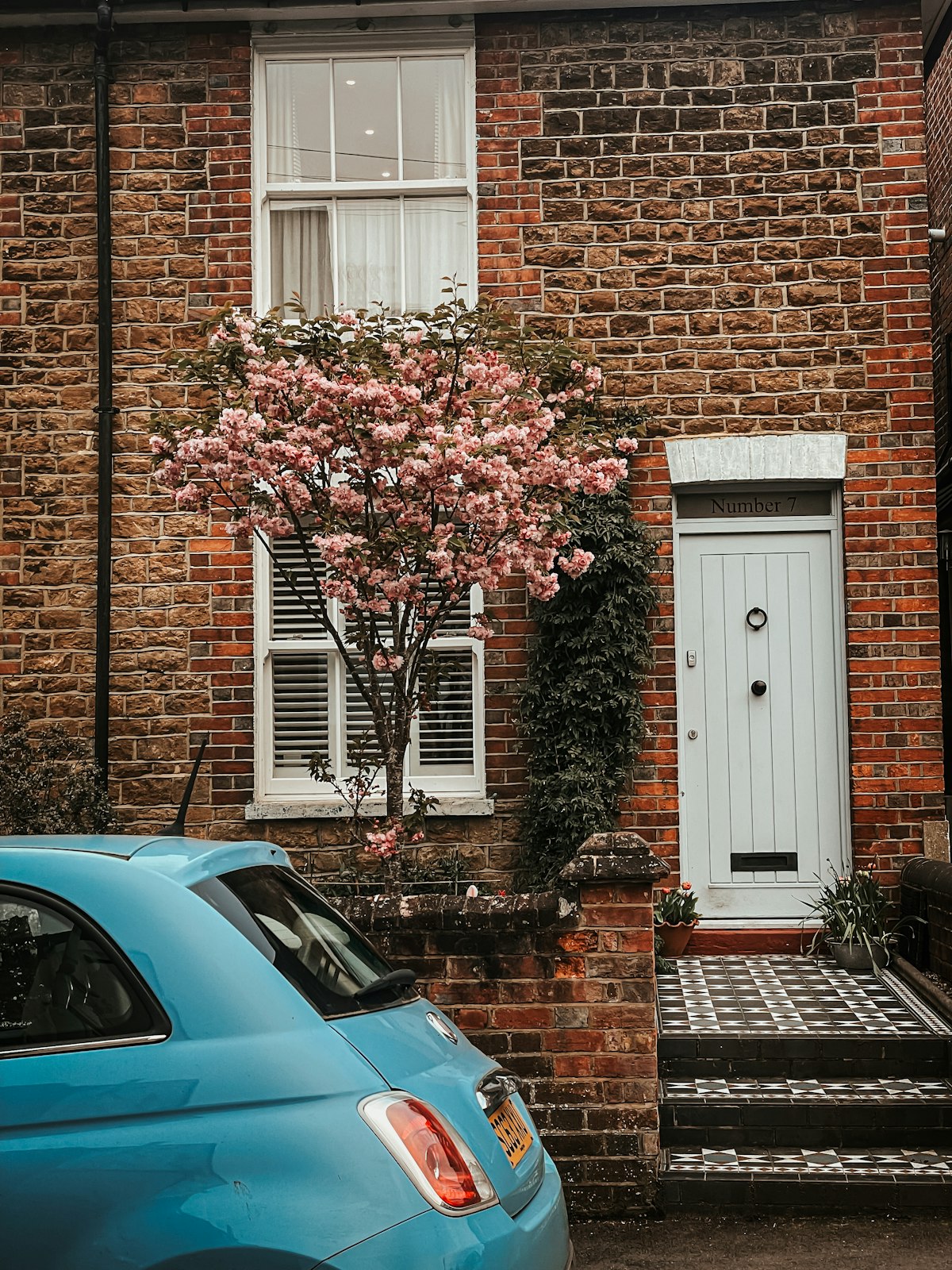
From the Georgian streets of Farnham to the riverside town of Godalming, the hills above Haslemere and the village setting of Cranleigh, Waverley is one of Surrey's most attractive and sensitive boroughs to build in. Mature trees, generous plots, conservation areas and the Surrey Hills all mean that the daylight requirements in Waverley are carefully weighed whenever a residential extension or new home is proposed. Waverley Borough Council — the local planning authority for the area, not Surrey County Council — treats daylight, sunlight and overshadowing as part of the wider duty to safeguard residential amenity.
This guide explains the adopted Local Plan that applies, the specific policies that deal with light and amenity, the technical standards used to judge a scheme, and how a well-prepared daylight and sunlight report can keep your application moving.
The Local Plan framework in Waverley
Waverley's development plan is in two parts, read together:
- Local Plan Part 1: Strategic Policies and Sites (adopted February 2018), which sets the spatial strategy, the housing requirement and the strategic site allocations.
- Local Plan Part 2: Site Allocations and Development Management Policies (adopted March 2023), which contains the detailed policies used to assess the design and impact of individual proposals.
Two Part 2 policies are central to daylight and sunlight:
- Policy DM4 (Quality Places through Design) requires development to be well designed and to respond to the character and context of its surroundings, which includes the orientation and massing decisions that determine how much light a scheme retains for its neighbours and provides for its own occupiers.
- Policy DM5 (Safeguarding Amenity) protects the amenity of existing and future occupiers. The amenity factors the council assesses expressly include loss of light, overlooking, and overbearing or overdominant development that creates a sense of enclosure.
In practice, Policy DM5 is the policy most often cited when a neighbour objects on grounds of lost light, and it is the benchmark against which a Waverley daylight and sunlight assessment is judged. The plan's supporting text recognises that natural light is an important element of a good living environment — daylight reduces the need for electric lighting, while sunlight contributes to passive solar heating — and that extensions can affect the outlook and light reaching a neighbour's habitable rooms.
Daylight requirements in Waverley: the technical position
Waverley operates a local validation checklist that sets out the information required to register a planning application, and the council can require a daylight and sunlight assessment where a proposal could materially affect light to neighbouring properties. The checklist does not publish its own set of numerical thresholds; instead, daylight and sunlight in Waverley is assessed against the nationally recognised methodology in the Building Research Establishment guide, BRE BR 209 (2022) — Site Layout Planning for Daylight and Sunlight: A Guide to Good Practice — read alongside the British Standard BS EN 17037 on daylight in buildings. These standards are applied through the design and amenity policies of the adopted Local Plan and the broader expectations of the National Planning Policy Framework (NPPF), which asks for development that secures a high standard of amenity for existing and future users.
Because Waverley does not impose bespoke local daylight metrics, the BRE tests effectively set the bar:
- Vertical Sky Component (VSC): the daylight reaching a neighbour's windows; a retained value of 27% or more, or no worse than 0.8 times the previous figure, is generally considered acceptable.
- Daylight distribution (No Sky Line): how much of an affected room still receives direct sky light after development.
- Annual Probable Sunlight Hours (APSH): sunlight to windows facing within 90 degrees of due south, tested against annual and winter targets.
- Overshadowing of gardens and amenity space: the BRE recommends that amenity areas receive at least two hours of sunlight on 21 March over at least half their area.
For new dwellings, internal daylight is checked using average daylight factor and the targets in BS EN 17037, which matters for conversions and flatted schemes in the town centres of Farnham and Godalming.
Local factors that shape daylight in Waverley
Several characteristics of the borough make daylight and sunlight a recurring issue:
- The historic Georgian market town of Farnham, with its many listed buildings and conservation areas, where massing and outlook are tightly controlled.
- Godalming and its closely built historic core along the River Wey, where infill and extensions can quickly affect neighbouring light.
- Haslemere, set among wooded hills, and the village of Cranleigh, where leafy plots and mature trees influence both shading and outlook.
- The Surrey Hills National Landscape (AONB) and the Green Belt, where the protection of openness and visual amenity adds a further layer of scrutiny.
How Fortress Associates can help
Fortress Associates produces clear, defensible daylight and sunlight reports for sites across Waverley and the whole of the UK. Our assessments are prepared to BRE BR 209 (2022) and BS EN 17037, and are written to address the design and amenity policies of the adopted Local Plan. Find out more about our daylight and sunlight report service, or see our full range of services.
We work to a 4–5 working day turnaround and ask for no advance payment. If you have a project in Farnham, Godalming, Haslemere, Cranleigh or anywhere else in the borough, get in touch to discuss it. We also prepare Building Regulations drawings to support your scheme from planning through to construction.
Practical tips for Waverley applicants
- Consider how Policy DM5 (Safeguarding Amenity) applies to your design before you submit — loss of light and overbearing impact are common reasons for objection.
- Commission a BRE BR 209 (2022) assessment early, so massing can be refined while changes are still inexpensive.
- In conservation areas and near listed buildings in Farnham and Godalming, expect design quality under Policy DM4 to be examined closely alongside amenity.
- For sites within or close to the Surrey Hills National Landscape, allow for the additional weight given to openness and visual amenity.
For a neighbouring authority, see our guide to daylight requirements in Elmbridge.
Sources & further reading
Need help with a UK planning project?
Fixed-fee daylight reports and Building Regulations drawings — delivered in 4–5 working days. No advance payment.
Request a free quote