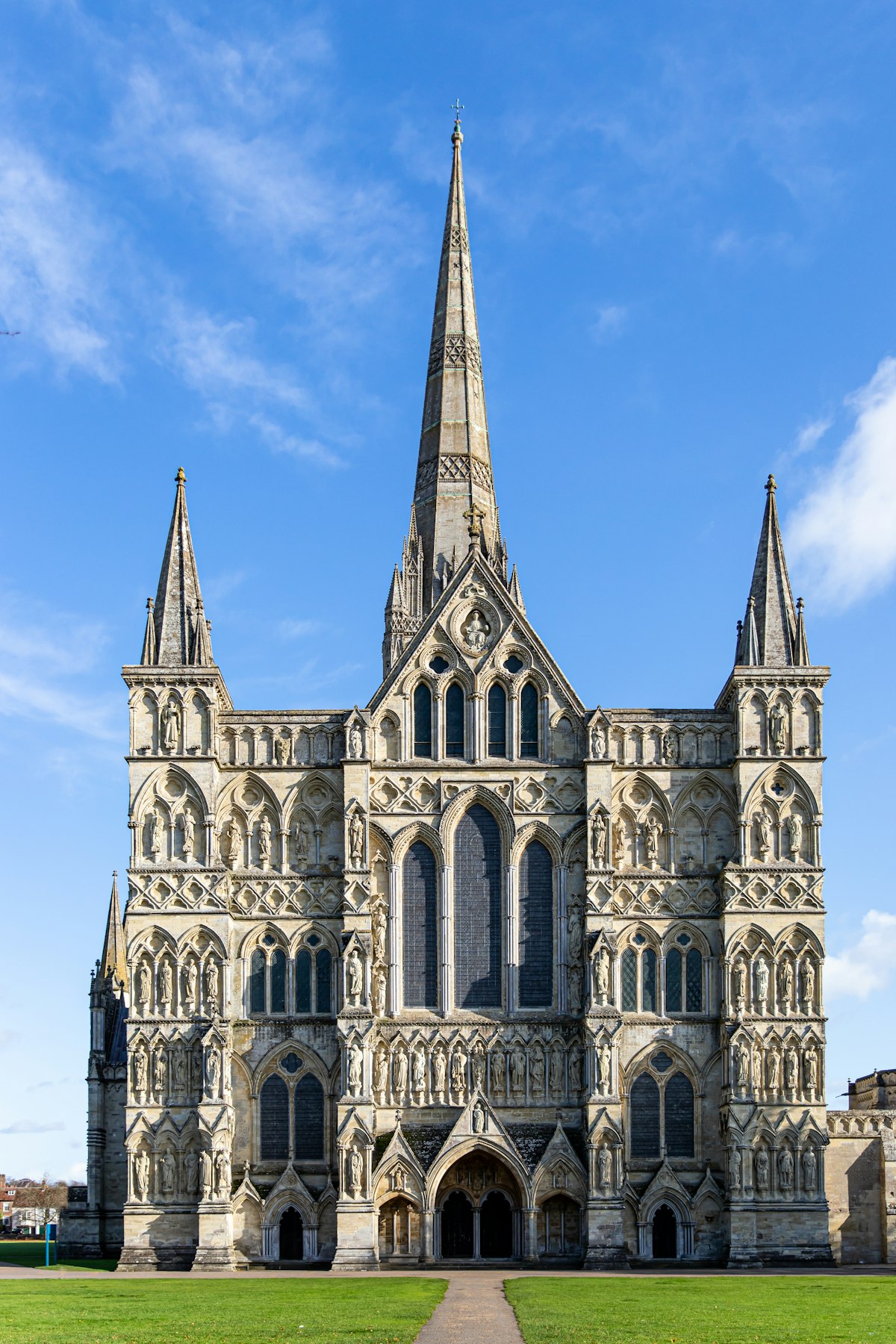
Daylight requirements in Wiltshire sit at the intersection of two pressures familiar to anyone developing in the county: the need to make efficient use of land, and the duty to protect the amenity and character of some of England's most cherished historic settings. Wiltshire is a large unitary authority covering Salisbury, Trowbridge, Chippenham, Devizes, Marlborough and a network of market towns and villages, alongside the Stonehenge and Avebury World Heritage Site and the cathedral city of Salisbury. Understanding how the council assesses the impact of new building on daylight and sunlight is essential before any extension, infill or housing scheme goes forward.
The development plan for Wiltshire
Wiltshire Council determines planning applications against an adopted development plan led by the Wiltshire Core Strategy, which was adopted on 20 January 2015. The Core Strategy provides the overarching planning framework for the whole county (the area is a single unitary authority, so there is no separate district tier). It is supported by saved policies and a suite of neighbourhood plans prepared by towns and parishes across Wiltshire.
The county is also progressing an emerging Wiltshire Local Plan. The council submitted the new Local Plan for independent examination on 28 November 2024, with examination hearings continuing into late 2025 (Stage 2 hearings opened in November 2025 in Trowbridge). Until that plan is adopted, the 2015 Core Strategy remains the primary local policy basis for assessing daylight and sunlight impacts, and applicants should track the emerging plan's progress as it can carry growing weight as a material consideration.
What the Core Strategy says about amenity and light
The two policies most relevant to daylight and sunlight in Wiltshire are:
- Core Policy 57 – Ensuring High Quality Design and Place Shaping. This is the principal design policy. Among its criteria, it requires development to protect the amenity of existing and future occupiers and of neighbouring properties — including matters such as privacy, overlooking, outlook and the avoidance of unacceptable overshadowing or loss of light. It does not prescribe a numerical daylight figure; instead it sets a qualitative standard that is judged case by case.
- Core Policy 58 – Ensuring the Conservation of the Historic Environment. This policy protects Wiltshire's designated and non-designated heritage assets and their settings — a consideration that bites particularly hard in the Salisbury Cathedral Close, in conservation areas, and within the setting of the Stonehenge and Avebury World Heritage Site.
Because Core Policy 57 expresses amenity in qualitative terms rather than fixed numbers, planning officers rely on recognised national technical guidance to decide whether a daylight or sunlight impact is acceptable.
How daylight requirements in Wiltshire are assessed in practice
Where amenity and light are at issue, the established methodology — in Wiltshire as across England — is the Building Research Establishment guidance, read together with the relevant British Standard and national policy:
- BRE BR 209 (2022), Site Layout Planning for Daylight and Sunlight: A Guide to Good Practice. This sets the recognised tests — the Vertical Sky Component (VSC) and the 0.8 retained-ratio rule for daylight to neighbouring windows, the Annual Probable Sunlight Hours (APSH) test for sunlight, and the 45-degree and 25-degree guidelines for assessing the impact of a new building or extension.
- BS EN 17037, the British and European standard Daylight in Buildings, used to demonstrate adequate internal daylight within proposed habitable rooms.
- The National Planning Policy Framework (NPPF), which requires planning to secure a high standard of amenity for existing and future occupiers while making efficient and effective use of land — the balance that BRE guidance helps to strike.
Wiltshire Council publishes validation checklists for each application type (including separate householder and full planning checklists). Where a proposal has the potential to affect the daylight, sunlight or overshadowing enjoyed by neighbouring occupiers or by future occupiers of the development itself, a supporting daylight and sunlight assessment based on BR 209 can be required for the application to be validated. Local validation requirements must be reasonable and proportionate to the scale of the proposal, so a small single-storey rear extension is unlikely to need one, whereas a tall or closely sited scheme often will.
Heritage and density: the Wiltshire complication
Two features make Wiltshire distinctive when it comes to light and amenity:
- Historic settings. Salisbury's medieval street pattern and the Cathedral Close, the stone-built terraces of Bradford-on-Avon and the conservation areas of Marlborough and Devizes all combine tight plots with strict heritage protection under Core Policy 58. Schemes here must satisfy both the amenity tests of BR 209 and the conservation tests — a brick-for-brick extension can still be refused if it overshadows a neighbour or harms a listed setting.
- The Stonehenge and Avebury World Heritage Site. Development affecting the WHS or its setting attracts the highest level of scrutiny. While that scrutiny is primarily about heritage and landscape rather than daylight, the same projects often raise amenity and light questions for nearby dwellings that a BRE assessment can resolve objectively.
Common situations where a daylight and sunlight report helps
- Two-storey and rear extensions in the older terraced streets of Salisbury, Trowbridge or Chippenham, where the 45-degree guideline is easily engaged;
- Backland and infill plots in market towns, where a new dwelling must be tested against neighbouring windows and gardens;
- Apartment and conversion schemes, where internal daylight to habitable rooms must be demonstrated against BS EN 17037;
- Resolving objections, where a neighbour or case officer has raised loss of light and an objective BRE report can settle the matter.
How Fortress Associates can help
Fortress Associates prepares daylight and sunlight reports to BRE BR 209 (2022), BS EN 17037 and the NPPF, written to support applications determined under the Wiltshire Core Strategy and the emerging Wiltshire Local Plan. Learn more about our daylight and sunlight report service, or see the full range of work on our services page. We work nationwide with a 4–5 working day turnaround and no advance payment required. To discuss your Wiltshire site, please contact us.
Developing elsewhere in the country? Our guide to daylight requirements in York covers another heritage-led authority for comparison.
Sources & further reading
Need help with a UK planning project?
Fixed-fee daylight reports and Building Regulations drawings — delivered in 4–5 working days. No advance payment.
Request a free quote