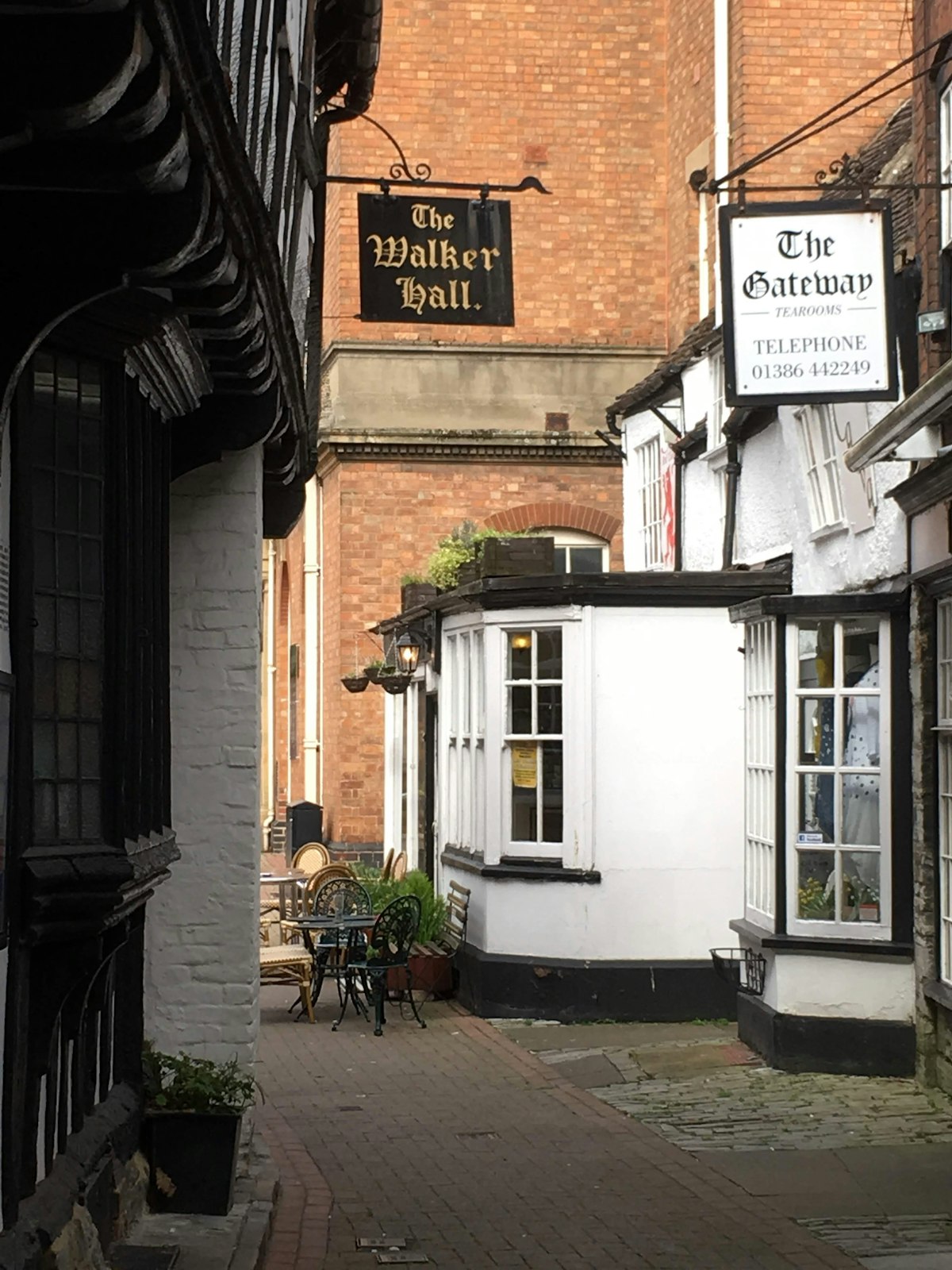
Understanding daylight requirements in Wychavon is an important step for anyone planning an extension, an infill dwelling or a larger residential scheme across the district. Wychavon District Council is the local planning authority for a large rural area of eastern Worcestershire, taking in the market towns of Evesham, Droitwich Spa and Pershore as well as the surrounding villages and the productive farmland of the Vale of Evesham. As in any planning authority, the amount of natural light reaching both new and neighbouring homes is a material consideration, and getting it right early can make the difference between a smooth determination and a refusal.
This guide explains how daylight and sunlight are assessed in Wychavon, which adopted planning policies apply, and how a professional daylight and sunlight report prepared to the recognised national methodology can support your application.
The planning framework in Wychavon
Wychavon does not have a standalone local plan of its own. Instead, the district forms part of the South Worcestershire Development Plan (SWDP), which was adopted in February 2016 and is prepared jointly by Wychavon District Council, Worcester City Council and Malvern Hills District Council. The SWDP is the statutory development plan against which planning applications in the district are determined, alongside the National Planning Policy Framework (NPPF) and any made neighbourhood plans, of which Wychavon has a notably high number.
The plan is supported by the South Worcestershire Design Guide Supplementary Planning Document (SPD), adopted on 5 March 2018, which explains in more detail how the design policies of the SWDP should be interpreted in practice.
Key policies relevant to daylight and sunlight
- SWDP 21 (Design) is the principal policy for amenity. It requires that development provides an adequate level of privacy, outlook, sunlight and daylight, and that it should not be unduly overbearing on neighbouring properties. This is the policy most often cited where a proposal could overshadow a neighbour's garden, reduce light to existing windows, or create an oppressive sense of enclosure.
- SWDP 25 (Landscape Character) and the wider environmental policies are relevant on more open and rural sites, where the relationship between built form, gardens and the surrounding landscape affects both amenity and the way light is experienced.
Read together with the Design Guide SPD, these policies establish that good daylight and sunlight is treated as a core component of acceptable residential amenity in Wychavon, both for occupiers of a proposed development and for the neighbours around it.
How daylight and sunlight is actually assessed
The SWDP sets the policy expectation of adequate daylight, sunlight and outlook, but like most English local planning authorities it does not contain its own numerical daylight standards. Instead, the established way to demonstrate that a scheme meets the amenity requirements of SWDP 21 is to apply the nationally recognised technical methodology.
That methodology is set out in the Building Research Establishment guidance BRE BR 209 (2022), "Site layout planning for daylight and sunlight: a guide to good practice", supported by the daylight standard BS EN 17037. These documents are not Wychavon policy, but they are the benchmarks that planning officers, consultants and the Planning Inspectorate routinely use to judge whether a proposal provides acceptable light. A report prepared to BR 209 therefore gives the council an objective basis on which to assess compliance with SWDP 21.
In practice, a BRE assessment typically considers:
- Vertical Sky Component (VSC) and the no-sky line / daylight distribution for existing neighbouring windows, to test whether a proposal would materially reduce the daylight they currently enjoy.
- Annual Probable Sunlight Hours (APSH) for windows facing within 90 degrees of due south, which is particularly relevant in the open, south-facing sites common around the Vale of Evesham.
- Overshadowing of gardens and amenity areas, often expressed as the proportion of an amenity space receiving sunlight on 21 March.
- Daylight and sunlight to the proposed dwellings themselves, to confirm that the new homes will be pleasant to live in.
Local factors that affect daylight in Wychavon
Wychavon is a varied district, and the daylight issues that arise reflect that variety:
- Historic town centres and conservation areas. Evesham, Pershore and Droitwich Spa all have conservation areas with tightly grouped, historic buildings. Tighter plot widths and existing buildings close to boundaries mean that even modest extensions can affect a neighbour's light, so careful assessment is often needed.
- Riverside and floodplain settings. Evesham and Pershore sit on the River Avon, and Droitwich on the Salwarpe. Riverside and low-lying sites can place a premium on protecting outlook and light to the more open elevations.
- Rural villages and infill plots. Much of Wychavon's housing growth comes through infill and small sites in villages. Inserting a new dwelling between existing homes is a classic situation where daylight, sunlight and overbearing impact must all be demonstrated to satisfy SWDP 21.
- Open horticultural land. The Vale of Evesham's market-gardening heritage means many sites are large and open with strong south-facing aspects, where sunlight to gardens and the orientation of new homes is a real design opportunity.
When you are likely to need a daylight and sunlight report
A daylight and sunlight assessment is most often requested or advisable where:
- A two-storey or rear extension sits close to a shared boundary and could affect a neighbour's windows or garden.
- An infill or backland dwelling is proposed between or behind existing homes.
- A larger residential scheme needs to demonstrate good internal amenity for future occupiers.
- A neighbour has objected on the grounds of loss of light, or a planning officer has raised amenity concerns.
Commissioning an assessment early, before the design is fixed, usually gives the best outcome: it allows the massing, window positions and boundary distances to be adjusted while change is still easy.
How Fortress Associates can help
Fortress Associates provides clear, robust our daylight and sunlight report service prepared to BRE BR 209 (2022) and BS EN 17037, written to support compliance with SWDP 21 and the wider South Worcestershire Development Plan. We work nationwide, including throughout Wychavon, with a typical turnaround of 4 to 5 working days and no advance payment required. We also prepare Building Regulations drawings where a scheme needs them. To discuss your site in Evesham, Droitwich Spa, Pershore or anywhere in the district, please get in touch.
Sources & further reading
- Wychavon District Council – Planning
- BRE BR 209 (2022) – Site layout planning for daylight and sunlight
- National Planning Policy Framework (NPPF)
- Contact Fortress Associates
- Related reading: Daylight Requirements in Malvern Hills, which shares the South Worcestershire Development Plan with Wychavon.
Need help with a UK planning project?
Fixed-fee daylight reports and Building Regulations drawings — delivered in 4–5 working days. No advance payment.
Request a free quote